
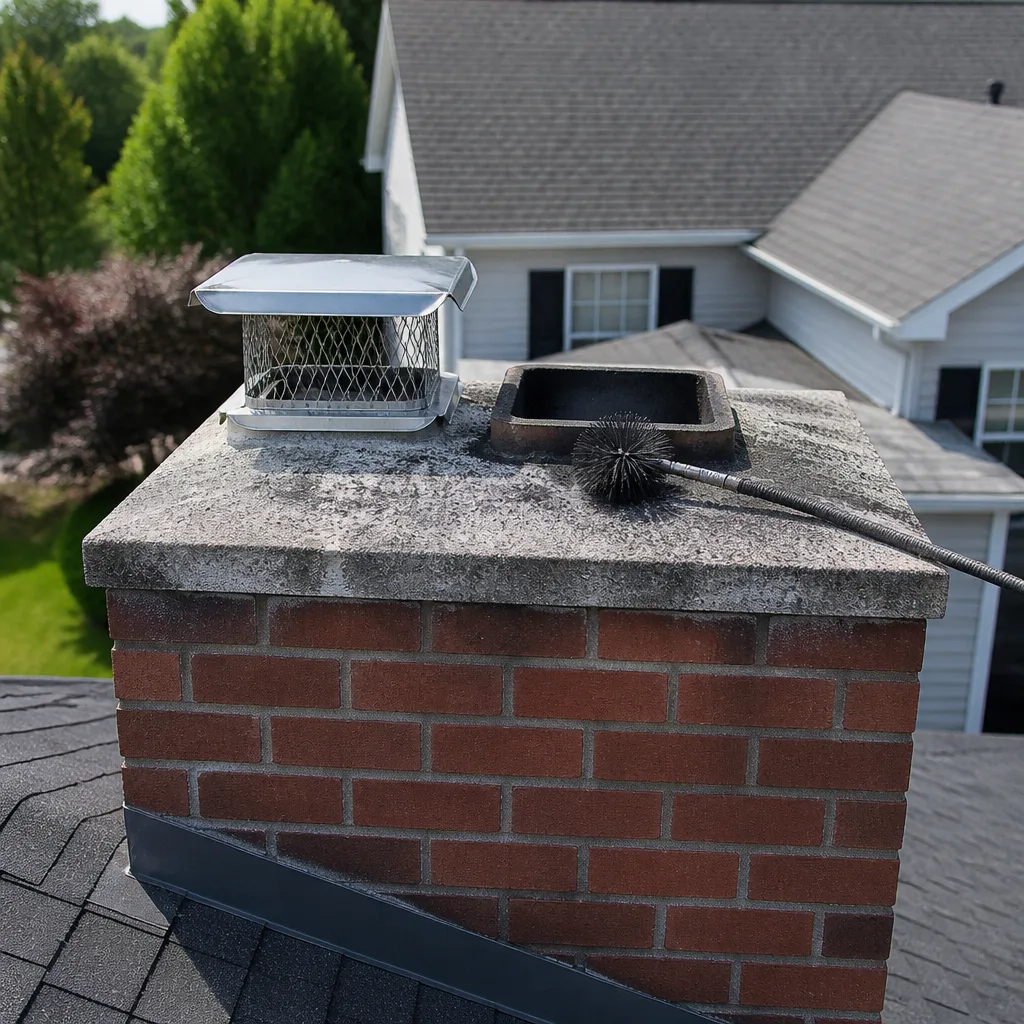
 Sweep & inspection
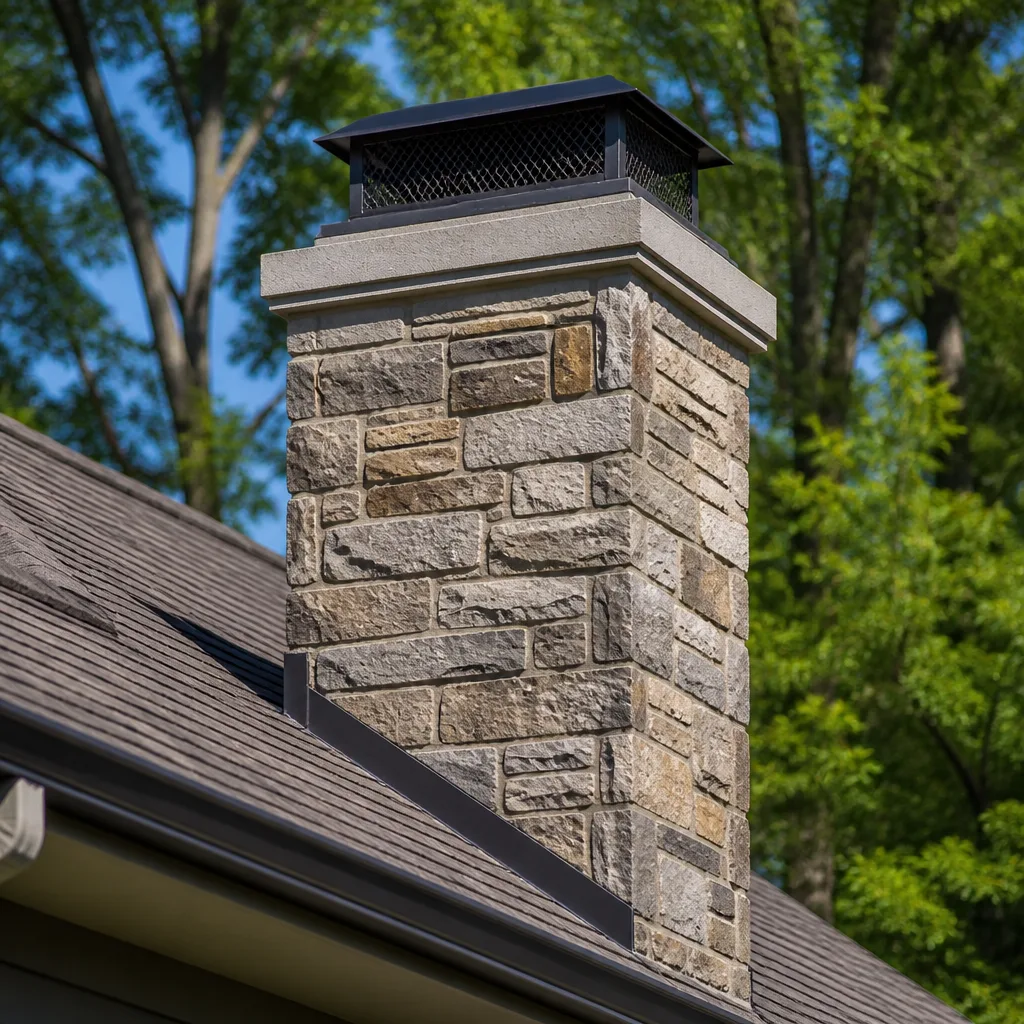 Caps & crowns
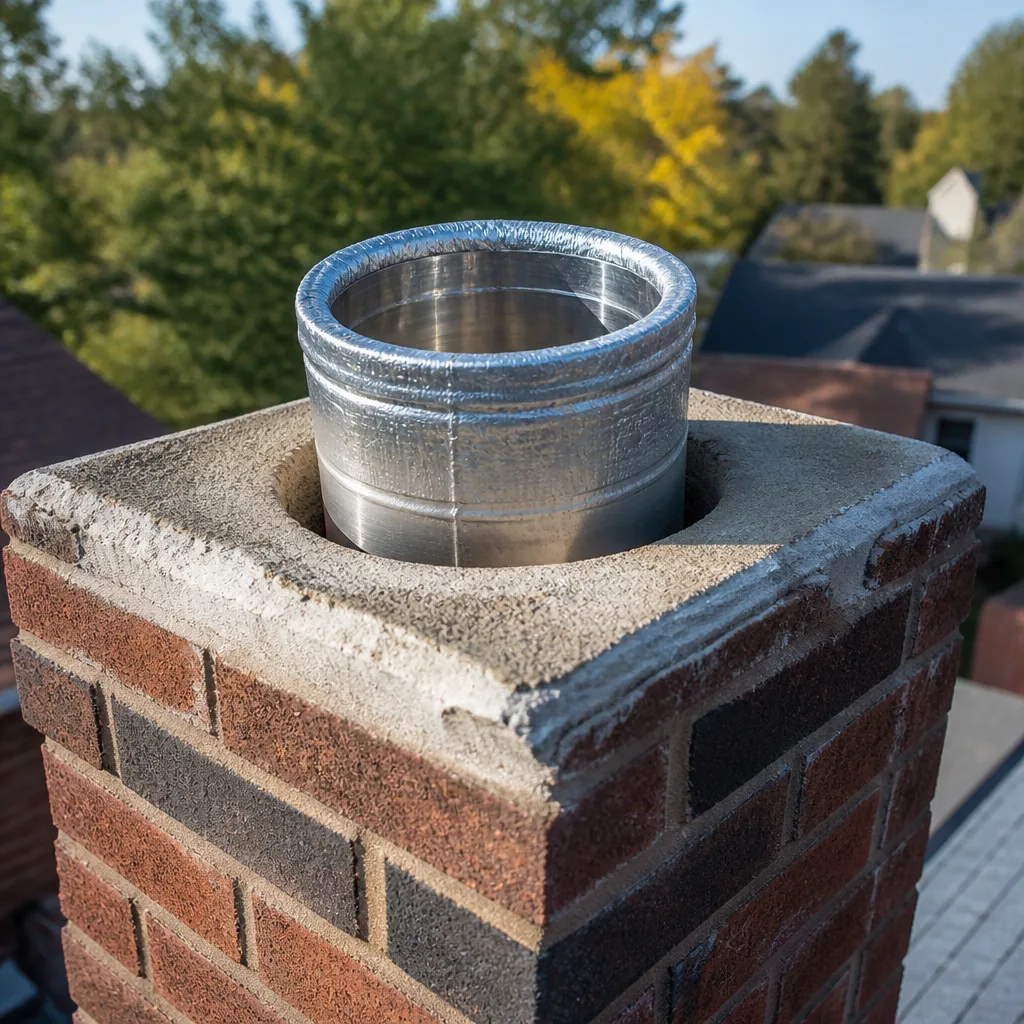 Flue relining
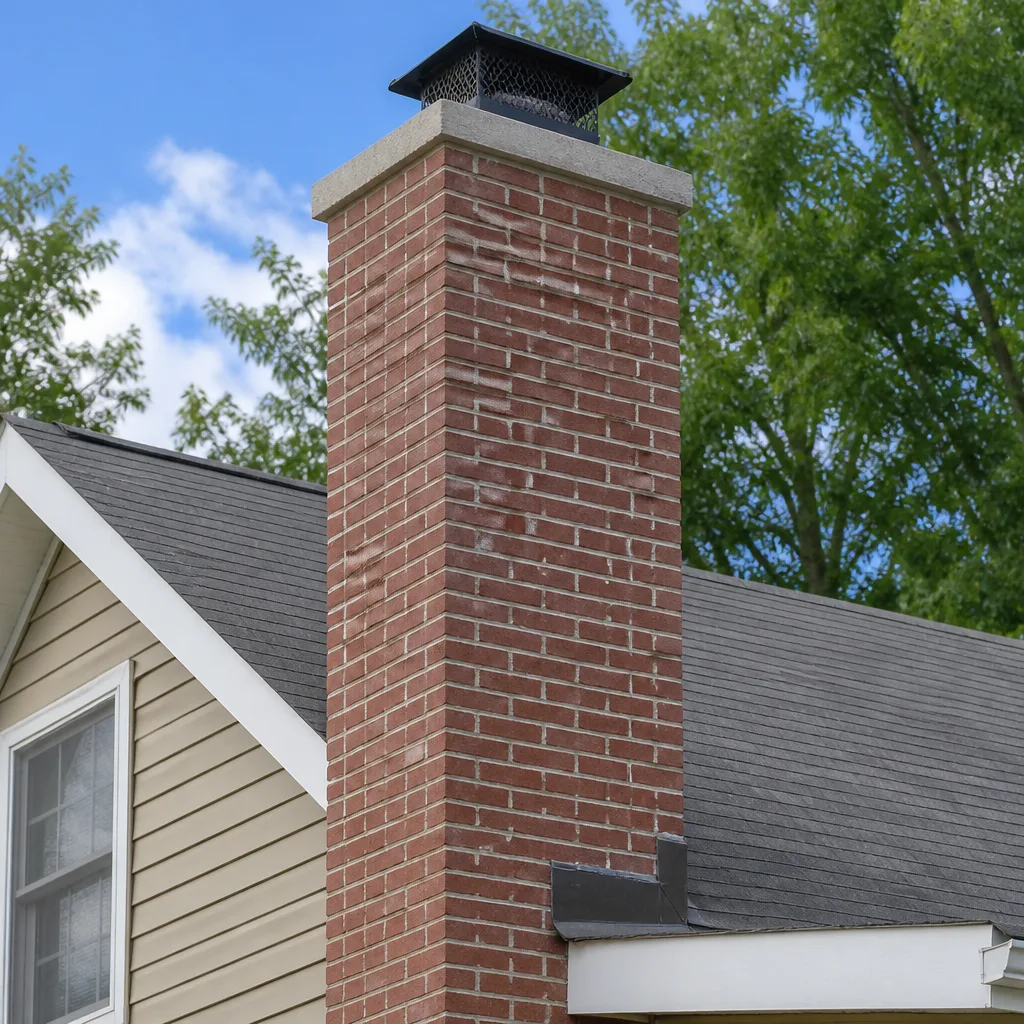 Masonry repair
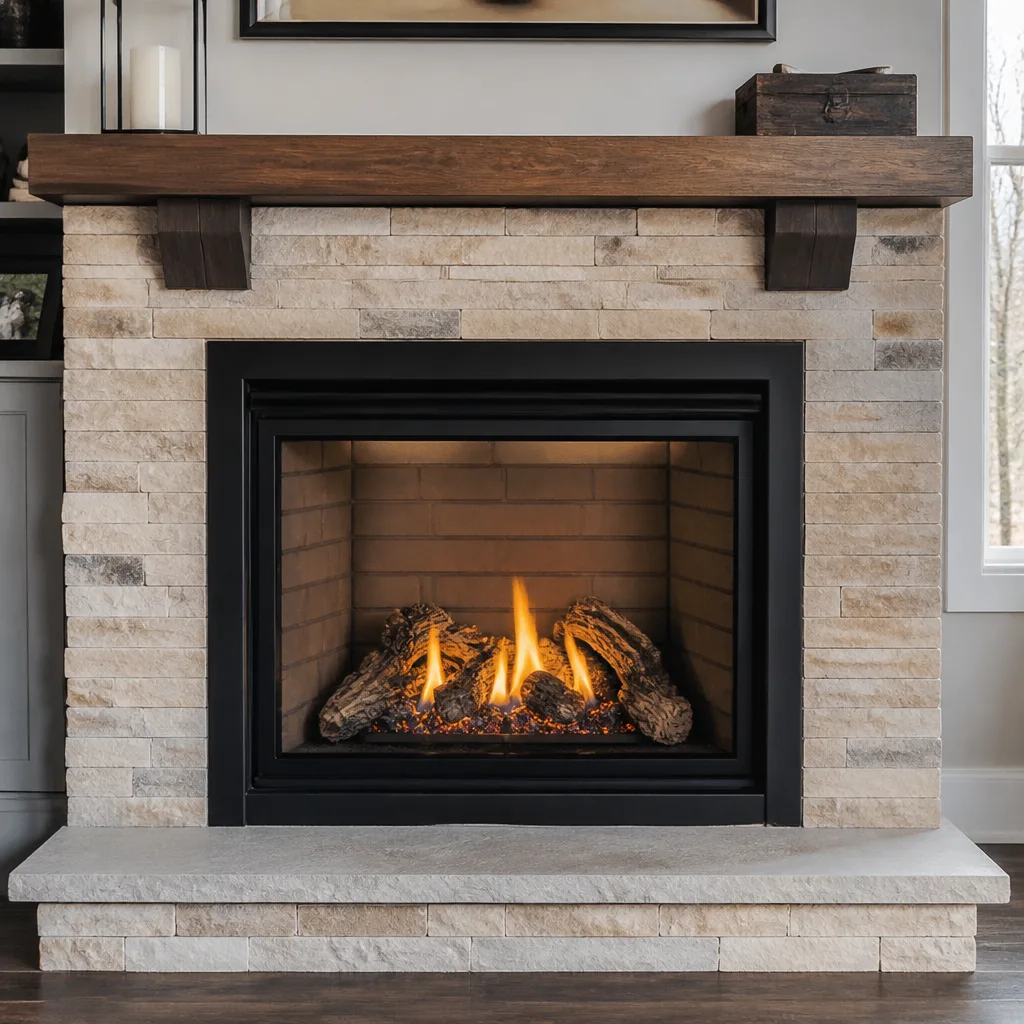 Gas fireplace service
Level 1 sweep and inspection to the NFPA 211 annual standard - flue, crown, cap, and flashing checked and photographed
Chimney sweep logs do not sweep chimneys. They loosen some creosote - which then falls where a brush and vacuum still have to collect it.
Styles & brands we work with
- Sweep & inspection
- Caps & crowns
- Flue relining
- Masonry repair
- Gas fireplace service
See the difference
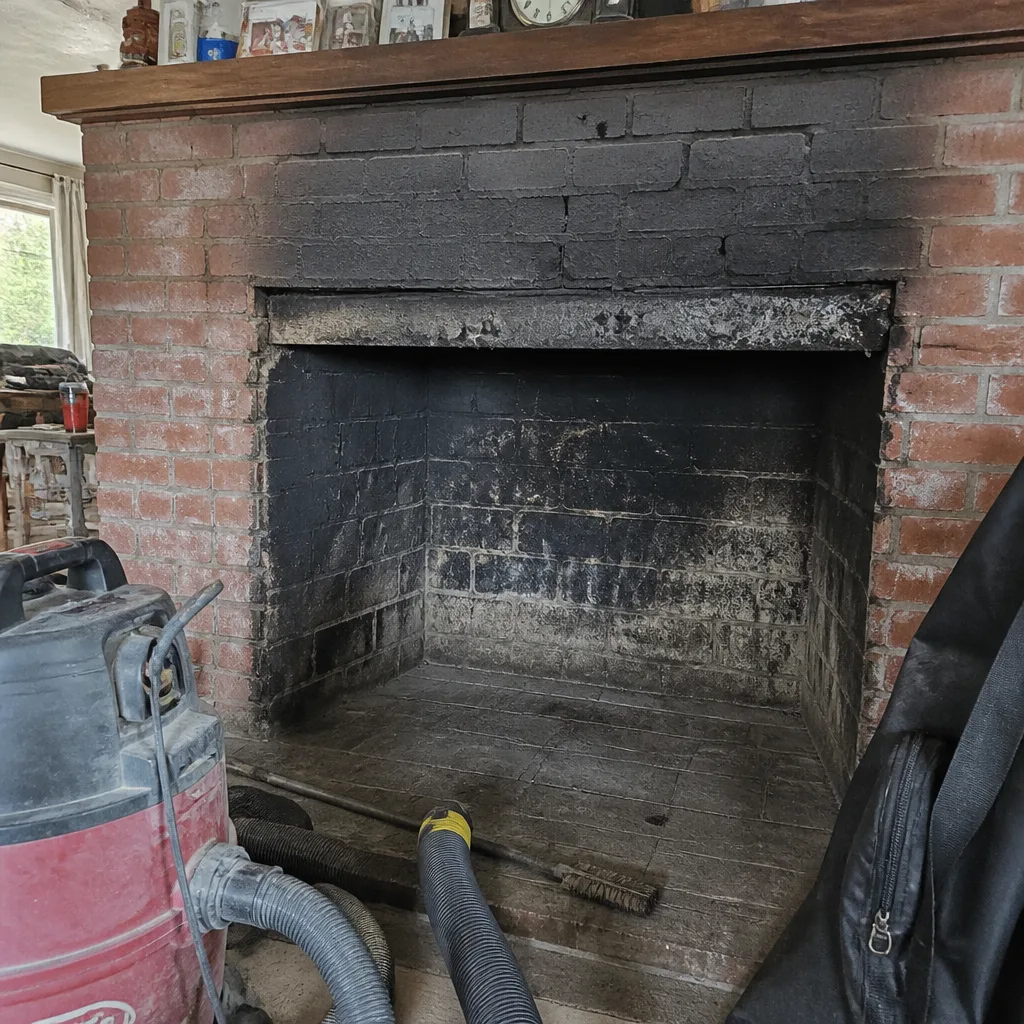 Before
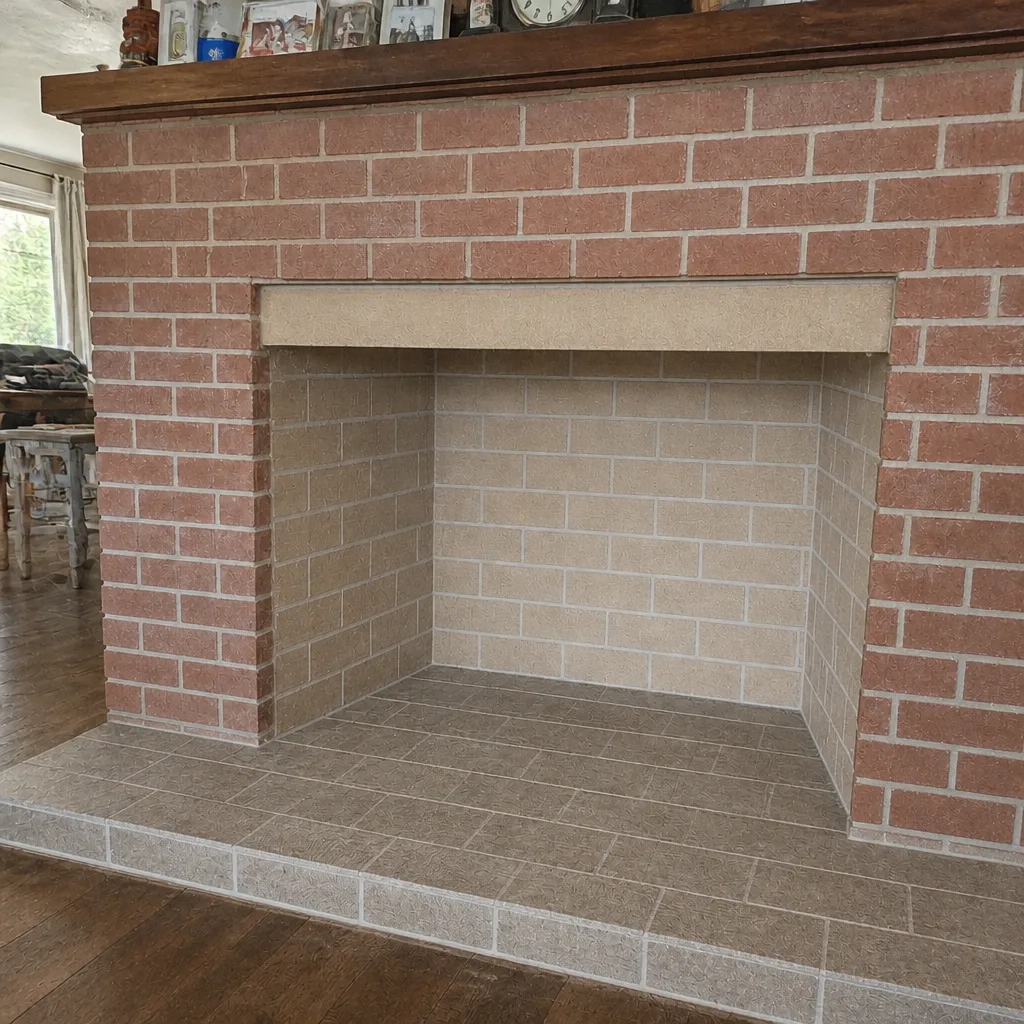 After
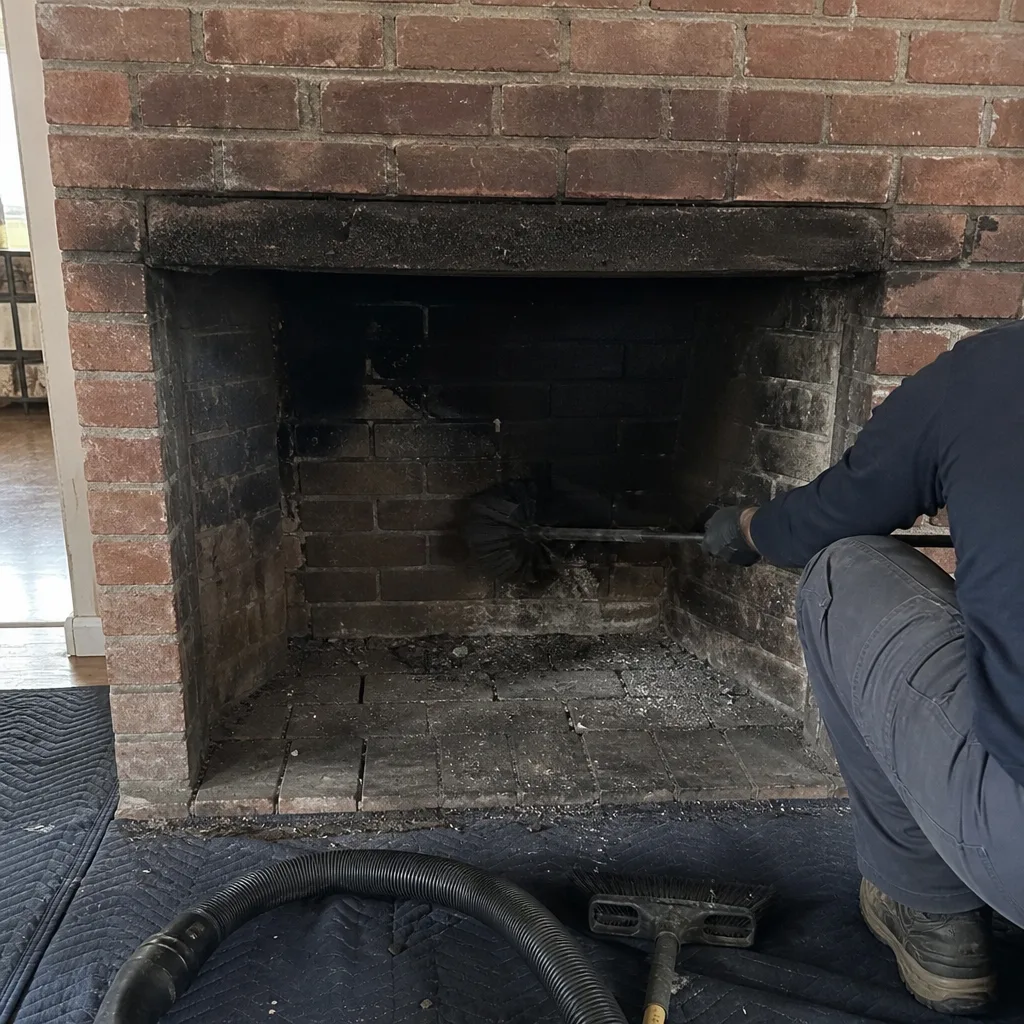 Before
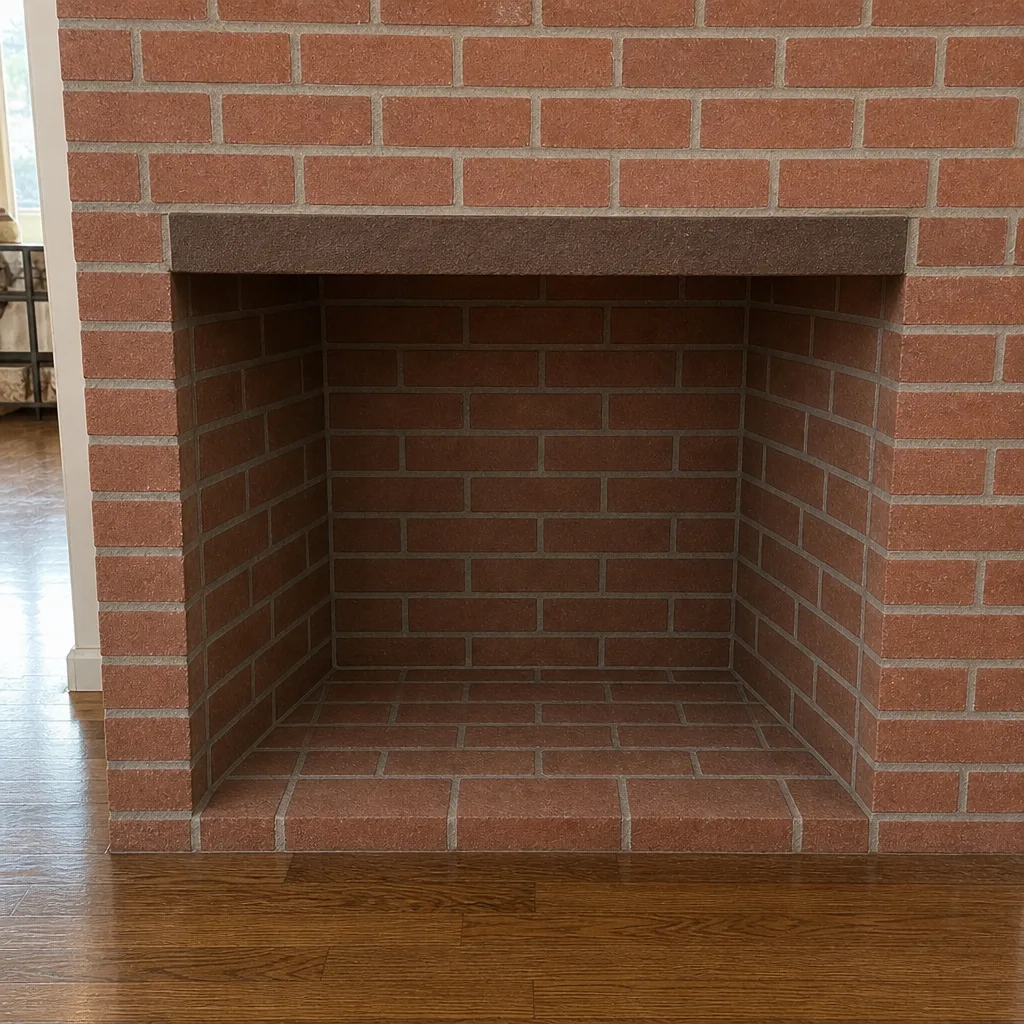 After
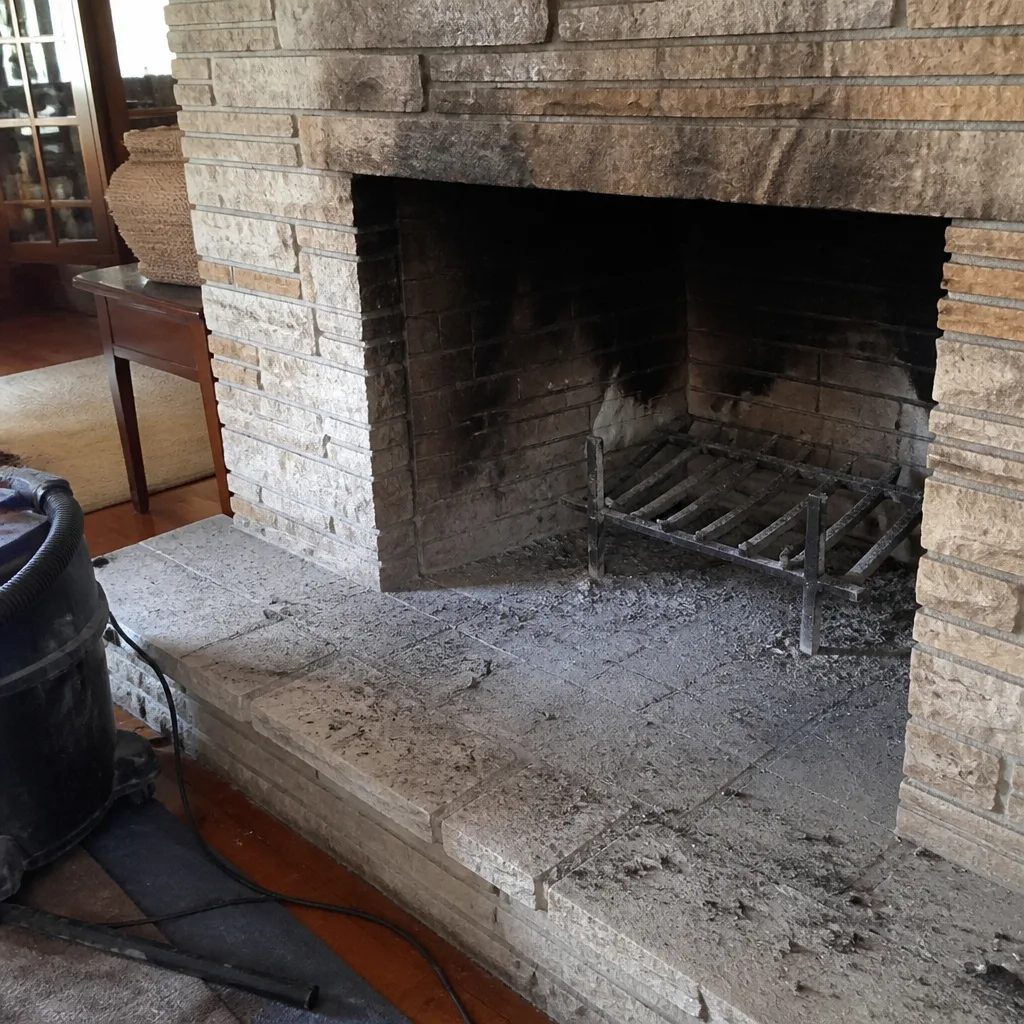 Before
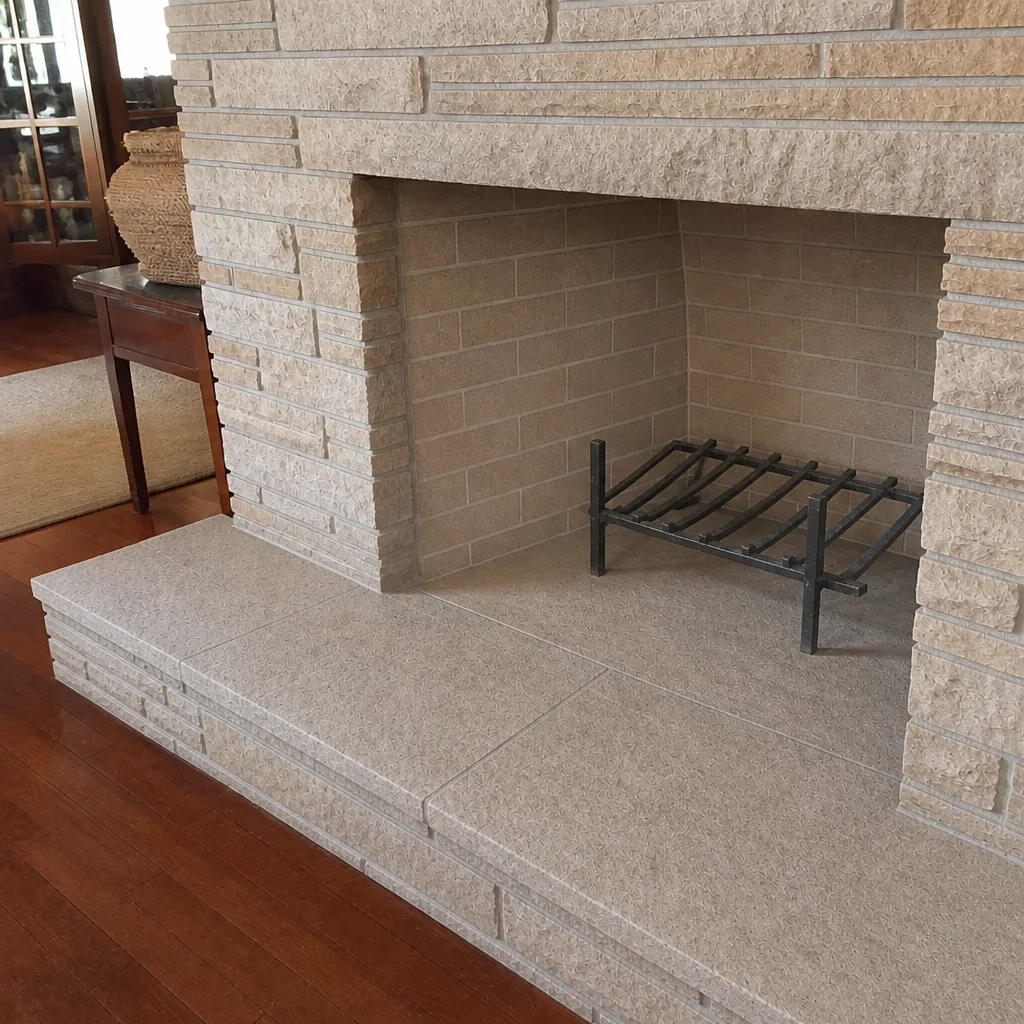 After
How Much Does Chimney Cleaning Cost in Centennial?
Chimney cleaning in Centennial typically costs $180 to $340 for a standard sweep of a wood-burning fireplace, and $220 to $420 when the flue is heavily creosote-loaded or the appliance is a wood stove or insert. Most single-flue homes in Centennial land near $240 once the sweep and a basic visual inspection are combined. The written estimate you get before any work begins sets the final price, and that estimate is free.
A sweep is the entry point, not the whole story. In a town where wood smoke and Front Range weather both work on a chimney, the sweep often reveals a cracked crown, a loose cap, or a flue that needs attention beyond brushing. You’ll want to know the cleaning price and the likely repair price range before anyone climbs up, so this guide breaks both out. Call (866) 431-6293 and we’ll answer 24/7 to set up a free estimate. Fast dispatch from 7am to 7pm, Sunday through Friday.
Chimney Cleaning Cost Breakdown (2026)
Here’s what chimney work actually runs in the Centennial market this year. Ranges reflect typical single-family homes with one flue; a second flue or a complex roofline pushes the numbers up.
| Service | Typical Price Range (Centennial, 2026) |
|---|---|
| Standard chimney sweep, wood-burning fireplace | $180 – $340 |
| Heavy creosote removal (Stage 2 or 3 buildup) | $320 – $560 |
| Wood stove or insert cleaning | $220 – $420 |
| Level 1 visual inspection (often bundled with a sweep) | $0 – $90 when added to a cleaning |
| Level 2 camera inspection | $180 – $350 |
| Chimney cap installation (Gelco or Famco) | $190 – $420 |
| Crown repair or rebuild | $340 – $1,100 |
| HeatShield ceramic flue resurfacing | $1,200 – $2,800 |
| DuraFlex liner installation | $2,400 – $5,200 |
Cleaning sits at the bottom of that table for a reason. It’s the least expensive part of chimney care, and it’s the job that tells you whether anything above it on the list is needed. What moves the cleaning number up: how much creosote has built up, how long it’s been since the last sweep, whether the flue is straight or offset, and whether the roof is steep or the chimney sits high. What moves it down: a home swept on a regular rhythm, a straight flue, and a chimney with a cap already in place that keeps water and animals out.
The repair ranges above only matter if the sweep or inspection finds a problem. We use the same materials chimney professionals specify by name – HeatShield, DuraFlex, Gelco, Famco, Olympia Chimney, Copperfield – not generic hardware-store alternatives, so when a repair is quoted, it’s quoted on trade-grade product.
Why cleaning and inspection aren’t the same line item
A chimney sweep is the first step. A chimney inspection tells you what the sweep can’t. The brush clears the flue; the inspection looks at the crown, the cap, the damper, the firebox, and the flue lining itself. If your last cleaning was years ago, or you’ve never had a Level 2 camera inspection done on the home, budgeting for one alongside the sweep is money well spent. It’s how a hidden crack or a gap in the liner gets caught before it becomes a repair in the thousands rather than the hundreds.
What Affects Chimney Cleaning Pricing in Centennial
Two chimneys of the same size can quote differently. Here’s what actually drives the number in Centennial.
- Creosote stage. Light, flaky Stage 1 buildup brushes out in a standard sweep. Glazed Stage 3 creosote is harder, slower, and takes dedicated removal tools, which is why the price jumps into the $320 to $560 range. Homes that burn green or unseasoned wood tend to hit the higher stages faster.
- How long since the last sweep. A chimney swept on a regular schedule is quicker to clean than one that’s gone several seasons. The years of accumulation translate directly into labor.
- Appliance type. A wood-burning fireplace is the simplest job. A wood stove or insert has a narrower flue path and more components to work around, so it prices higher. Gas and oil appliance flues are a different cleaning entirely and get quoted separately.
- Flue configuration. Straight flues clean fast. Offset flues, multiple flues in one stack, and chimneys with a tight smoke chamber all add time. So does a steep roof or a chimney that’s awkward to access safely.
- Time of year. Late summer and early fall are the busiest stretch for sweeps across the Front Range as homeowners prep for the burning season. Booking earlier in the year usually means more scheduling flexibility.
- What the sweep turns up. The biggest variable isn’t the cleaning at all – it’s whether the crown is cracked, the cap is missing, or the liner is failing. Those findings are where a $240 cleaning becomes a $240 cleaning plus a quoted repair, and the estimate spells out both before you commit to anything.
One local note worth knowing: Centennial sits in the Denver metro’s high plains, where swings between dry, windy stretches and wet spring snow put real stress on chimney crowns and caps. A crown that’s cracked lets water into the chimney structure, and repeated freeze-thaw cycles widen the damage. That’s why cap and crown work comes up so often here, and why we handle it in-house – installing Gelco and Famco caps and covers from dedicated chimney supply lines rather than generic hardware. Fixing the water intrusion at the top stops the problem at its source instead of cleaning up after it every season.
How to Save on Chimney Cleaning
There’s no trick to a lower cleaning bill. There’s just preventing the expensive version of the job.
- Burn seasoned wood. Dry, well-seasoned firewood produces far less creosote than green wood. Less buildup means a faster sweep and a lower chance of hitting the heavy-removal price tier.
- Keep a cap on the chimney. A cap keeps rain, snow, birds, and debris out of the flue. It’s one of the least expensive pieces of chimney hardware and one of the best defenses against a bigger bill later. If yours is missing or damaged, ask about Gelco and Famco caps during the same visit.
- Bundle the inspection with the sweep. A Level 1 inspection added to a cleaning costs far less than scheduling it as a standalone visit. Catch small issues while someone’s already on the roof.
- Book before the fall rush. Scheduling in spring or early summer gives you more flexibility and avoids the seasonal crunch.
- Get the free estimate in writing. The cleaning cost and any recommended repair should both be itemized before work starts. That’s how you compare quotes honestly and avoid surprise add-ons.
- Ask whether HeatShield applies. If the sweep finds a deteriorating flue, HeatShield ceramic resurfacing can restore it without a full tear-out – often far less than a full reline. Not every liner qualifies, but it’s worth asking before assuming the worst-case number. Most general sweeps can’t offer it at all.
When you’re ready to get a real number for your chimney, call (866) 431-6293 for a free estimate. We answer 24/7. Fast dispatch from 7am to 7pm, Sunday through Friday.
FAQs – Chimney Cleaning Cost
How much does chimney cleaning cost in Centennial?
Chimney cleaning in Centennial typically runs $180 to $340 for a standard wood-burning fireplace sweep. Heavy creosote removal pushes it to $320 to $560, and a wood stove or insert lands around $220 to $420. Call (866) 431-6293 for an exact quote – estimates are free.
How often should a Centennial chimney be cleaned?
Most wood-burning chimneys need a sweep once a year, and more often if you burn heavily through the winter. The practical rule is to have it inspected annually and cleaned whenever buildup reaches roughly an eighth of an inch. Centennial’s long burning season and dry, windy conditions make an annual check the sensible baseline. Call (866) 431-6293 to schedule a free estimate.
Is it cheaper to repair or replace a chimney liner?
Repair is almost always cheaper when the liner qualifies. HeatShield ceramic resurfacing typically runs $1,200 to $2,800, while a full DuraFlex liner installation runs $2,400 to $5,200. If the flue is sound enough for resurfacing, that’s the lower-cost path. Call (866) 431-6293 and we’ll tell you which one your chimney actually needs – the estimate is free.
Does a chimney cleaning include an inspection?
A basic Level 1 visual inspection is often bundled with a sweep at little or no added cost, while a Level 2 camera inspection runs $180 to $350. The camera inspection is what catches hidden liner cracks a visual check can’t see. Call (866) 431-6293 to ask what’s included in your estimate.
Can you come today?
Same-day service is often possible depending on the schedule, and a call outside dispatch hours is booked into the next opening, Sunday through Friday, 7am to 7pm. We answer 24/7, so call (866) 431-6293 and we’ll find you the soonest slot.
Why does creosote buildup cost more to remove?
Glazed Stage 3 creosote is dense and bonded to the flue wall, so it takes dedicated removal tools and more time – which is why heavy removal prices at $320 to $560 versus a standard $180 to $340 sweep. It’s also the stage that carries the most fire risk, so it shouldn’t wait. Call (866) 431-6293 for a free estimate.
Is chimney cleaning a job for a general handyman?
A dedicated chimney specialist is the right call, not a generalist adding it as a side service. Cleaning, inspection, cap and crown work, and liner repair all connect, and having one specialist handle the full scope means no handoff to a second contractor. Our technicians have up to 13 years of experience, and the local pro is licensed and insured as their state requires. Call (866) 431-6293 for a free estimate.
What are the signs a chimney needs cleaning before the yearly visit?
Call sooner if you smell a strong smoky odor in the house, see soot falling into the firebox, notice dark staining around the chimney top, or spot creosote flaking inside the flue. Any of those point to buildup that’s moved past the routine stage. Call (866) 431-6293 to book a free estimate.
Getting an Accurate Number for Your Chimney
Pricing a chimney cleaning from a web page only gets you so far. The real number depends on your flue, your buildup, and what’s happening at the top of the stack. The best way to know is to have someone look. One call covers it: inspection, cleaning, repair, and cap work – no second contractor needed. We work only with professional chimney trade brands, and we quote repairs on trade-grade product, not hardware-store substitutes.
If you’re in Centennial and want a straight answer on what your chimney needs and what it’ll cost, call our chimney sweep team for a free estimate. You can also read more about chimney inspections, chimney repair, fireplace repair, and chimney cap and crown installation to understand the full scope of what we handle. Homeowners nearby in Littleton, Aurora, Parker, Highlands Ranch, Lone Tree, Greenwood Village, Denver, and Castle Rock can book the same services. For a chimney that needs relining, learn about chimney relining and HeatShield flue resurfacing.
Call (866) 431-6293. We answer 24/7. Fast dispatch from 7am to 7pm, Sunday through Friday. Caps, crowns, and liners done right the first time – with materials built for the trade.
Written by the team at Chimney Sweep Englewood.
Pricing reflects the Centennial market as of 2026. Chimney Sweep Englewood offers free estimates – call (866) 431-6293.
What Our Customers Say
"Crown was cracked and taking water. Repaired it rather than quoting a rebuild, which the previous company had pushed hard for."
- Andres Morales"Cap keeps the birds out now, which after two springs of scratching noises is worth every penny."
- Brian Lawson"Creosote buildup was worse than I realized. He measured it, showed me the glazing on the flue with the camera, and was honest that we were closer to a chimney fire than I wanted to hear."
- Allen Yang