
Last updated November 24, 2026
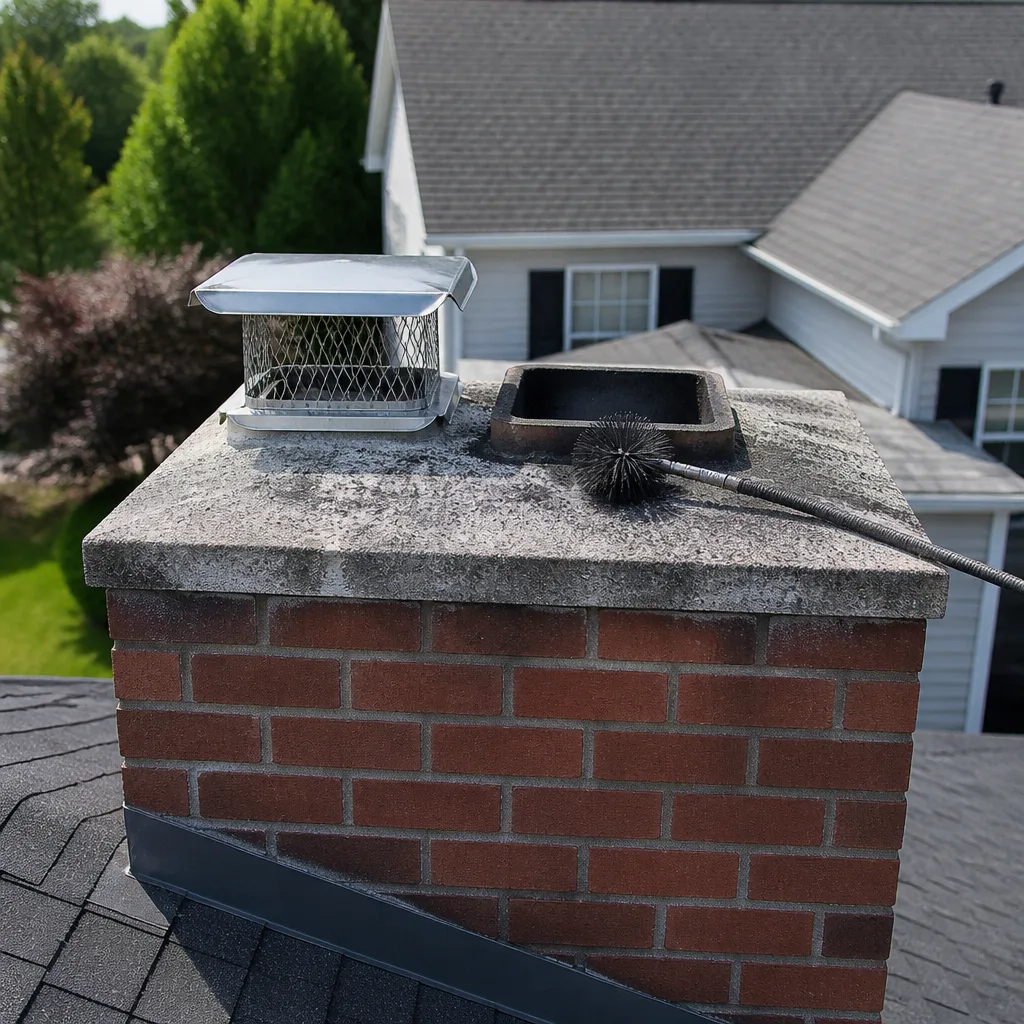 Sweep & inspection
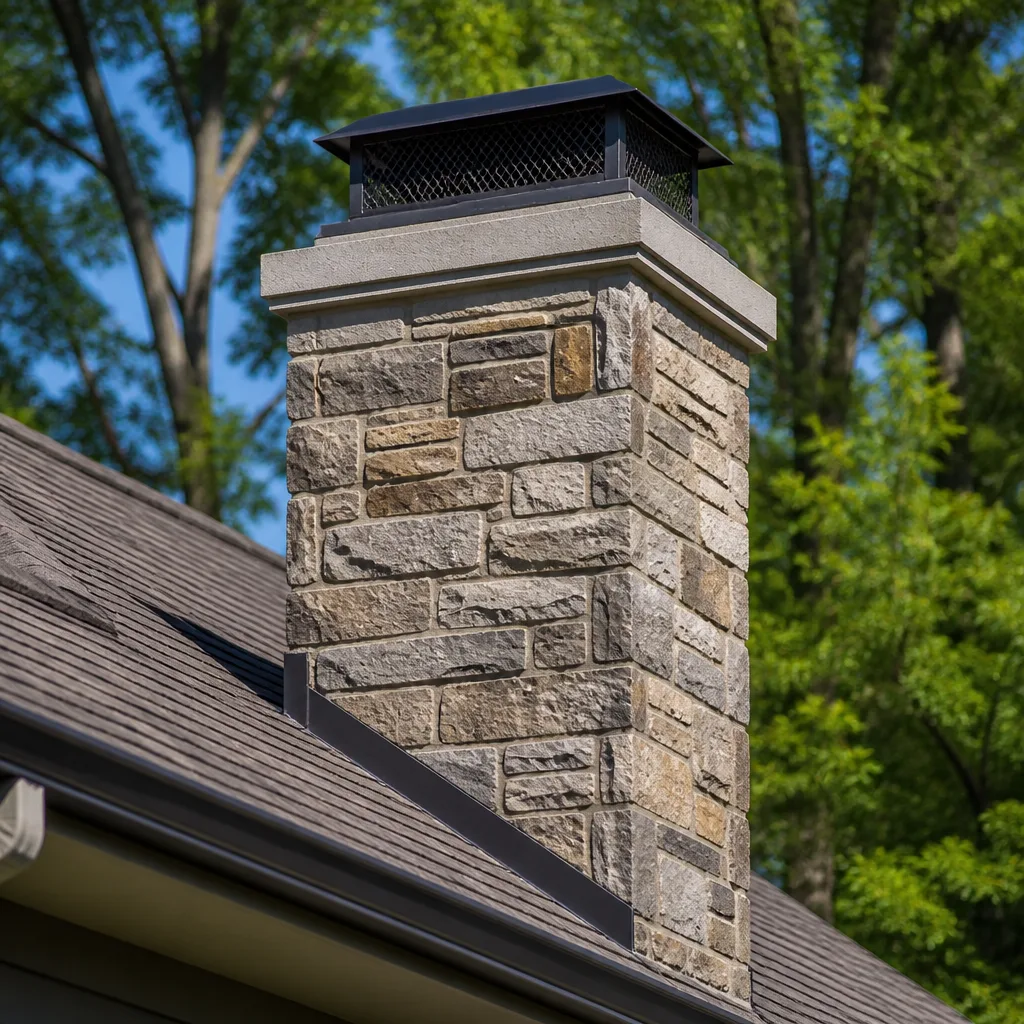 Caps & crowns
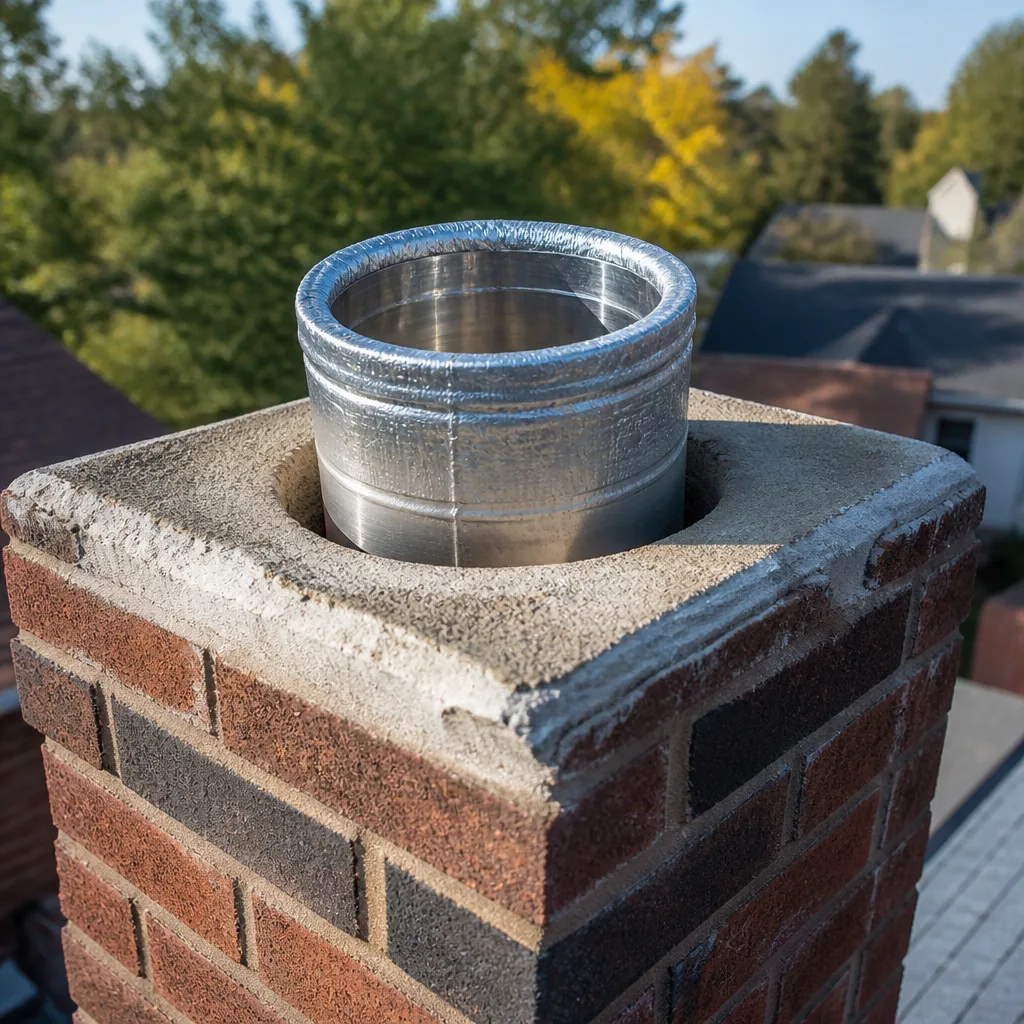 Flue relining
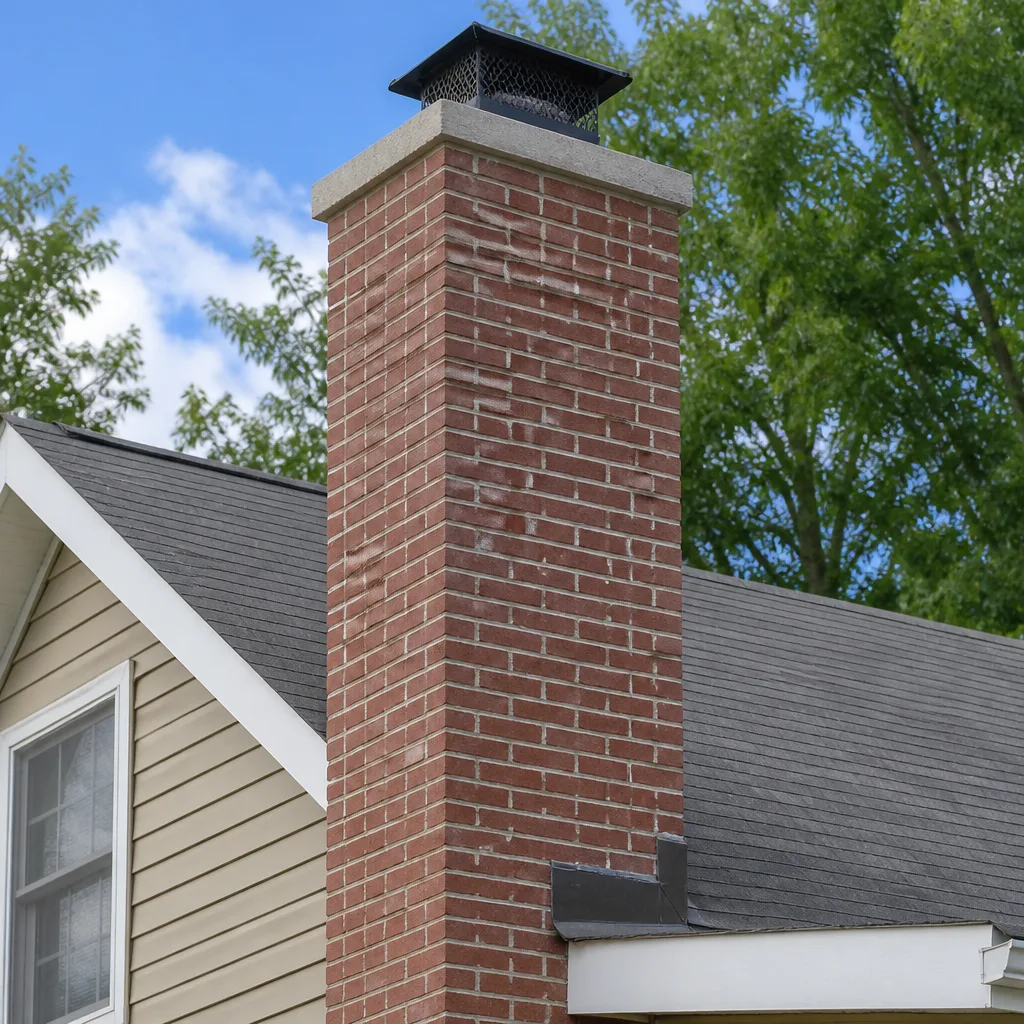 Masonry repair
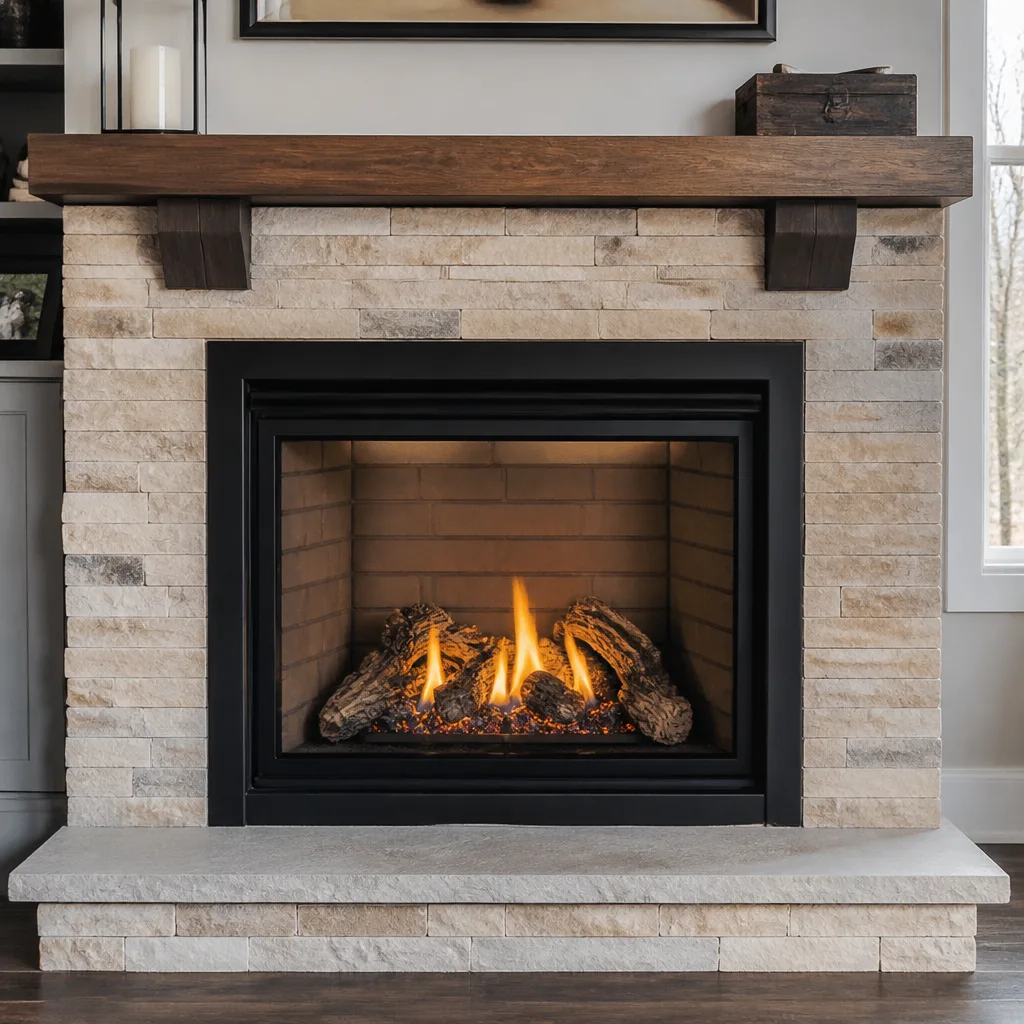 Gas fireplace service
Level 1 sweep and inspection to the NFPA 211 annual standard - flue, crown, cap, and flashing checked and photographed
Chimney sweep logs do not sweep chimneys. They loosen some creosote - which then falls where a brush and vacuum still have to collect it.
Chimney Sweep Troubleshooting in Englewood: Common Problems and How to Fix Them
A smoky fireplace isn’t a fireplace problem. It’s a pressure problem. That single shift in thinking changes everything about how you troubleshoot a chimney, because once you stop blaming the wood or the weather, you can start matching the symptom to the mechanical failure behind it. Most homeowners in Englewood reach for a quick fix, a damper adjustment, or a different log, when the real issue sits higher in the flue or at the cap. This guide walks through the specific symptoms, what each one points to, and how a proper diagnosis separates a five-minute adjustment from a structural repair.
Quick Answer
Most chimney problems in Englewood come down to three root causes: insufficient draft (made worse by our high elevation), water intrusion through a failing cap or crown, and glazed creosote from restricted airflow. Troubleshoot in this order: check the cap and crown for damage, confirm the damper opens fully, then have the flue inspected for obstructions and creosote. Smoke rollback with an open damper almost always signals a draft or pressure issue, not a firebox defect.
Styles & brands we work with
- Sweep & inspection
- Caps & crowns
- Flue relining
- Masonry repair
- Gas fireplace service
Table of Contents
- Symptom-to-Cause Matrix: What Your Fireplace Is Telling You
- Why Englewood’s Elevation Changes Your Draft
- Draft Problems: Damper Adjustment vs. Liner Repair vs. Cap Replacement
- Telling Cosmetic Spalling From a Structural Breach
- Creosote, Glazing, and What It Says About Airflow
- Animal Odors and the Efflorescence Clue
- When a DIY Fix Is Legitimate and When It Backfires
- Building a Yearly Troubleshooting Routine
Symptom-to-Cause Matrix: What Your Fireplace Is Telling You
Every chimney symptom maps to a small set of physical causes. When you learn to read them, you skip the guesswork. Here’s the matrix we run through mentally on every troubleshooting call in Englewood, and it’s the same order we recommend you use before booking anything.
- Smoke rolling back into the room: Pressure imbalance, blocked flue, or a flue that’s undersized for the firebox opening. Rarely the wood.
- Slow, lazy draft: Cold flue, insufficient combustion air, or elevation-related pressure drop combined with a short stack.
- Animal odors on warm days: An open flue with no cap, or a cap whose mesh has failed and let birds or squirrels in.
- White, chalky staining on exterior masonry: Efflorescence, which means water is moving through the brick and evaporating on the surface.
- Shiny, tar-black deposits inside the firebox throat or flue: Stage 3 glazed creosote from restricted airflow and low firebox temperatures.
- Rust streaks down the flue or a musty smell: Water intrusion from a failed crown, cracked cap, or open flue.
Reading these together matters. A single symptom in isolation can have several causes, but two or three clustered together usually point to one root. Efflorescence plus rust streaks means water is getting in and staying in. Smoke rollback plus slow draft means the flue isn’t pulling enough air, which compounds the creosote problem. That’s why a proper chimney sweep visit includes an inspection, not just a brushing. The sweep removes what’s there; the inspection tells you why it was there.
Why Englewood’s Elevation Changes Your Draft
Englewood sits at roughly 5,400 feet above sea level, and that fact quietly rewrites most chimney troubleshooting advice you’ll find online. At that elevation, air is thinner. Each cubic foot of air contains fewer oxygen molecules than the same cubic foot at sea level, which means a wood fire needs more volume of air to burn cleanly. Most fireplaces, especially older masonry ones built with sea-level guidance in mind, were never designed to compensate. The result is a flue that pulls harder than it should and a fire that burns hotter than it needs to, or the opposite: a flue too short to establish strong draft and a fire that smolders.
Three things follow from this:
- Combustion air supply matters more here than almost anywhere. A tightly sealed house in Englewood can starve a fire even when the damper is wide open. Cracking a nearby window is a legitimate test, not a fix.
- Draft calculations have to account for altitude. When we evaluate whether a flue is tall enough, we use the local barometric baseline, not a chart written for a coastal city.
- Creosote builds differently. Cooler, smoldering fires at altitude deposit creosote faster than hot, clean burns. That’s why sweep intervals in Englewood tend to run tighter than the national average.
If you moved here from a lower elevation, your old habits can work against you. A fire that burned clean at 800 feet can glaze a flue at 5,400. When we install a Chimney Sweep Englewood inspection visit, altitude is the first variable we weigh.
Draft Problems: Damper Adjustment vs. Liner Repair vs. Cap Replacement
Not every draft problem is expensive. Knowing which tier of fix you’re in saves real money and prevents the wrong contractor from being called. Here’s the decision framework we use.
Tier 1: Damper and combustion air (usually free to a few hundred dollars)
If the fireplace burns poorly only on cold starts and improves after twenty minutes, you likely have a cold-flue problem. Warm the flue with a rolled newspaper torch before lighting the fire and see if the draft improves. If it does, the fix is technique, not structure. If the damper is stuck, warped, or doesn’t open fully, that’s a fireplace repair issue with a clear remedy.
Tier 2: Cap replacement (moderate)
If smoke rolls back only on windy days, or you find evidence of animals, the cap is the likely culprit. A cap that’s too short, dented, screened with the wrong mesh, or missing entirely lets wind drive down the flue and disrupts draft. We install Gelco and Famco caps and covers sourced from dedicated chimney supply lines, not generic hardware, because cap geometry matters more than most people realize.
Tier 3: Liner repair or relining (the big one)
If draft is chronically weak, the firebox is oversized for the flue, or the existing liner is cracked, spalled, or the wrong material for the appliance, you’re past the point of adjustment. This is where a DuraFlex flexible liner system earns its place, sized to the appliance and the flue, not picked off a shelf. In some cases a deteriorating clay flue can be restored with HeatShield ceramic resurfacing instead of a full tear-out. Not every liner qualifies, and we tell you honestly when it does.
The point: draft troubleshooting is a tiered diagnosis. Start with the cheap fix and only escalate when the evidence points there. A technician with up to 13 years of experience reads these signals quickly.
Telling Cosmetic Spalling From a Structural Breach
A crack in the chimney’s masonry is either a surface blemish or a path for combustion gases into your living space. Distinguishing them is the most consequential diagnostic call in chimney troubleshooting, and it’s the one homeowners get wrong most often. Here’s how to tell them apart in general terms.
Cosmetic: spalling and surface flaking
Spalling is the face of a brick flaking off in thin layers. It’s ugly, and it’s a water-management problem, not a structural one. It happens when brick absorbs moisture and the surface layer separates as water evaporates. Efflorescence (white powder) commonly accompanies it. Spalling is worth fixing to stop further degradation, but it isn’t an immediate carbon monoxide risk. Usually the root cause is a failed crown, a missing cap, or a masonry joint that welcomes water in. We install and replace crowns in-house precisely to fix the source, not just the symptom.
Structural: cracks wider than a hairline, or cracks in the flue itself
A structural breach looks different. Cracks wider than a hairline, cracks that run through the full thickness of the flue tile, visible gaps between flue sections, or a flue that’s shifted from vertical all signal a real safety concern. A cracked flue liner allows combustion gases, including carbon monoxide, to migrate through the masonry and into rooms above, into wall cavities, or into attic space. That’s why the standard for flue tile is zero tolerance for cracks, not a cosmetic standard.
The safe call: if you can see daylight through a crack from the firebox side, or if you smell smoke in upstairs rooms you shouldn’t, don’t burn until someone inspects the flue. We can’t diagnose a flue over the phone any more than a doctor can diagnose a fracture over the phone, but we can put eyes on it fast. Call (866) 431-6293. We answer 24/7. Fast dispatch from 7am to 7pm, Sunday through Friday.
Creosote, Glazing, and What It Says About Airflow
Creosote isn’t a uniform problem. It comes in forms that range from a light, brushable soot to a hard, tar-like glaze that a standard sweep can’t remove. The form it takes is a direct storyteller for airflow and burn temperature, which makes it one of the most useful diagnostic clues in the trade.
- Stage 1 (light soot): Dry, flaky, comes off easily. Tells you the fire is burning reasonably well. Sweep on schedule and you’re done.
- Stage 2 (flakey and crusty): The fire is running cooler than ideal, more likely at Englewood’s elevation where combustibles burn less cleanly. Escalating deposits mean restricted airflow is developing. Address it before it hits the next stage.
- Stage 3 (glazed and shiny): A tar coating that looks almost enameled. It’s the most flammable form and the hardest to remove. Glazing almost always means the flue was starved for air, either from a closed damper, an undersized flue, a restricted cap, or wet wood.
Glazed creosote also has a nasty property: it’s the fuel that makes a chimney fire dangerous, and that risk grows the longer it sits. If you find a shiny, glassy residue, it’s a signal to get the flue inspected, not to keep burning. Removing glazing sometimes needs chemical treatment or a rotary sweep beyond a standard brushing; our technicians carry the right tools and know when a liner qualifies for HeatShield resurfacing versus a full reline with a DuraFlex system.
Animal Odors and the Efflorescence Clue
Two symptoms that homeowners rarely connect are actually pointing at the same failure: water and air. Animal odors on warm days almost always mean an open flue with no cap, or a cap whose mesh has failed. Birds, squirrels, and raccoons find an uncapped chimney inviting, and once they’ve been inside, the odor often lingers. Efflorescence on the exterior is the other half: white, chalky staining that appears when water passes through the brick and evaporates on the surface, leaving dissolved salts behind. Both are telling you the same thing from different angles: the chimney’s weather envelope has failed.
Here’s the diagnostic sequence:
- Check the top of the stack. Is the cap present? Is the mesh intact? Is the crown cracked or missing a drip edge?
- Look for efflorescence on the exterior. If the white staining appears above the roofline and worse around the flue, water is entering from the top, not rising from the ground.
- Smell inside the house on a warm, still day. A draft that reverses on warm days pulls chimney odors down into living space. That’s an airflow issue as much as an animal issue.
- Have the flue inspected for nesting material. Removal is straightforward, but only after the flue is checked for structural damage the animal may have caused.
An uncapped flue in Englewood picks up moisture through our freeze-thaw cycles, which accelerates spalling on the masonry crown and shoulders. Fixing the efflorescence means fixing the water source, which means a cap and crown inspection. We handle cap replacement and crown installation in-house, so there’s no call to a second contractor.
When a DIY Fix Is Legitimate and When It Backfires
Some chimney troubleshooting is safe to do yourself. Some of it is dangerous, and some of it can void your homeowner’s insurance or change a small repair into a large one. Here’s the honest dividing line.
Safe DIY
- Opening the damper fully and confirming it moves freely.
- Warming the flue with a newspaper torch to test cold-start draft.
- Cracking a nearby window to test whether combustion air is the issue.
- Visual inspection of the cap from ground level with binoculars.
- Checking your wood for moisture content with a moisture meter (seasoned wood runs drier).
- Confirming the smoke shelf and damper frame aren’t blocked by ash buildup.
Not DIY
- Removing glazed creosote from high inside the flue. The tools and technique matter, and a chimney fire while working is a real risk.
- Entering a flue or firebox that may have structural damage. This is where carbon monoxide exposure can happen.
- Relining the flue. It’s a code-driven installation and needs a properly sized liner like a DuraFlex system, not an off-the-shelf sleeve.
- Repairing or resurfacing a cracked clay flue. That’s the HeatShield territory and it needs a certified hand.
- Chasing smoke rollback by closing off vents, blocking the flue, or installing a fan. These hacks often make airflow worse and can make a future insurance claim harder because the record of what changed isn’t there.
Insurance companies look at loss history. If a chimney fire happens after you’ve sealed a flue or modified the firebox to fix draft, that change becomes part of the story. The safer play, in terms of both safety and cost, is to have the flue inspected, get the diagnosis, and let the repair happen against a documented baseline.
Building a Yearly Troubleshooting Routine
The best troubleshooting is the kind you never have to do. A small routine each season keeps a chimney in Englewood from drifting into the failure zones above.
- Before the first burn of the season: Look at the cap and crown from ground level. Are they intact? Clear of debris?
- Open and move the damper. Confirm it opens fully and closes cleanly. Note any resistance or grinding.
- Check the firebox for cracked brick or loose mortar. Small cracks are common; deep ones need a look.
- Smell and look for moisture. Rust streaks, musty odors, and efflorescence are all water signals.
- Schedule a sweep and inspection. Yearly for fireplaces in regular use; more often if you burn frequently or have glazed creosote history.
- After the last burn of the season: Sweep again to remove what’s accumulated, so creosote doesn’t sit on the flue all summer absorbing moisture.
For structural issues, a chimney repair assessment covers the crown, cap, masonry, and flue in one visit. For fireplace-side problems, the fireplace evaluation is separate, so you’re never guessing which contractor to call first. One call covers inspection, cleaning, repair, and cap work.
Common Mistakes to Avoid
- Blaming the wood first. “Bad wood” is the most common scapegoat, and it’s rarely the whole story. Wet wood makes draft problems worse, but it doesn’t create them. Test the flue, not the log.
- Sealing the top of the flue to stop a draft. Blocking a flue to stop smoke rollback traps combustion gases. It’s dangerous and it makes the eventual diagnosis harder.
- Calling a general handyman for a chimney issue. A handyman can brush a flue, but a full diagnosis, liner sizing, and HeatShield resurfacing need a chimney specialist. If the person you call can’t tell you why creosote glazed, you’ve only half-solved it.
- Assuming smoke rollback is “just the fireplace.” In Englewood’s high altitude, the same symptom pattern shows up from three different causes (flue size, stack height, combustion air). Two of those need a fix, one is technique.
- Painting over efflorescence without fixing the water source. Sealing the surface while water keeps entering from above traps moisture inside the brick, which makes the spalling worse.
- Ignoring a hairline crack because it “looks fine.” A hairline crack that’s growing is a real signal. Cracks that run through the flue tile matter more than the surface patch.
- Skipping the sweep because the fire “looked clean” last season. Creosote accumulation is gradual and invisible from the firebox. You don’t know how much is up the flue until someone checks.
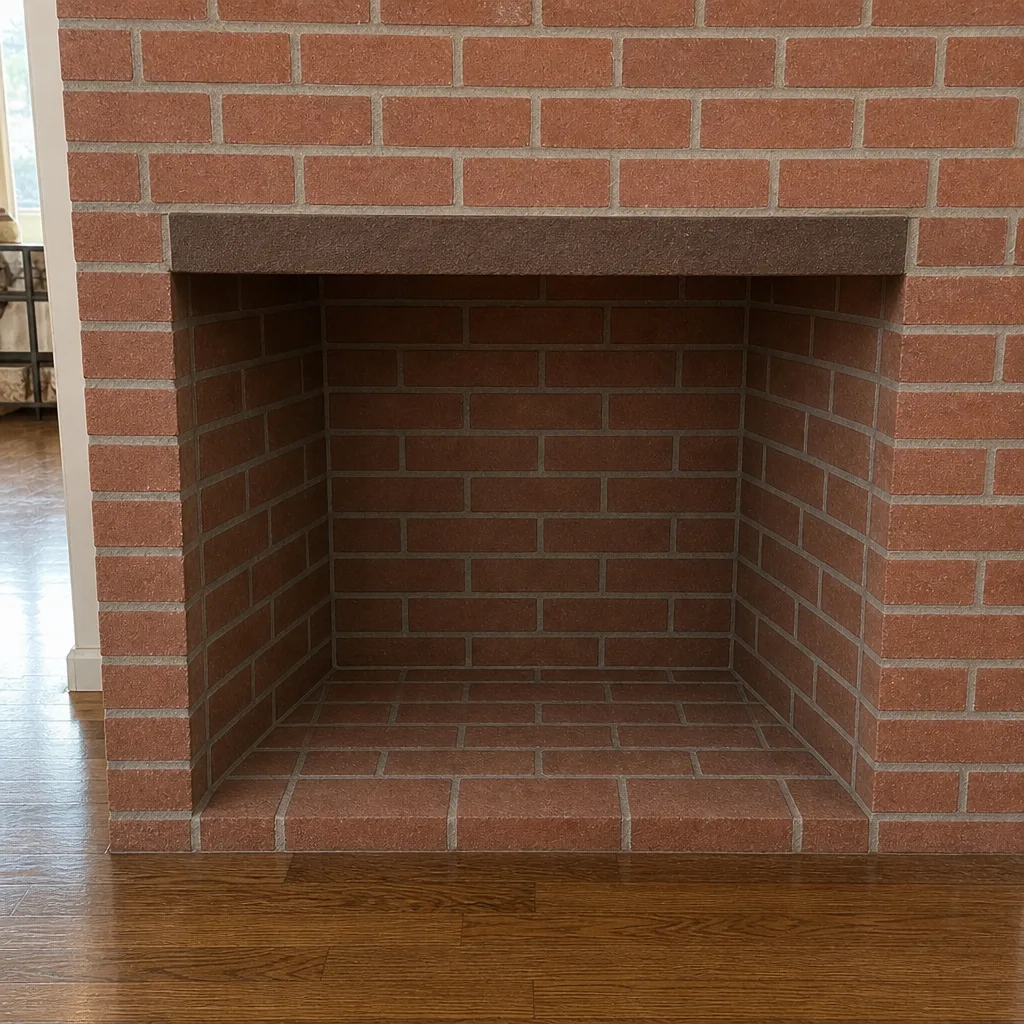
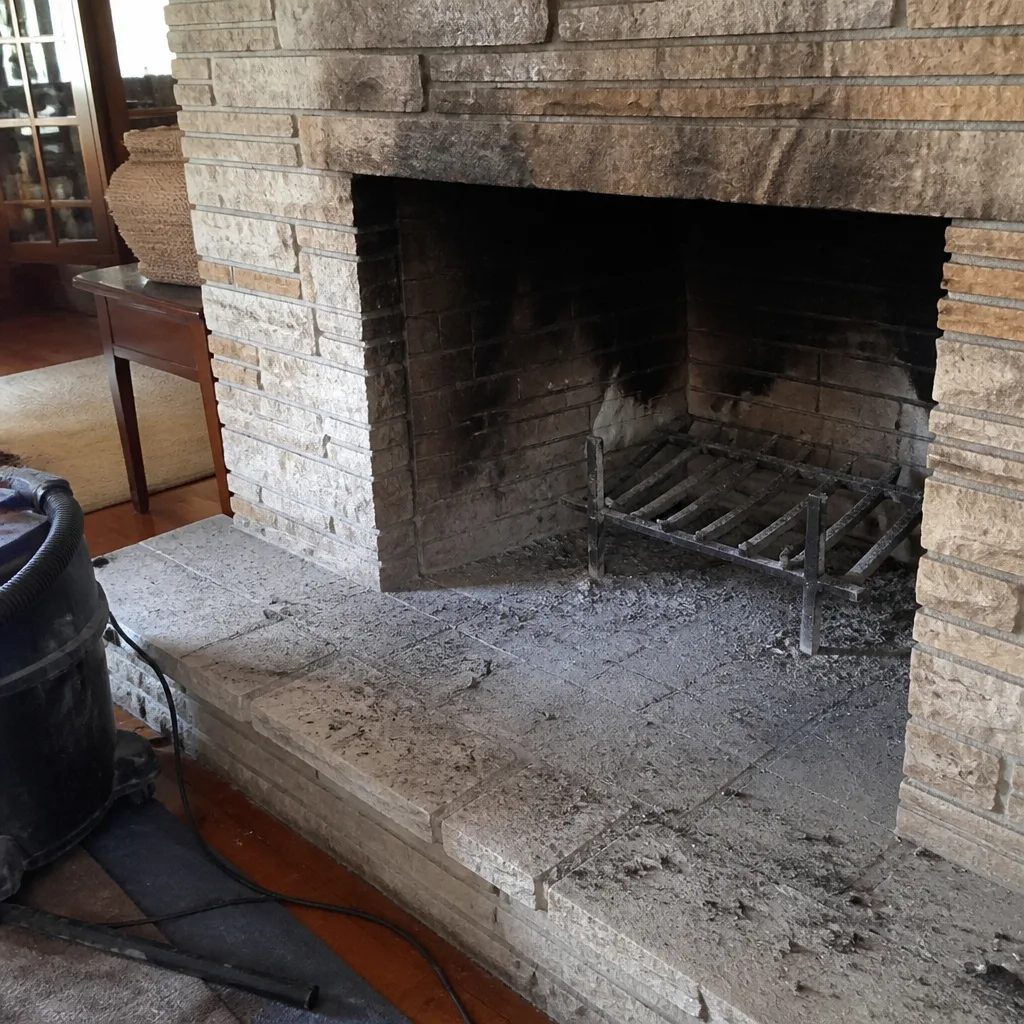
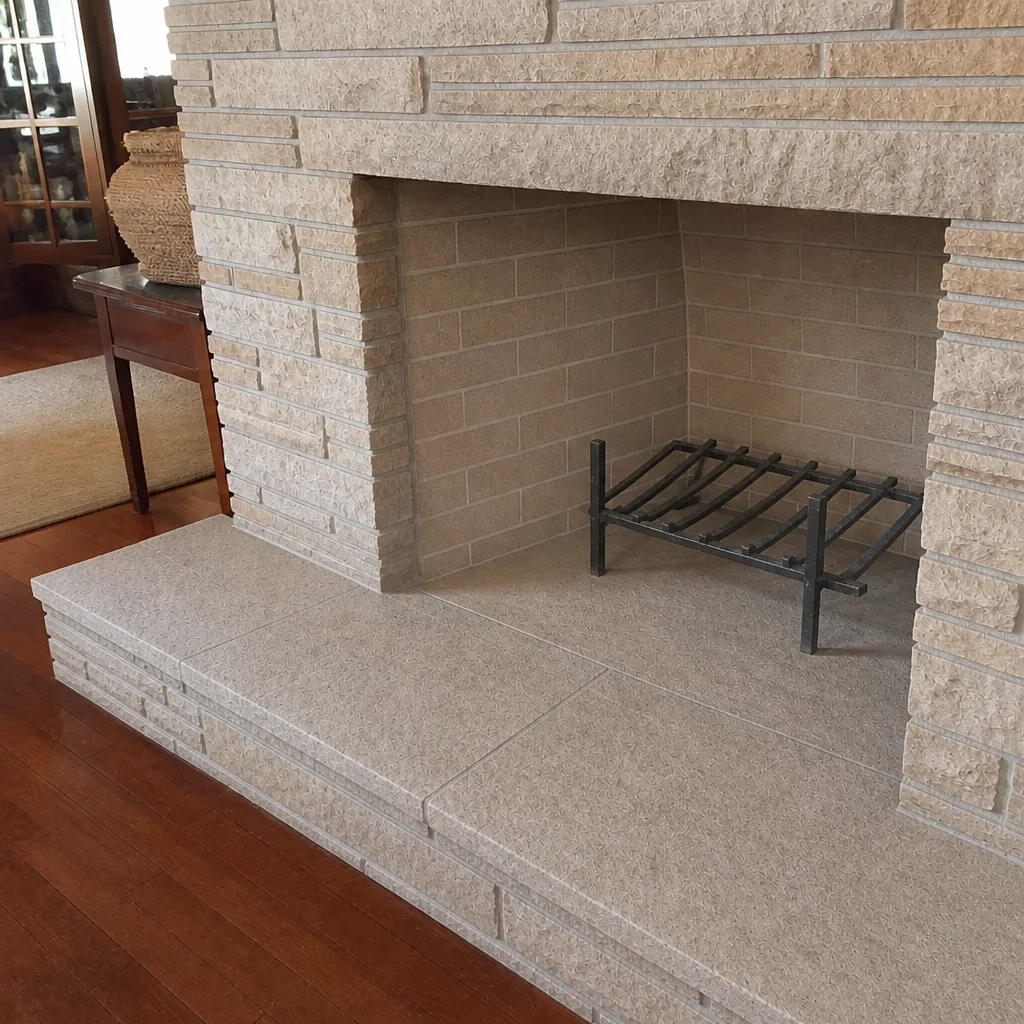
See the difference
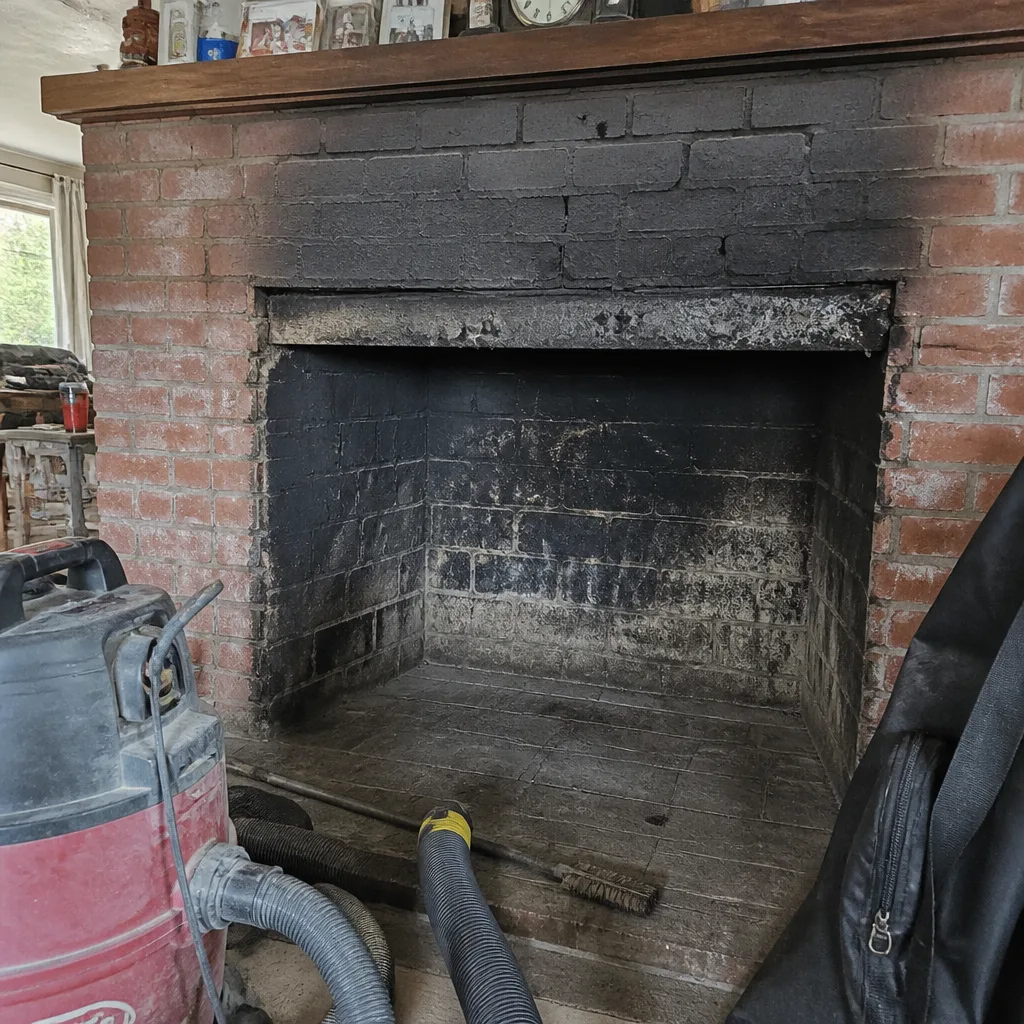 Before
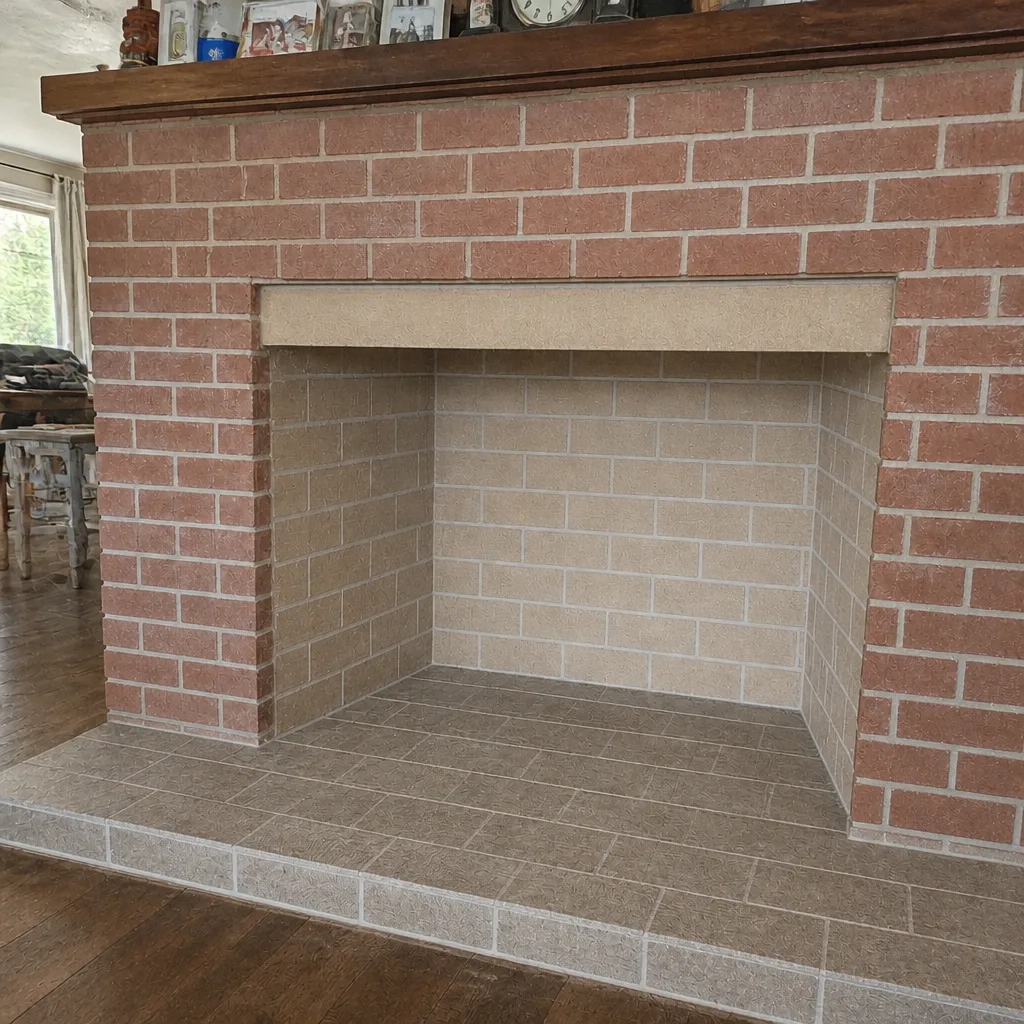 After
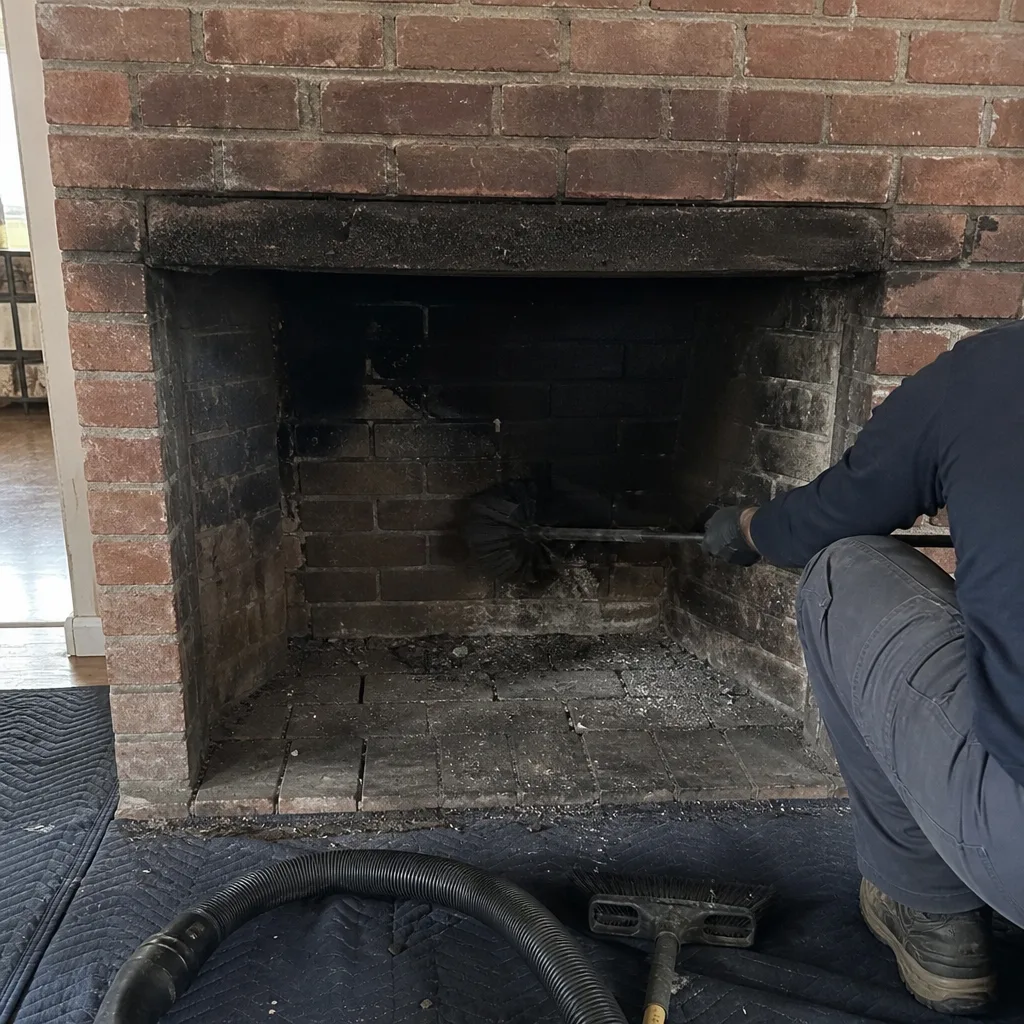 Before
 After
 Before
 After
When to Call a Professional
Call a professional when any of these is true: you’re seeing smoke rollback despite an open damper, you’ve found efflorescence or rust streaks, you smell animal odors or gas odors, you see cracks wider than a hairline, or you’ve found glazed creosote. Call before the next fire if the firebox shows structural damage or if combustion gases may be entering the house. Call for an annual sweep if you burn regularly and haven’t had one this season. And call for an inspection if you’re buying or selling a home in Englewood and want a documented flue report. Chimney Sweep Englewood offers free estimates in Englewood: call (866) 431-6293. We answer 24/7. Fast dispatch from 7am to 7pm, Sunday through Friday.
Frequently Asked Questions
Most residential sweeps in Englewood run roughly $150 to $300 depending on flue length, number of flues, and how much buildup is present. A sweep combined with a Level 1 inspection runs a bit more. The written estimate sets the final price, and there’s no service-call fee. Call (866) 431-6293 for an exact quote.
Not always. A cracked or undersized clay flue sometimes qualifies for ceramic resurfacing rather than a full reline. We use HeatShield resurfacing when it’s appropriate, and we say plainly when a full reline with a DuraFlex system is the better call. Ask us whether your liner qualifies. Call (866) 431-6293 for an exact quote.
Once a year for a fireplace in regular use is the baseline. If you burn frequently, use wood that isn’t fully seasoned, or have a history of glazed creosote, once a year isn’t enough. At Englewood’s elevation, cooler fires deposit more creosote, so we often recommend a mid-season check. Call (866) 431-6293 for an exact quote.
Creosote accumulates and can reach the glazed stage, which is the fuel for a chimney fire. Separately, a cracked cap or crown lets water in, which degrades the masonry and the flue over time. Skipping the sweep doesn’t create a problem, it lets one you already have get bigger. Call (866) 431-6293 for an exact quote.
Smoke rollback with an open damper usually means a pressure problem or a restricted flue, not a firebox defect. At Englewood’s elevation, thin combustion air, a short stack, or a failed cap can all cause it. Warm the flue, test with a nearby window cracked, and if it persists, get the flue inspected. Call (866) 431-6293 for an exact quote.
Yes, cap and crown replacement is often a same-day repair when the materials are ready. We install Gelco and Famco caps and covers sourced from dedicated chimney supply lines, and we replace crowns to fix the water source, not just the symptom. Call (866) 431-6293 for an exact quote.
The Bottom Line
A chimney problem is a signal, not a mystery. Match the symptom to the cause, check the cap and crown first, then escalate to the flue, and only then to the liner. Englewood’s altitude makes draft and creosote behave differently than most guides assume, so weight your combustion air more heavily than advice written for lower ground. If you’re unsure, get the flue inspected before you burn again. One call covers inspection, cleaning, repair, and cap work, and the estimate is free. Call (866) 431-6293 for a free estimate and a straight diagnosis.
Written by the team at Chimney Sweep Englewood.