
Last updated November 24, 2026
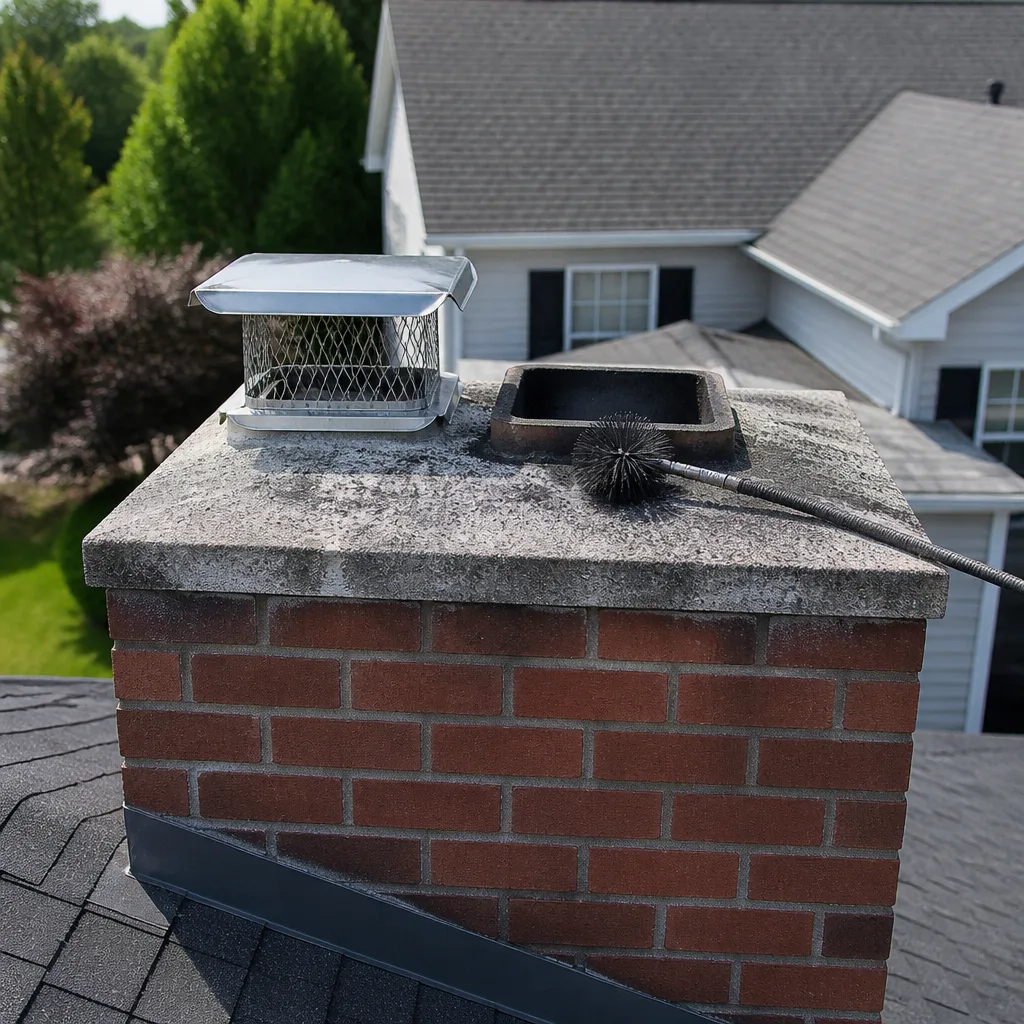 Sweep & inspection
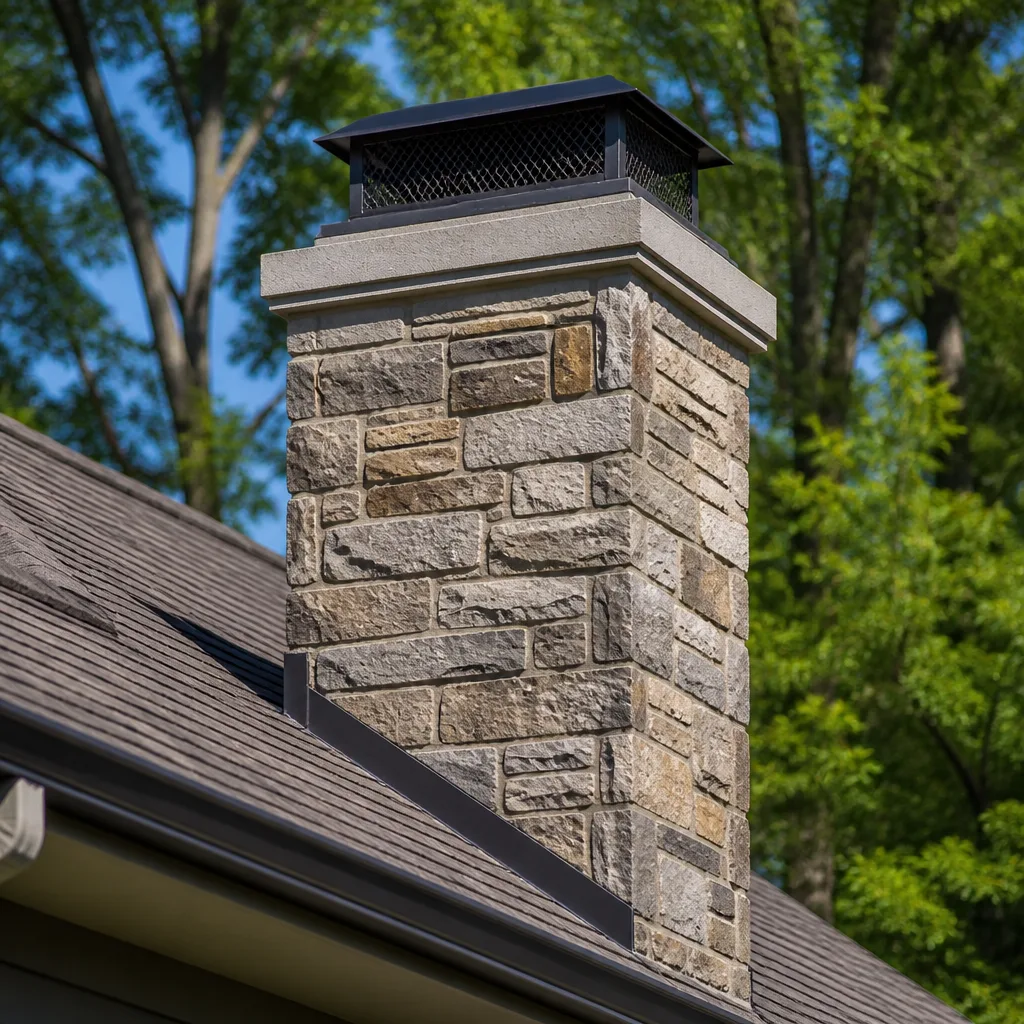 Caps & crowns
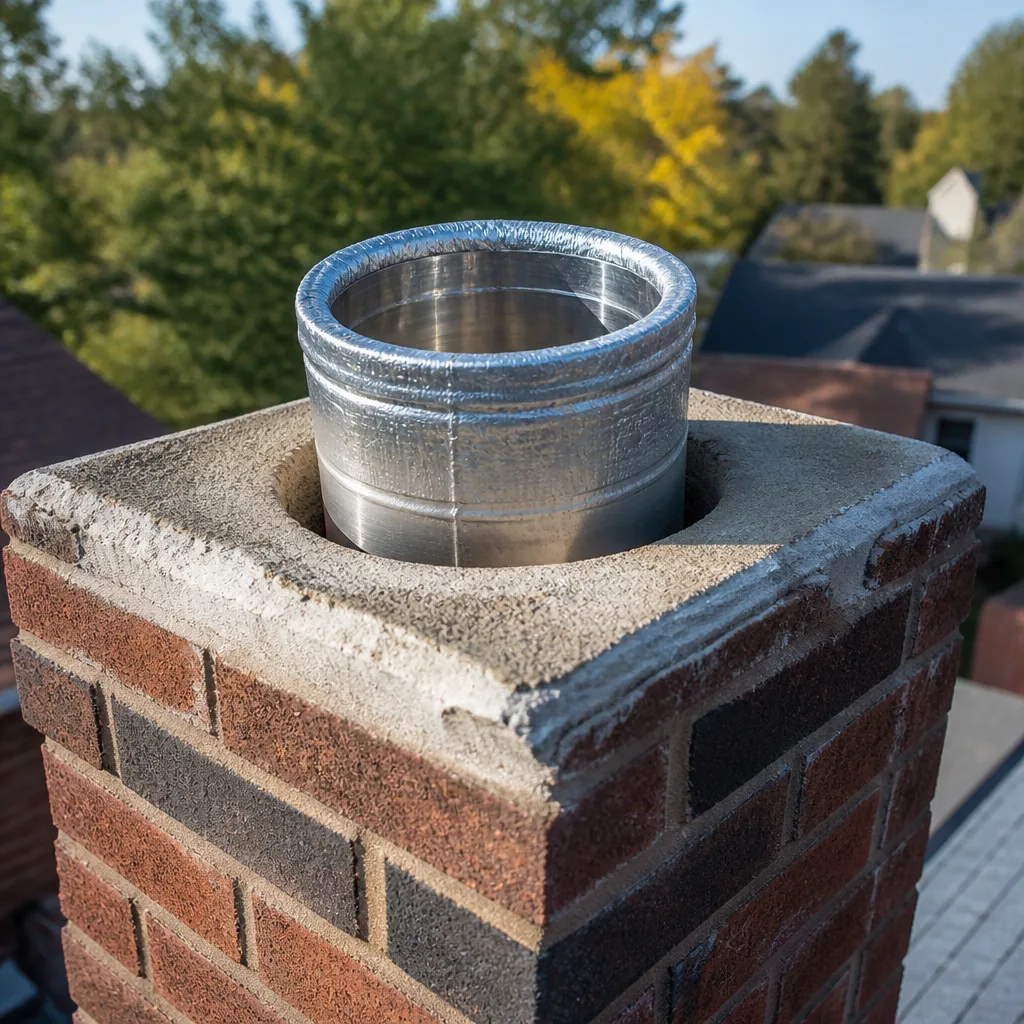 Flue relining
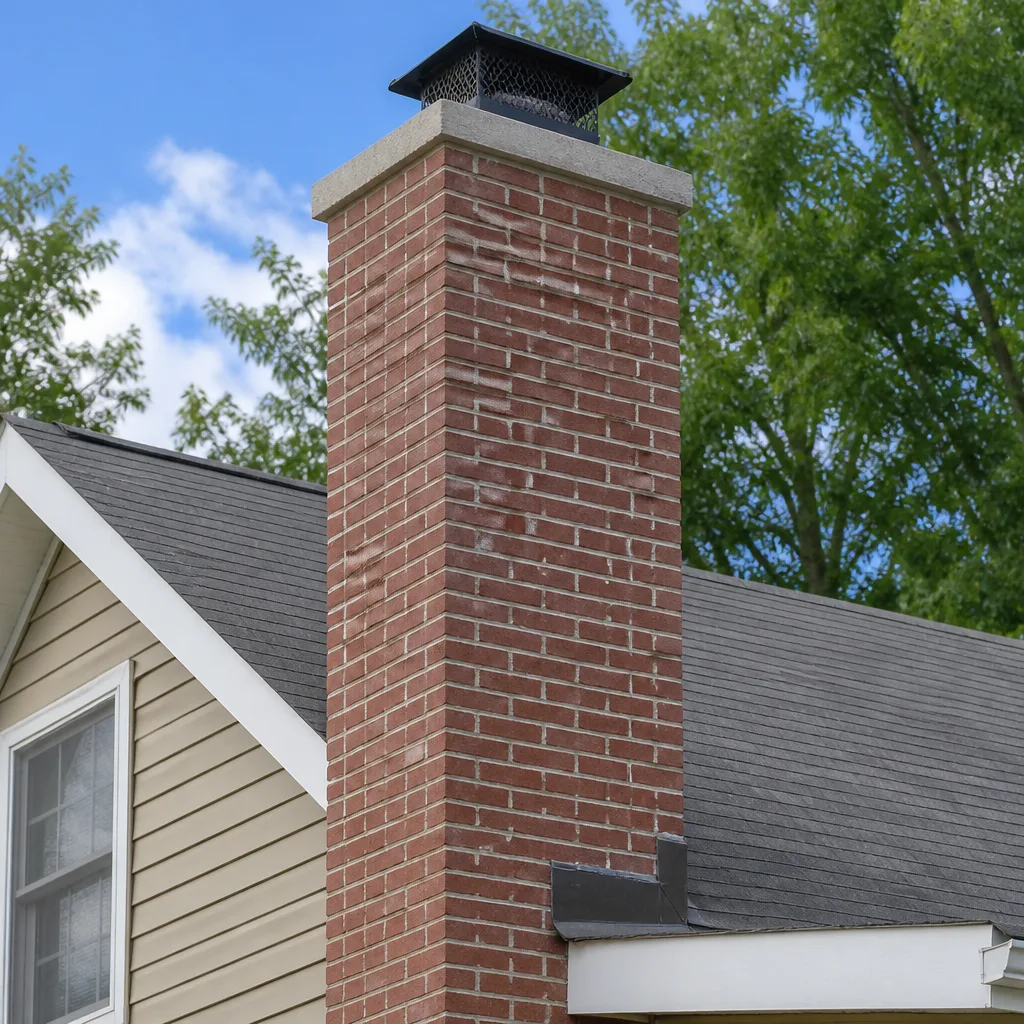 Masonry repair
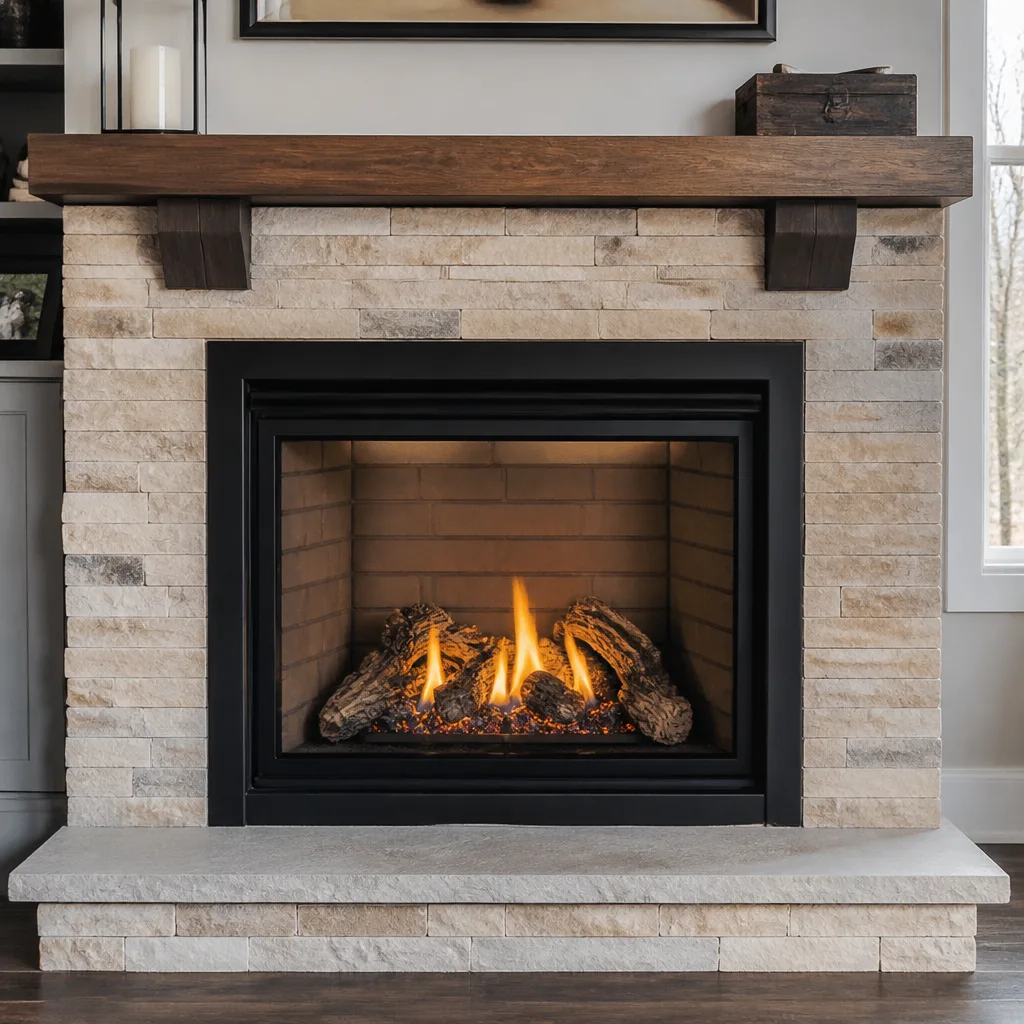 Gas fireplace service
Level 1 sweep and inspection to the NFPA 211 annual standard - flue, crown, cap, and flashing checked and photographed
Chimney sweep logs do not sweep chimneys. They loosen some creosote - which then falls where a brush and vacuum still have to collect it.
The Complete Guide to Chimney Cleaning in Englewood
Most Englewood homeowners who’ve had a chimney fire never saw it coming. That sounds like a scare line, but it isn’t. The inspection that cleared their system often missed one thing: glazed creosote, the hard, tar-like deposit that forms differently in our dry, high-elevation air than it does at sea level. A sweep can look thorough and still leave that glaze untouched on the flue wall. This guide walks through what a real cleaning involves in Englewood, why the local climate changes the job, and what gets skipped when a generalist does the work. By the end you’ll know exactly what to ask for.
Quick Answer
Chimney cleaning in Englewood, CO means removing soot and creosote from the flue, firebox, smoke chamber, and cap, then inspecting the whole system with a camera to catch liner damage that brushing alone won’t reveal. Because Englewood sits at roughly 5,370 feet in a semi-arid climate, creosote here tends to bake into hard, glazed deposits faster, so cleaning usually requires rotary equipment rather than a standard brush. A thorough job follows a set sequence from the cap down to the smoke shelf, and it ends with photo evidence of what was found.
Styles & brands we work with
- Sweep & inspection
- Caps & crowns
- Flue relining
- Masonry repair
- Gas fireplace service
Table of Contents
- Why chimney cleaning is different in Englewood
- What glazed creosote is and why it’s harder to remove here
- Level 1, 2, and 3 inspections: which one you actually need
- Why older Englewood homes need a camera inspection
- What rotary cleaning systems do that brushes can’t
- The full cleaning sequence, step by step
- What gets skipped in a handyman sweep
- What chimney cleaning costs in Englewood
Why chimney cleaning is different in Englewood
Englewood’s climate does something to a chimney that coastal and humid-climate guides never account for. At around 5,370 feet, the air is thin and dry, and the swing between a hot fire and a cold night is sharp. Wood burns hot and fast, then the flue cools quickly after the fire dies. That quick cooling is where creosote gets its chance to harden.
In humid climates, creosote tends to stay softer and stickier longer, which makes it easier to brush out. Here, moisture leaves the flue fast, and the residue that condenses on the cooler upper walls dries into a glaze. This is the same chemical process everywhere, but the local air speeds it up. Add the temperature swings that come with living on the western edge of the Denver metro, and a chimney that was cleaned a season ago can already carry a hard layer up top.
There’s a second local factor: how people heat. Many Englewood homes burn wood as a secondary heat source on cold snaps rather than as the main heat, which means fires that run hot for a weekend and then sit cold for a week. That pattern of hot-then-cold is exactly what drives glazed creosote formation. A fireplace used steadily at a moderate burn actually stays cleaner than one run in short, hot bursts.
None of this means every Englewood chimney is in trouble. It means the cleaning has to match the local conditions. A brush run down the flue by someone who does the same job the same way in every climate will miss deposits that formed the Englewood way. That’s the whole reason we take camera evidence seriously. For the cleaning itself, our Chimney Sweep Englewood page covers what a standard visit involves.
What glazed creosote is and why it’s harder to remove here
Creosote forms in three general stages, and the stage matters far more than the amount. Understanding the difference explains why a sweep can look complete and still leave a hazard behind.
- First-degree creosote is light, flaky soot. A standard brush removes it easily, and most of what you see after a normal season is this.
- Second-degree creosote is a crusty, sometimes tar-like layer that clings to the flue wall. Brushing alone often leaves patches behind; it takes agitation to break the bond.
- Third-degree creosote is glazed and hard, almost like a shell fused to the liner. It’s the stage that carries the highest fire risk, and it’s the stage our climate produces faster.
Why does dry air push creosote toward the glazed stage? Because glazing happens when the deposits stay hot long enough to polymerize, then cool and harden without much moisture to soften them. In a humid climate, ambient moisture keeps the residue workable for longer. In Englewood’s dry air, once the fire dies and the flue cools, that layer sets like resin. Come back a month later and it’s bonded to the wall.
That’s why we pay attention to the flue wall, not just the firebox floor. A sweep that empties the firebox and brushes the visible flue can leave a glaze ring higher up, often near the top third where flue gases cool first. If that ring is never broken, the next fire runs against it. This is a fire-risk issue, not a cosmetic one, and it’s why the cleaning method has to match the deposit. When glazed creosote turns out to be widespread, we sometimes recommend a HeatShield ceramic resurfacing to restore the flue rather than chase the glaze indefinitely. Most general sweep services can’t offer that option.
How to tell which stage you’re dealing with
You can’t reliably judge creosote stage by eye from the firebox, and you shouldn’t try to reach up the flue yourself to scrape it. A technician checks it with a camera and a flue brush from the top down. If you see shiny, black, hard-looking patches reflected in a flashlight beam from below, that’s a sign worth flagging when you call. But the real diagnosis comes from a proper inspection.
Level 1, 2, and 3 inspections: which one you actually need
Not every cleaning needs the same inspection, and paying for the wrong level wastes money while the wrong level can miss something. Here’s how the three levels break down and how they apply to Englewood homes.
Level 1 inspection
A Level 1 is the basic check you get with a routine annual cleaning. It covers the readily accessible parts of the system: the firebox, damper, smoke chamber, and the flue as far as the technician can see from the firebox and the top. If the chimney hasn’t changed and there’s no known problem, a Level 1 is usually enough, paired with a cleaning. This is the standard visit for a wood-burning fireplace that’s been swept regularly.
Level 2 inspection
A Level 2 goes further, using a camera to inspect the full length of the flue interior. It’s the level you want in a few specific situations that happen a lot in Englewood:
- Buying or selling a home. Resale is the most common reason. An Englewood home built in the 1950s through the 1980s often has an original clay-tile liner with cracks the eye can’t see from the firebox. A camera inspection shows them.
- After a chimney fire or a storm. Wind, hail, and freeze-thaw cycles on the Front Range can crack a crown or dislodge tiles. A Level 2 check verifies the liner survived.
- After an appliance change. A new insert, stove, or furnace flue connection changes how the system behaves and warrants a closer look.
Level 3 inspection
A Level 3 is the deepest and is only recommended when a Level 1 or 2 turns up a problem that requires opening up part of the chimney to see it. That might mean removing a section of the crown or accessing a hidden part of the flue. Level 3 is not routine; it’s a targeted diagnostic after a specific concern.
For most Englewood homeowners, the pattern is simple: annual Level 1 with a cleaning, and a Level 2 whenever the house is changing hands or something has happened to the chimney. If you’re not sure which one applies, ask when you book. Our inspection work is part of the same visit as the cleaning.
Why older Englewood homes need a camera inspection
Englewood has a lot of mid-century housing stock, much of it brick construction from the 1950s through the 1980s. Those homes are well built, but their chimneys were designed for the appliances and burning habits of a different era. That makes a camera inspection more important here than in newer neighborhoods.
Original clay-tile liners were common in that construction. Over decades, a clay liner develops hairline cracks from thermal cycling: heating with a fire, cooling overnight, again and again through our temperature swings. A crack doesn’t make a chimney unusable, but it does let heat and combustion gases reach the surrounding masonry. From the firebox, you can’t see those cracks. From a camera running the full length of the flue, you can.
There’s a related issue with the smoke chamber. Older fireplaces often have a smoke chamber that was built without today’s smoother finishes, which lets creosote cling in hard-to-reach corners. A sweep without a camera can clean what it can see and leave the smoke chamber coated. That buildup sits right above the firebox, where the heat is highest.
We’ve seen this pattern enough in Englewood that we treat camera inspection as standard on any home from this era, not an add-on. When the liner is cracked but still structurally sound, HeatShield ceramic resurfacing can restore the interior surface without a full tear-out. When the liner is beyond that, a DuraFlex flexible liner is the industry-standard reline option we work with. Either way, the decision comes from what the camera shows, not from a guess.
What rotary cleaning systems do that brushes can’t
A standard brush removes loose soot and first-degree creosote. It does that well. But a brush that’s spun by hand has limited force against a hard, glazed layer, and pushing harder is not the answer. The bristles just skate over the glaze. Rotary cleaning systems solve this by driving the brush head with a powered motor and a flexible rod, so the head spins against the flue wall at a controlled speed. That constant rotation breaks the bond between the glaze and the liner surface in a way hand-brushing can’t.
What this changes in practice:
- Glazed creosote actually comes off. The spinning head works the surface until the glaze fractures and releases, rather than skipping over it.
- The flue wall gets cleaned evenly. A rotary head follows the full circumference and length of the flue, so no ring of deposit is left near the top where gases cool.
- It’s gentler on the liner than aggressive hand-scraping. Controlled rotation matters. A technician still has to match the brush head to the liner material; the wrong head on a fragile clay liner does damage. That judgment is part of the job.
Rotary equipment is also why professional-grade materials matter through the whole system. A chimney cleaned properly but then left with a failing cap fills back up with water and debris, and the cycle starts again. We install Gelco and Famco caps and covers because they’re built for the trade, not the hardware-store shelf, and a fitted cap keeps rain, birds, and debris out between cleanings. One call handles the cleaning, the inspection, the cap, and any repair the camera turns up. No second contractor, no handoff.
The full cleaning sequence, step by step
The order a job follows matters as much as the tools. Here’s what a complete cleaning looks like, from the top of the chimney down to the firebox. This is the sequence we follow, and it’s what separates a real sweep from a quick pass.
- Set up containment. Drop cloths and a vacuum at the firebox keep soot out of the room. This is the first thing that should happen, before any brushing.
- Inspect the cap and crown from the top. The cap keeps water and animals out; the crown keeps water off the masonry. Cracked crowns and missing caps are the root of a lot of water intrusion, and we check them before cleaning so we know what’s coming.
- Run the camera down the flue. This records the liner condition before cleaning, so we have a baseline. It’s also where cracks, gaps, and offset tiles show up.
- Clean the flue from the top down. Rotary equipment breaks the creosote loose, and the vacuum below captures it. Top-down keeps the debris moving one direction.
- Clean the smoke chamber and smoke shelf. This is the transition above the damper where gases slow and deposits collect. It’s the step most often skipped in a basic sweep.
- Clean the firebox and damper. The firebox floor, walls, and damper assembly get cleared of ash and buildup.
- Re-run the camera and photograph the results. A cleaning should end with evidence. You should see what was removed and what condition the liner is in.
- Report findings and recommend repair only where it’s needed. Caps, crowns, liners, fireplace panels: anything flagged comes with the photo to support it.
Notice that two of the eight steps are camera work. A cleaning without them is a partial job. The rest of the full scope, from cap and crown work to structural repairs, lives under our chimney repair service, so anything the camera finds gets handled in the same visit rather than referred out.
What gets skipped in a handyman sweep
A general handyman or a furnace company that adds chimney cleaning as a side service can run a brush down the flue and call it done. That’s not dishonest, exactly; it’s just incomplete. The tools and the sequence are where the difference shows.
- The smoke chamber. Without access and the right equipment, the smoke chamber gets a quick pass at best. Deposits stay in the corners.
- Glazed creosote. A hand brush can’t break a third-degree glaze. The layer stays, and the fire risk stays with it.
- Camera inspection. Many side-service providers don’t carry a flue camera, so liner cracks that can’t be seen from the firebox go undetected.
- Post-cleaning photos. Without a before-and-after camera record, you have no way to know what was found or what condition the flue is in.
- The cap and crown. A handyman may not stock or install trade-grade caps and crowns, so water intrusion gets cleaned around rather than fixed.
The bigger issue is the handoff. When a generalist finds a cracked liner or a failing crown, the job usually stops and you’re told to call a chimney specialist. That’s a second visit, a second schedule, and a second contractor. Our scope covers the whole chimney, so the cleaning, the inspection, the repair, and the cap work all come from one place.
What chimney cleaning costs in Englewood
Chimney cleaning pricing in Englewood depends mostly on what’s found once the camera’s down the flue, so no honest quote comes before an inspection. What we can do is describe how the job breaks down. The written estimate sets the final price, and the estimate itself is free. Every sweep is a flat-price job agreed before we book, so you know the number before anyone arrives. Here’s the general shape of the work:
- Standard sweep with Level 1 inspection. The routine cleaning for a fireplace that’s maintained and burning clean.
- Sweep with Level 2 camera inspection. Added when buying or selling, after a storm, or when the liner needs a full look.
- Glazed creosote removal with rotary equipment. More labor, more time, because a hard glaze has to be broken down rather than brushed off.
- HeatShield ceramic resurfacing. When the liner is deteriorating but structurally sound, resurfacing restores it without a tear-out.
- Relining with a DuraFlex flexible liner. When the liner can’t be restored, a new liner brings the flue back to safe operation.
- Cap and crown installation or replacement. Fixes the water source at the top of the chimney, using Gelco and Famco caps and covers.
Call (866) 431-6293 for an exact quote on your chimney. Estimates are free, and we’ll tell you plainly what a cleaning involves for your setup and what can safely wait. We’re not going to quote liner work you don’t need. The camera shows the truth, and you see it too.
Everything above stays within chimneys and fireplaces. We don’t do roofing or general masonry, so the structural repair work we handle is specific to the chimney itself. If you need fireplace work, that runs through our fireplace repair service.
Common Mistakes to Avoid
- Assuming a seasonal brush is enough in this climate. Englewood’s dry, high-elevation air forms glazed creosote faster than a humid-climate schedule accounts for. A once-a-year brush that never breaks the glaze leaves the hard deposit in place.
- Skipping the camera inspection on an older home. In a 1950s-to-1980s brick Englewood house, a cracked clay liner can be invisible from the firebox. Without a camera, you’re guessing at the liner’s condition.
- Letting a handyman clean the flue when a camera is needed. A brush-only sweep without a camera misses both the smoke chamber buildup and the liner cracks. The cleaning looks complete but the diagnosis doesn’t happen.
- Neglecting the cap and crown. A cracked crown or missing cap lets water in, which damages the liner from the top down. Cleaning a chimney without fixing the water source just repeats the cycle.
- Trying to scrape glazed creosote yourself. Reaching up the flue with a hand tool to break off a glaze is a good way to damage the liner and a good way to get hurt. Hard glazed creosote needs rotary equipment and a professional eye.
- Burning wet or unseasoned wood to save money. Green wood burns cooler and leaves far more creosote. In a dry climate, that residue sets hard. Seasoned wood burns cleaner and costs less in cleaning down the road.
- Waiting for a problem before booking a cleaning. Noticeable creosote is already a fire concern. A sweep and inspection on a set schedule catches buildup before it becomes a hazard.
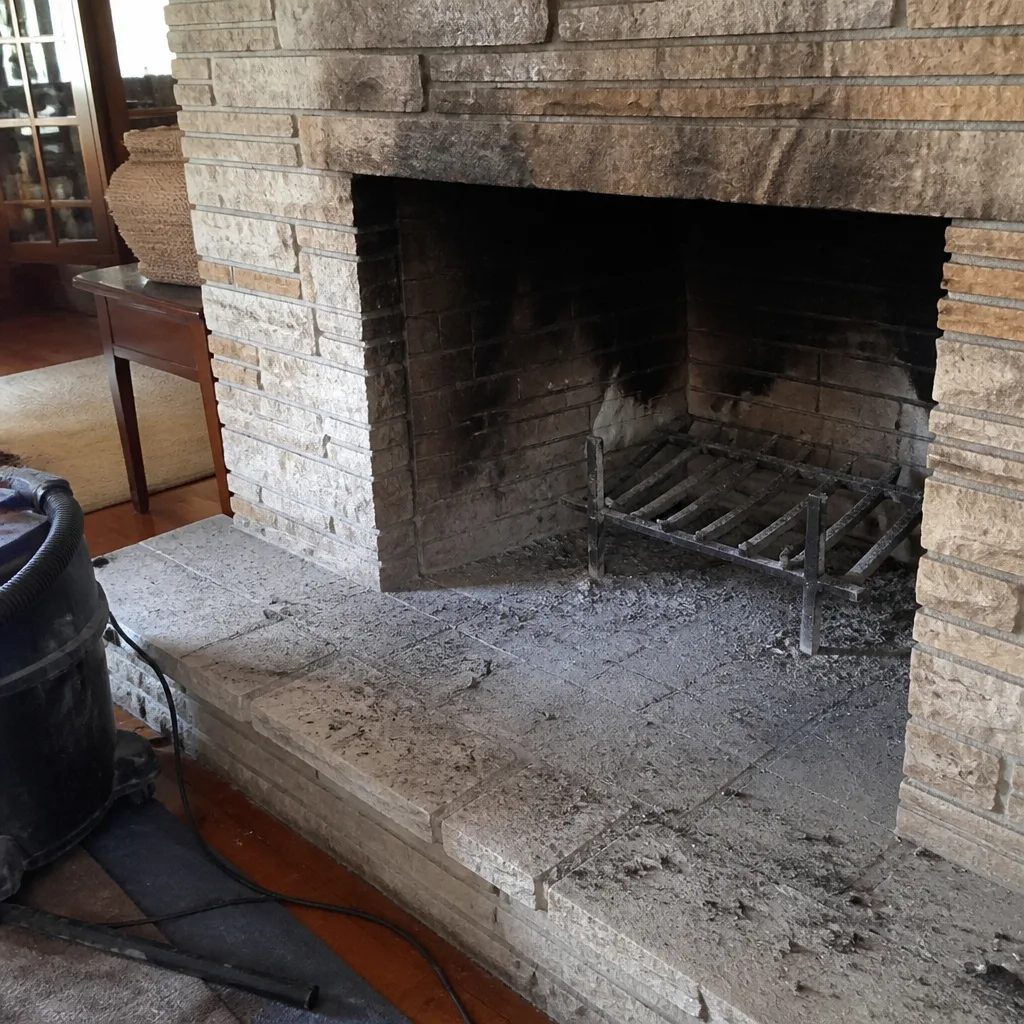
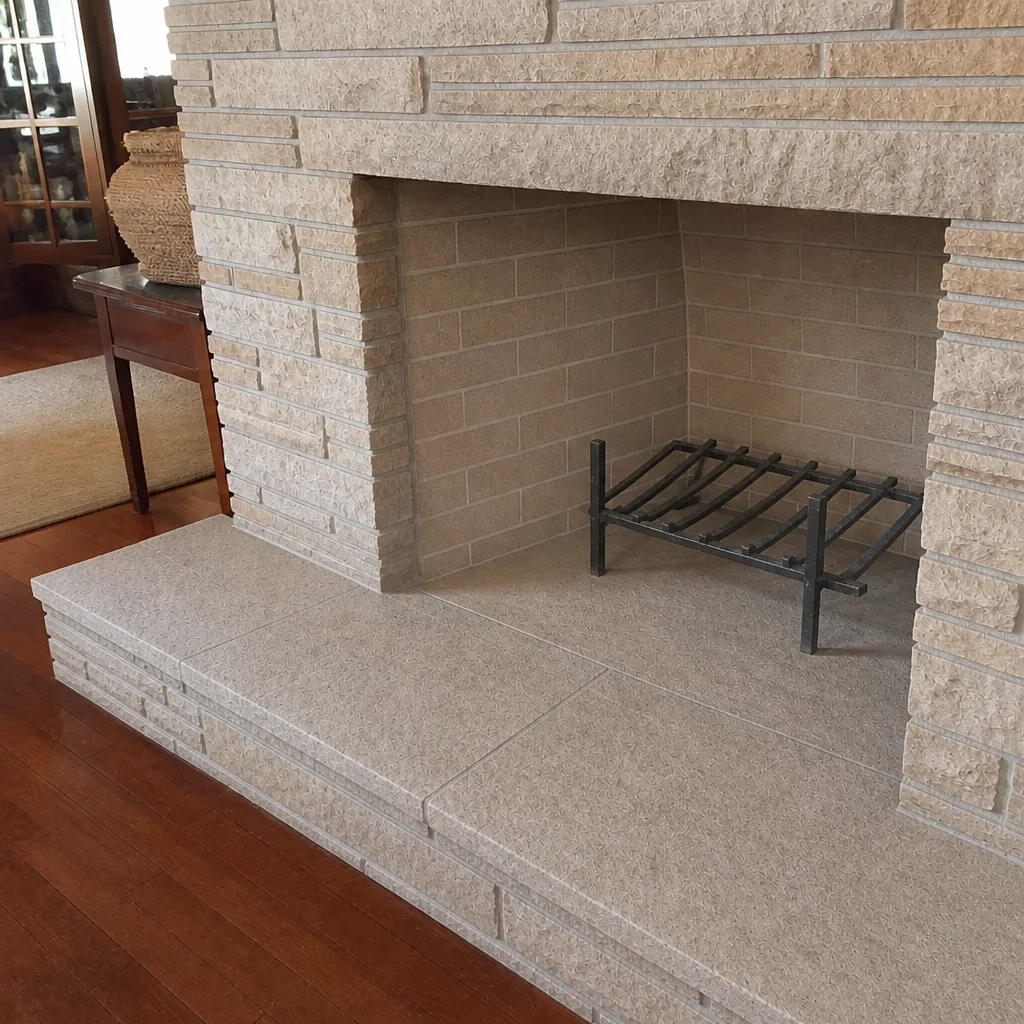
See the difference
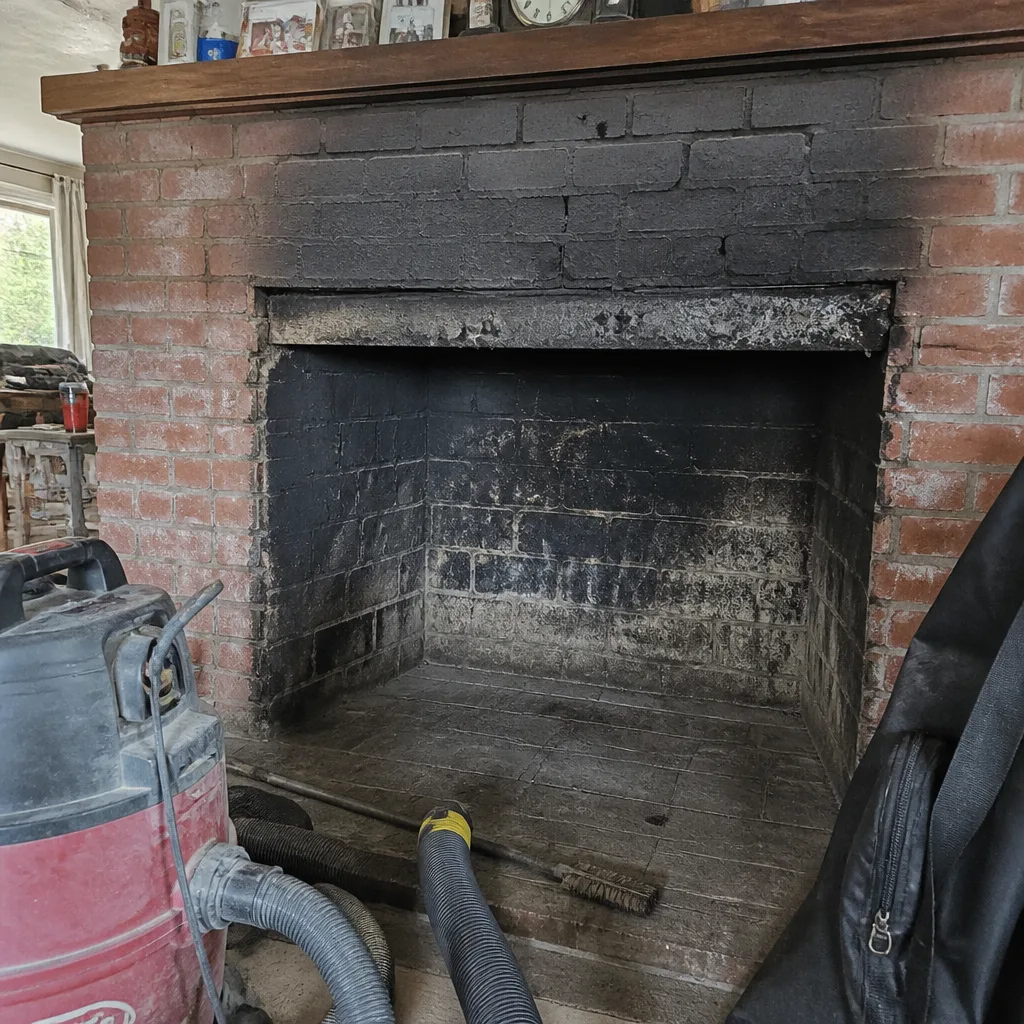 Before
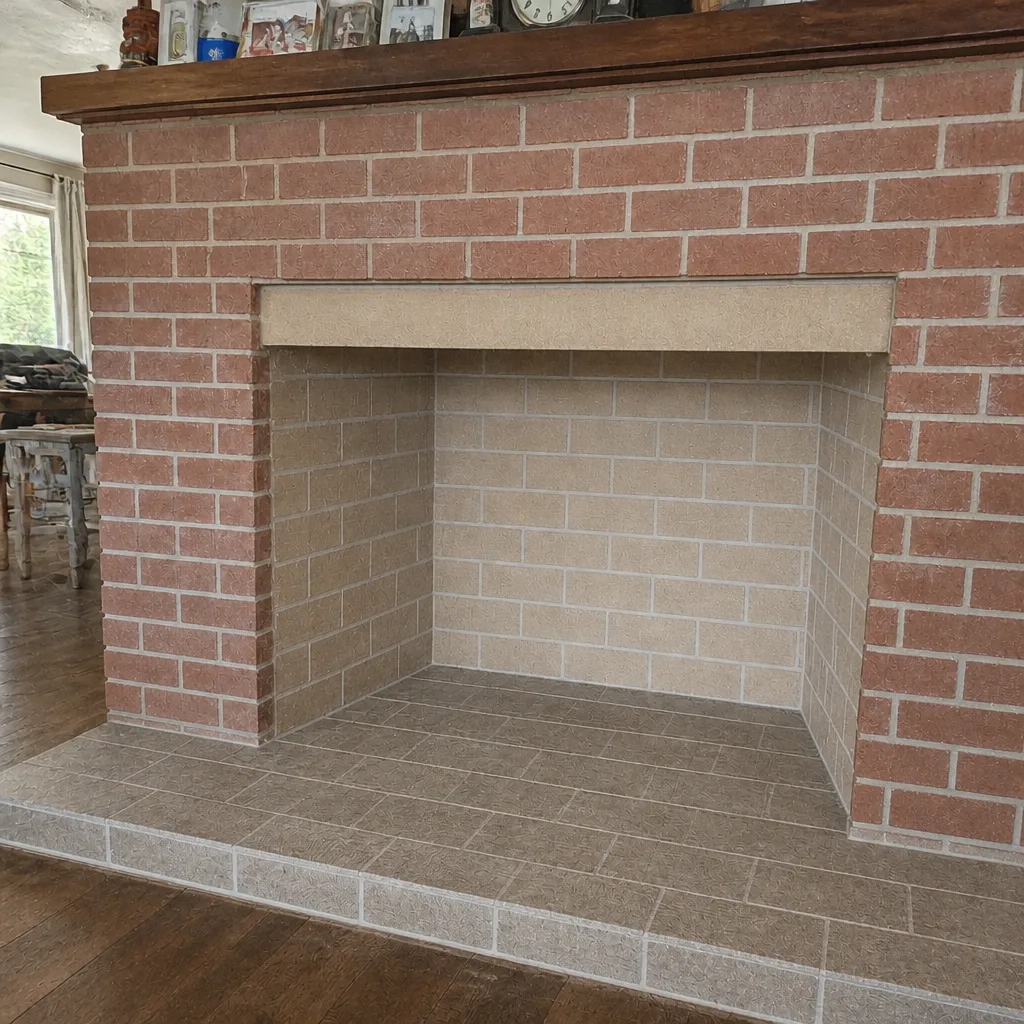 After
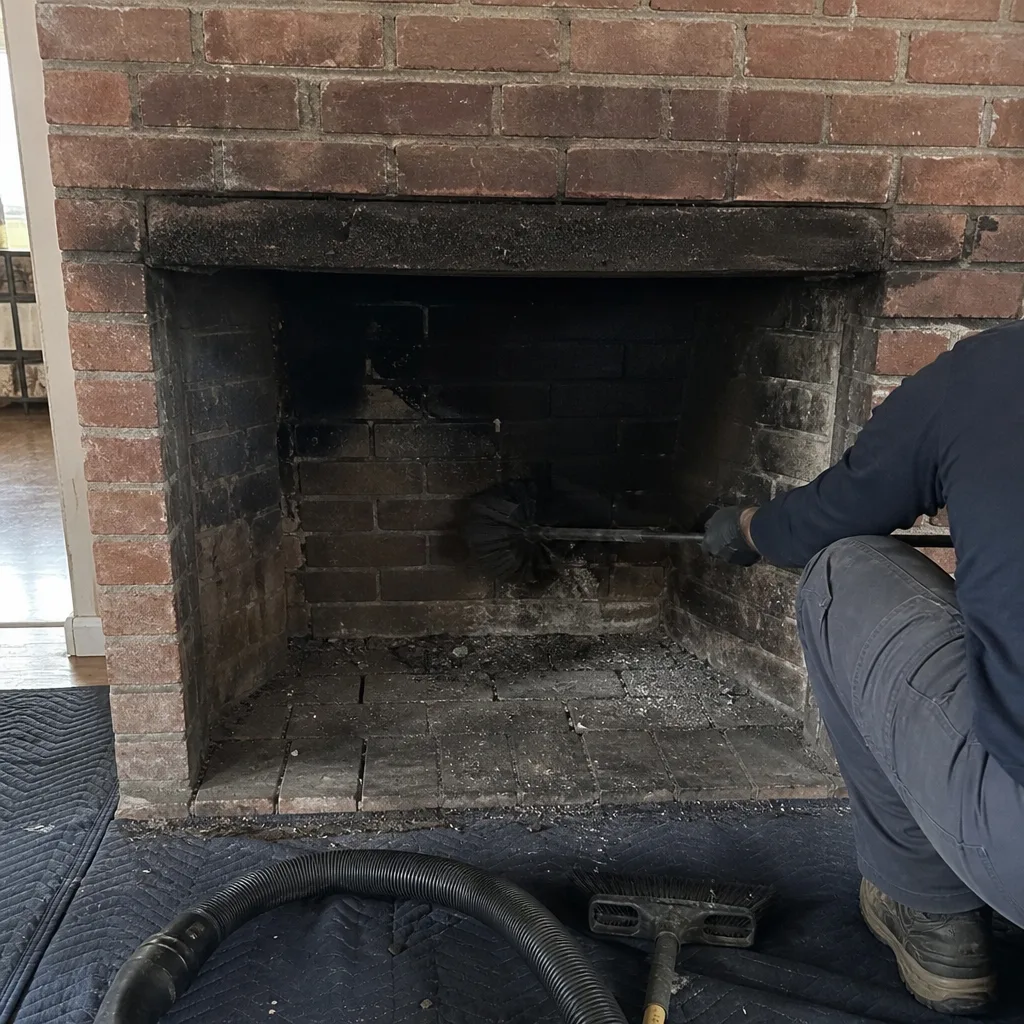 Before
 After
 Before
 After
When to Call a Professional
Some chimney issues are safe to note and some are a reason to stop burning until they’re checked. Call a professional if you smell a strong smoky or tar-like odor even with no fire burning, which can signal creosote buildup or a draft problem. Call if you’ve had a chimney fire, even a small one you think put itself out, because the liner needs a camera check afterward. Call before you close on an Englewood home so the camera inspection is done before the deal, and after any storm that damaged the cap or crown. Stop using the fireplace and call if you see cracked or missing tiles inside the firebox. Chimney Sweep Englewood offers free estimates in Englewood, and you can reach us at (866) 431-6293; the local pro we connect you with is licensed and insured as their state requires.
A note on safety: high heat, creosote, and combustion gases are not a do-it-yourself combination. Hard glazed creosote and cracked liners are a job for rotary equipment and a camera, used by someone trained to read the results. We’d rather you call and get a free estimate than reach into the flue yourself.
Frequently Asked Questions
Once a year for a wood-burning fireplace is the baseline, and more often if you burn heavily or notice glazed creosote. Englewood’s dry climate sets creosote harder and faster than humid climates, so the annual visit should include a camera check, not just a brush. If you burn wood as a secondary heat source on cold snaps, a yearly sweep with a Level 1 inspection is the right starting point. Call (866) 431-6293 for an exact quote on your setup; estimates are free.
Pricing depends on what the camera finds, so no honest quote comes before an inspection. A routine sweep with a Level 1 inspection is one job; adding rotary removal of glazed creosote or a Level 2 camera inspection changes the scope. Every sweep is a flat-price job agreed before we book, and the written estimate sets the final price. Call (866) 431-6293 for an exact quote; estimates are free.
Only if the camera shows the liner is too far damaged to restore. A cracked but structurally sound clay liner can often be resurfaced with HeatShield ceramic, which restores the interior without a full tear-out. When the liner is beyond resurfacing, a DuraFlex flexible liner is the industry-standard reline we use. Nothing gets recommended without camera evidence you can see for yourself, and we’ll tell you plainly when work can safely wait. Call (866) 431-6293 for an exact quote.
Creosote keeps building on the flue wall, and in Englewood’s climate it hardens into a glaze that catches fire more easily than soft soot. A chimney fire can damage the liner and let heat reach the surrounding masonry, and that damage isn’t always visible from the firebox. Carbon monoxide is the other concern: a blocked or damaged flue can let combustion gases back into the home. Booking a sweep is the simple way to avoid both. Call (866) 431-6293 for an exact quote; estimates are free.
A Level 1 checks the readily accessible parts during a routine cleaning, while a Level 2 adds a camera inspection of the full flue interior. Englewood homes from the 1950s through the 1980s often need a Level 2 because their original clay liners can crack invisibly. The Level 2 is also what you want on a resale or after a storm. Ask when you book and we’ll tell you which one fits.
Glazed creosote can usually be removed with rotary equipment that breaks the bond the glaze forms with the flue wall. It only points to a new liner when the camera shows the liner itself is damaged beyond resurfacing. HeatShield ceramic resurfacing can restore many liners that a basic sweep would call a lost cause. Call (866) 431-6293 to have it looked at; estimates are free.
The Bottom Line
Chimney cleaning in Englewood isn’t a one-size job, because the local climate changes the creosote. Dry, high-elevation air bakes deposits into a hard glaze faster than humid climates do, and the older brick homes in the city often carry original clay liners that need a camera to assess. A real cleaning follows a fixed sequence from the cap down to the smoke chamber, uses rotary equipment for glazed creosote, and ends with photo evidence of what was found. When something’s wrong, it’s fixed with trade-grade materials rather than referred out. For a free estimate on your chimney, call (866) 431-6293. We answer 24/7. Fast dispatch from 7am to 7pm, Sunday through Friday. You can also start with our chimney sweep service for a routine visit.
Written by the team at Chimney Sweep Englewood.