
Last updated November 24, 2026
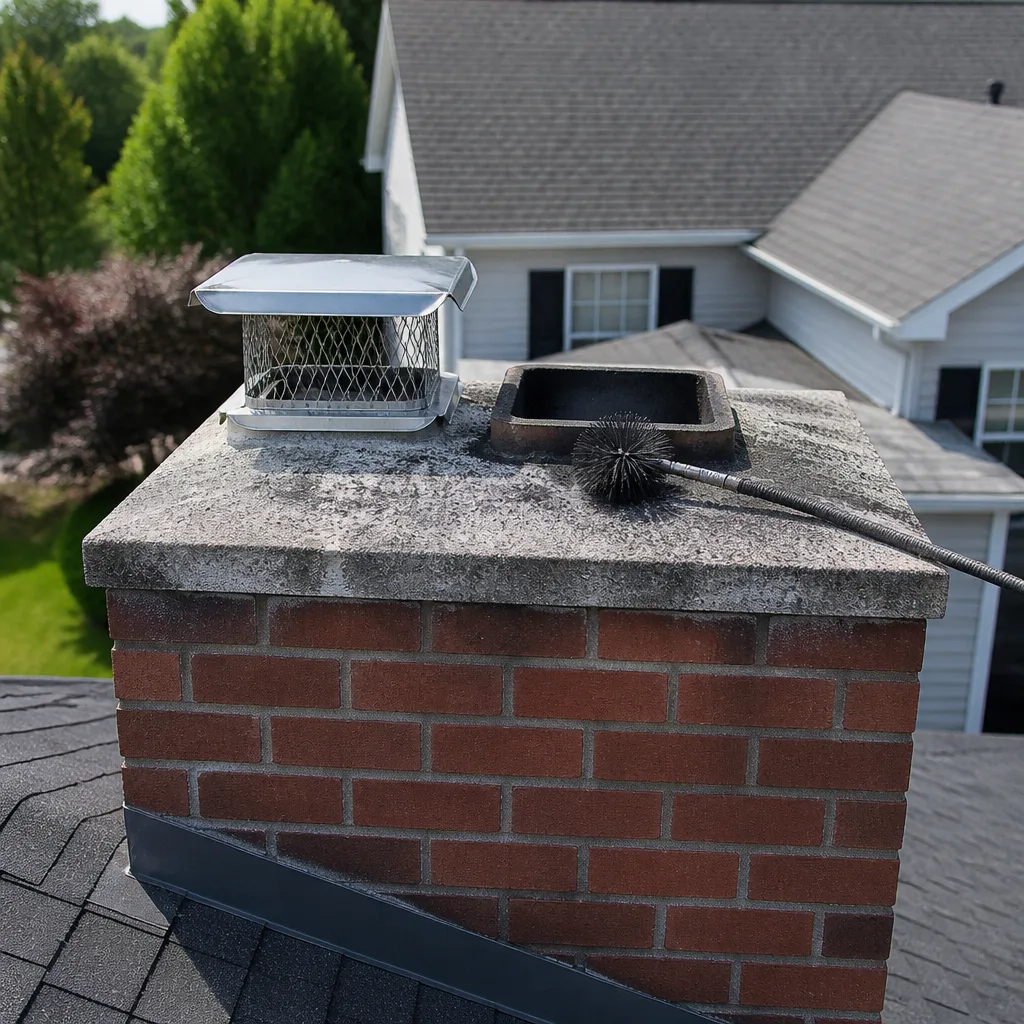 Sweep & inspection
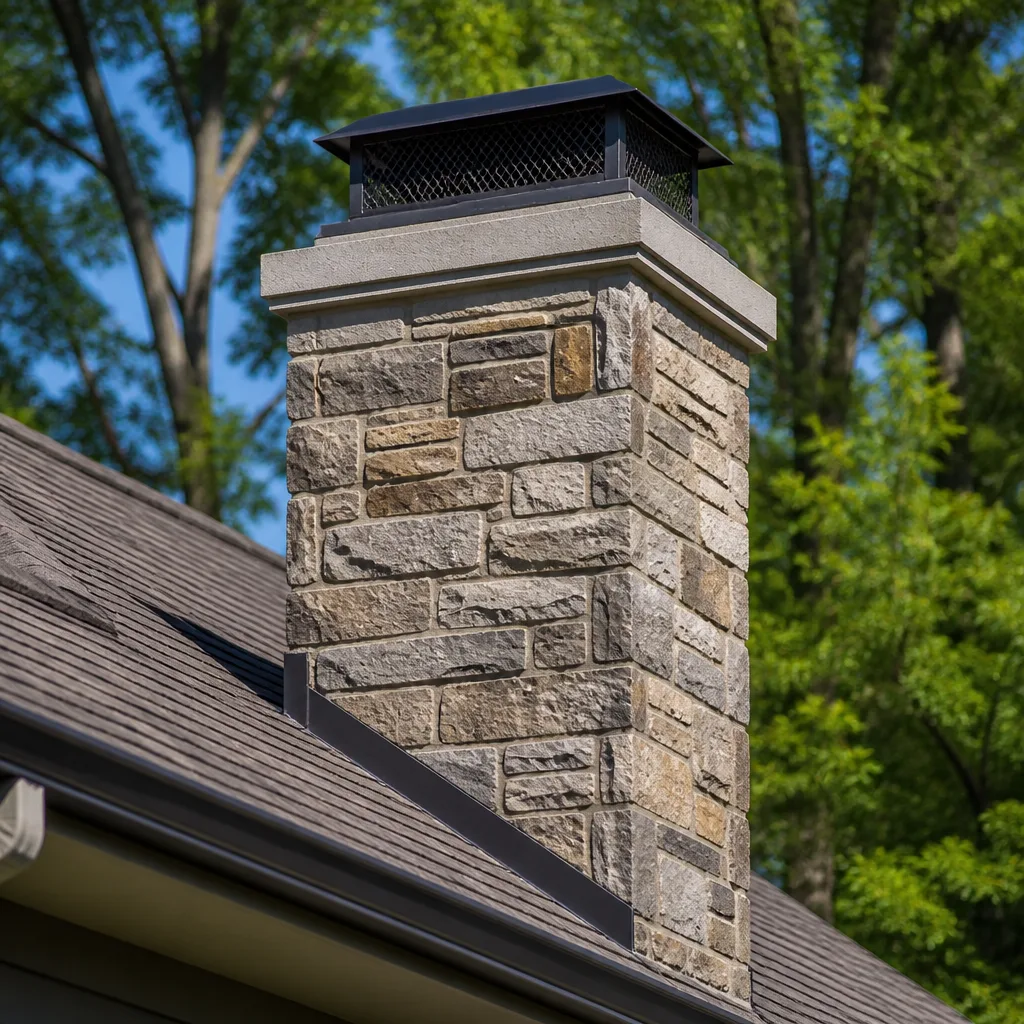 Caps & crowns
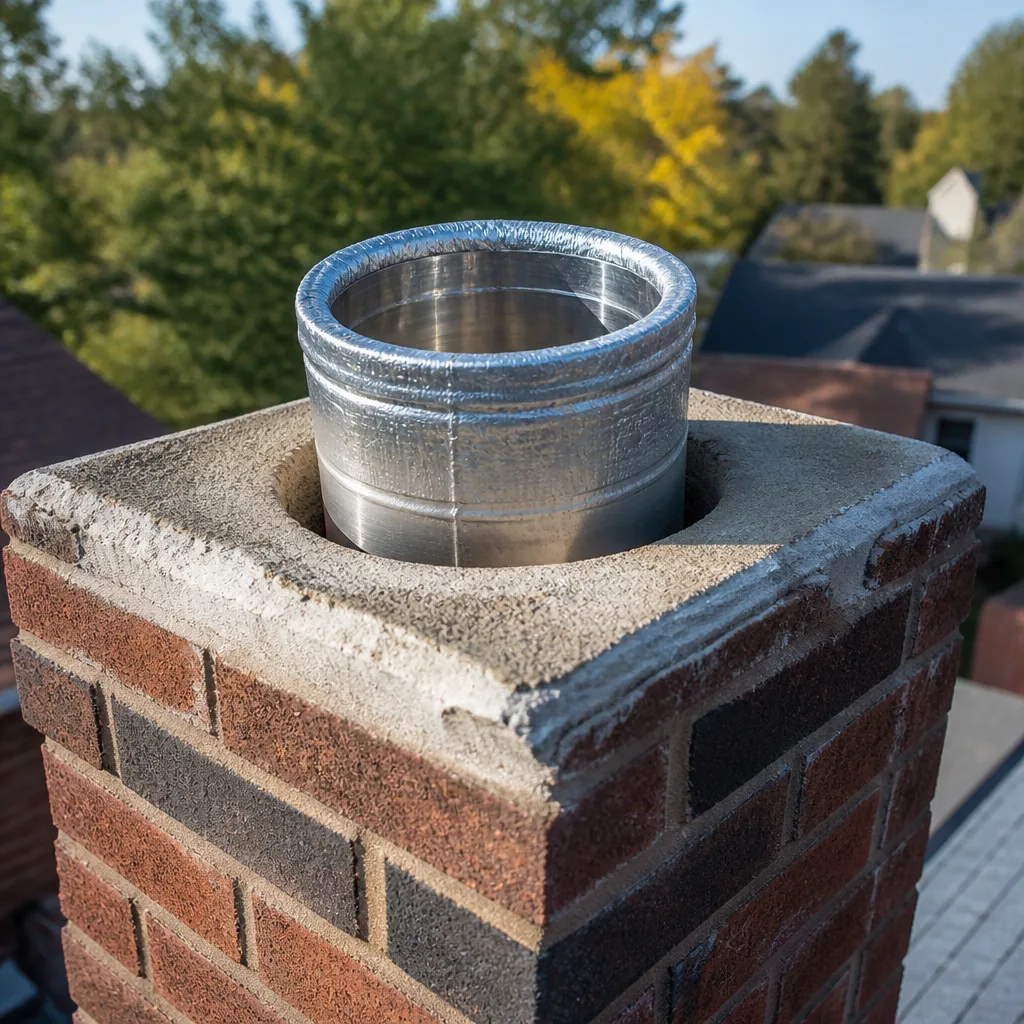 Flue relining
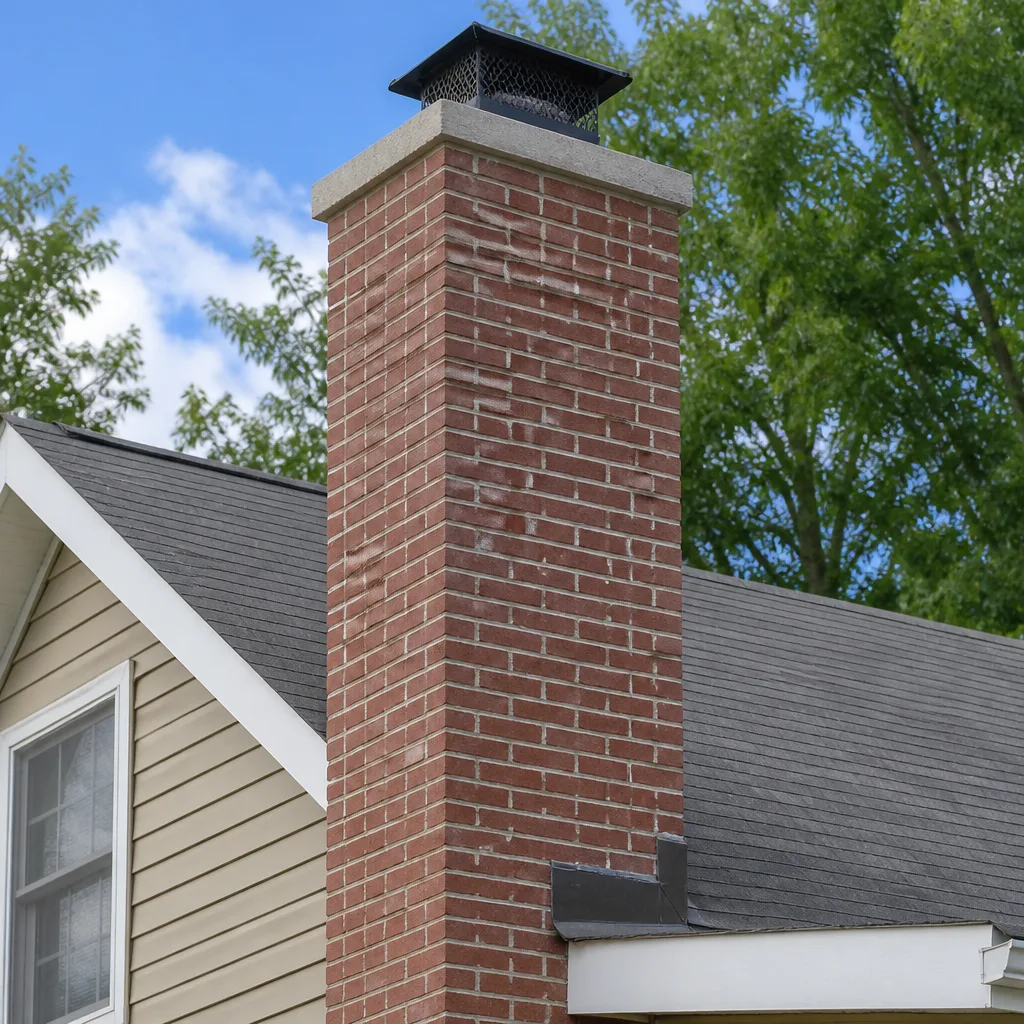 Masonry repair
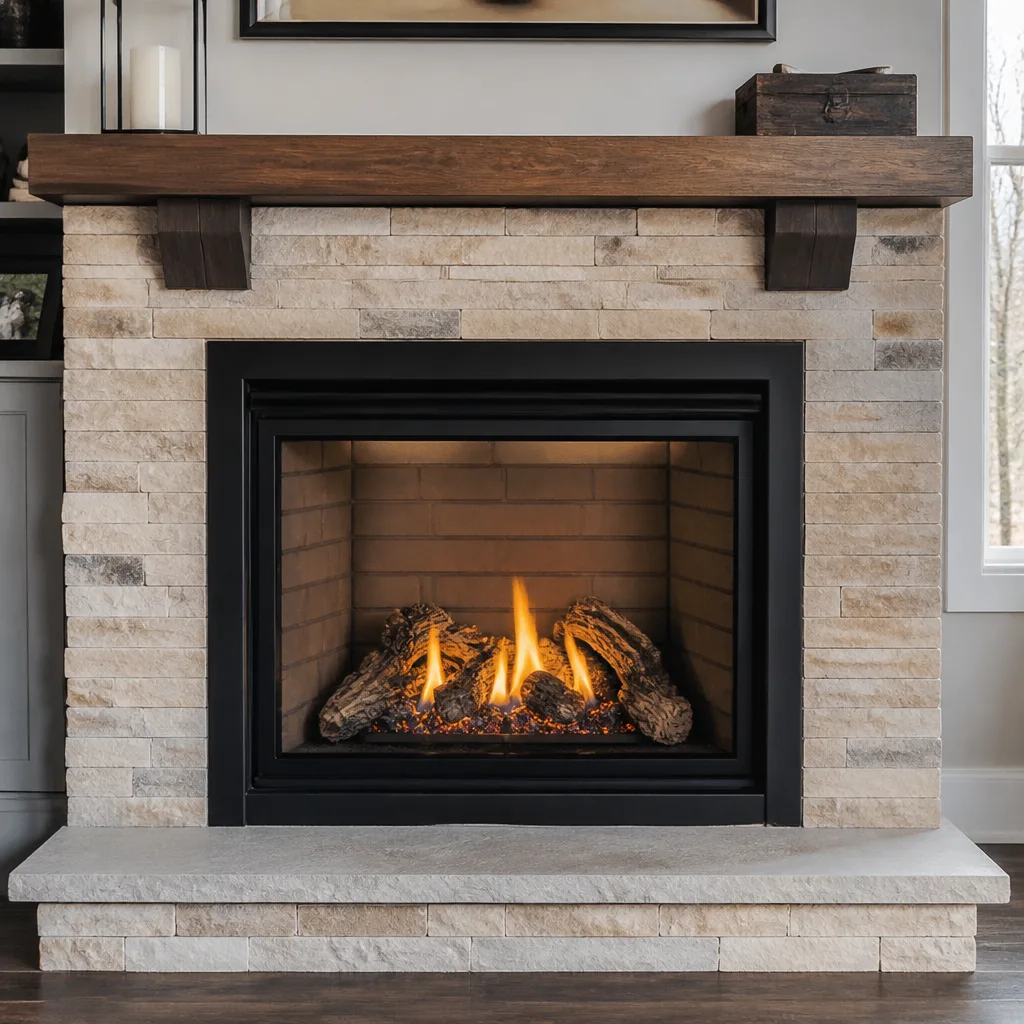 Gas fireplace service
Level 1 sweep and inspection to the NFPA 211 annual standard - flue, crown, cap, and flashing checked and photographed
Chimney sweep logs do not sweep chimneys. They loosen some creosote - which then falls where a brush and vacuum still have to collect it.
How to Hire a Chimney Cleaning Contractor in Englewood: A Step-by-Step Guide
Most homeowners in Englewood hire a chimney sweep the way they hire a plumber: whoever answers first, whoever quotes lowest. That’s the mistake. CSIA certification takes dedicated study and a proctored exam covering venting, combustion, and building science. A furnace company that added “chimney cleaning” to its website last year almost certainly doesn’t have a certified sweep on staff. This guide gives you a vetting framework built around that credential gap: what the letters mean, how to verify them in minutes, which red flags are specific to the Denver metro, and what a real estimate should spell out before you sign anything.
Quick Answer
Hire a dedicated chimney specialist, not a generalist adding chimney work as a side service. Verify CSIA certification directly on the CSIA website, confirm the technician has experience with the specific repair methods your chimney needs (liner resurfacing, relining, crown work), and insist on a written estimate that names the scope of work, the materials and brands, and whether camera inspection is included. In Englewood, a properly certified sweep is the difference between a cleaning and a real assessment of what your flue needs.
Styles & brands we work with
- Sweep & inspection
- Caps & crowns
- Flue relining
- Masonry repair
- Gas fireplace service
Table of Contents
- What CSIA, NFI, and NCSG Credentials Actually Mean
- How to Verify a Chimney Sweep’s Credentials Step by Step
- Red Flags Specific to the Denver Metro Chimney Market
- What a Proper Chimney Estimate Should Include
- Questions That Separate a Specialist from a Generalist
- Why the Cheapest Bid in Englewood Is Almost Always a Scope Problem
- How Englewood’s Climate Affects What Your Chimney Needs
- What a Professional Chimney Visit Looks Like
What CSIA, NFI, and NCSG Credentials Actually Mean
Three acronyms come up constantly in chimney work. They are not interchangeable, and knowing what each one certifies tells you immediately whether the person at your door is qualified for the job you’re hiring them for.
CSIA stands for Chimney Safety Institute of America. A CSIA Certified Chimney Sweep has passed a proctored exam on sweeping, inspection, venting, and combustion fundamentals, and must recertify on a cycle that keeps their knowledge current. It’s a professional credential held by an individual technician, not a sticker a company buys. The CSIA maintains a public lookup tool, which is the single most important verification step in this entire guide.
NFI stands for National Fireplace Institute. NFI certification is specific to hearth appliances: wood, gas, and pellet. A technician with NFI credentials has been tested on installation and service of the type of appliance you actually have. It’s a useful second data point, especially if your fireplace uses gas or pellet.
NCSG stands for National Chimney Sweep Guild. Membership signals that a company is part of the trade’s professional community, but it is membership, not a certification exam. On its own, NCSG membership doesn’t prove technical competence the way CSIA certification does.
Here’s the practical translation for an Englewood homeowner: CSIA certification is the baseline you should insist on for anyone cleaning or inspecting your flue. NFI adds confidence about your specific appliance. NCSG membership is a good sign but never a substitute for the first two. When a company says “We’re certified,” ask certified in what, by whom, and whether you can look it up.
How to Verify a Chimney Sweep’s Credentials Step by Step
Verification takes about five minutes and eliminates most of the risk in hiring. The steps below work for any chimney company operating in Englewood, including us. Run them.
- Ask for the individual technician’s name, not just the company name. Certification is held by a person. A company claiming “all our sweeps are certified” should be able to name who is coming to your home.
- Look that person up on the CSIA public locator. The CSIA maintains a searchable directory of certified sweeps. If the name doesn’t appear, the credential claim is overstated, regardless of what the website says.
- Ask for proof of insurance and confirm it covers chimney work. The local pro you hire should be licensed and insured as their state requires. General liability insurance is standard for a professional chimney company and should be easy for them to provide.
- Ask about NFI credentials if you have a gas or pellet appliance. Not every sweep holds NFI, but for a gas insert or pellet stove, it matters.
- Check that the company does the repair work itself, not just cleaning. Many “chimney cleaning” listings are cleaning-only outfits that hand off any repair to someone else. That handoff is where scope creep and miscommunication start.
- Ask what inspection standard they follow. A professional inspection at minimum follows a documented standard, and a good technician will be able to tell you the difference between a level-one visual inspection and a level-two camera inspection, and why they recommend one over the other.
If a company hesitates on any of these, that’s your answer. The best chimney companies welcome the questions because they’re used to being asked.
Red Flags Specific to the Denver Metro Chimney Market
The Denver metro has a crowded home-services market, and chimney sweeping has become an attractive line item for companies whose core business is something else. Here are the red flags we’d want an Englewood homeowner to watch for.
An HVAC company that also offers chimney cleaning. This is the most common pattern. Furnace and air-conditioning companies add “chimney cleaning” as a service page line item. The work is often subcontracted or performed by staff who have no CSIA certification. The cleaning may be adequate; the assessment usually isn’t, and their real interest is selling you furnace or duct services. If the company’s homepage leads with HVAC, ask hard about chimney credentials.
A roofing contractor offering “chimney checks.” Roofers see chimneys and may flag visible exterior issues, but a roofing contractor is not trained to assess a flue interior, a smoke chamber, or draft performance. A “check” from a roofer is not an inspection.
Storm-chasing crews after hail. The Denver metro gets significant hail events, and crews travel through afterward offering chimney repairs. Be extremely wary of anyone who arrives unsolicited after a storm, quotes a repair on the spot, and wants payment before work is done. A legitimate chimney specialist will schedule a proper inspection and give you a written estimate.
“You need a new liner” with no camera evidence. Liner replacement is legitimate work, but the recommendation should always come with a camera inspection you can see on screen and a written report. If a technician tells you the flue is compromised without showing you what they’re seeing, that’s a red flag in any market, and especially in a market where liner upsells are common.
Quotes delivered before the technician has seen the flue. A real estimate follows an inspection. A phone number out of the air before anyone looks inside is a sales number, not an estimate.
What a Proper Chimney Estimate Should Include
The estimate is where hiring decisions are won or lost. A chimney estimate that’s just a flat dollar amount tells you almost nothing. Here’s what ours includes, and what you should insist on from anyone you hire in Englewood.
- Scope of work in plain language. What gets cleaned, what gets inspected, what gets repaired. “Chimney cleaning” is too vague. “Sweep the flue and firebox, level-one inspection, brush and vacuum” is a scope.
- Liner access and camera inspection options. If the flue needs camera work, the estimate should say whether that’s included or an add-on, and why it’s recommended. Camera inspection with a photo report is the single best defense against being sold work you don’t need.
- Materials and brands named. If liner work is on the estimate, the estimate should name the liner system. If cap work is included, it should name the cap. An estimate that says “new liner” with no brand is an estimate you can’t compare to anything else.
- Access and cleanup. How the technician gets onto the roof, how the work area is protected, and how debris is handled.
- A clear line between “now” and “later.” A good estimate tells you what needs doing before the next burning season, what can safely wait, and why. Not everything urgent is urgent.
What you should not see on a proper estimate: pressure to decide today, a scope that omits inspection but includes repairs, or a flat number that was quoted before anyone looked at the flue. If you want to understand what a good quote looks like for our own work, see the details on our Chimney Sweep Englewood page.
Questions That Separate a Specialist from a Generalist
The single best filter is a set of questions a generalist can’t answer and a specialist answers without rehearsing. Ask these before you book.
- “What liner material do you work with for a relining job, and why?” A specialist will talk about specific stainless flexible liner systems and the conditions that determine which one fits your flue. At Chimney Sweep Englewood, we specify DuraFlex liner systems because they’re the product line certified chimney professionals specify for durability and code compliance. A generalist will say “we use stainless steel,” which tells you nothing.
- “How do you repair a deteriorated smoke chamber?” The smoke chamber is the area above the damper and below the flue. It’s one of the most commonly neglected parts of a chimney and one of the hardest to repair well. A specialist will have a method. We use HeatShield ceramic resurfacing, which restores a deteriorating flue or smoke chamber without a full tear-out. Most basic sweep services can’t offer it at all. Ask whether your liner qualifies.
- “What brands do you install for chimney caps and crowns?” A specialist names dedicated chimney supply lines. We install Gelco and Famco caps and covers, sourced from the trade, not generic hardware. A generalist will say “we get whatever the supply house has.”
- “Can you show me the camera footage?” A specialist answers yes without hesitation and provides a report you can keep. A generalist often can’t because they didn’t bring a camera.
- “Do you do the repair work yourself, or hand it off?” You want one call to cover inspection, cleaning, repair, and cap work with no second contractor involved. A company that hands off is a company that can’t be held to the full scope.
- “What happens if my chimney needs structural work beyond a sweep?” A specialist has an answer because structural chimney repair is part of their scope. A generalist changes the subject.
Why the Cheapest Bid in Englewood Is Almost Always a Scope Problem
We’ve been asked many times why the low bid across town is significantly lower than ours. The answer is rarely a better deal. It’s a smaller scope dressed up as the same job.
The cheapest chimney cleaning quote typically omits one or more of the following:
- Camera inspection. A sweeps-only visit without camera work is cheaper because it’s a different service. It’s fine for a routine cleaning, but it cannot assess the flue interior, which is what matters when you don’t know the condition of your chimney.
- Written report with photos. Cheaper quotes frequently don’t include a report. That means when you sell the house or have a future repair evaluated, you have no record of what was found.
- Proper liner verification. A low quote often doesn’t include checking the liner’s condition, which is exactly the part of a chimney that matters most in a fire or carbon monoxide risk.
- Debris removal and cleanup. Some quotes don’t include hauling debris or protecting your home interior. The price reflects the missing scope, not a better deal.
- Repair scope after inspection. The cheap quote is a cleaning price. The repair price is a separate number you’ll be quoted later, often after the cleaning is done, when you’re more likely to say yes.
None of that is malicious in every case. Some cleaning-only outfits are honest about what they do. But if you compare two chimney quotes in Englewood, compare what each includes, not just the number at the bottom. The right comparison is written scope to written scope. Our goal is a flat-price sweep agreed before booking, with the estimate setting the final price.
How Englewood’s Climate Affects What Your Chimney Needs
Englewood sits on the western edge of the Denver metro, and the local climate shapes chimney problems in ways that coastal or humid-climate chimney advice doesn’t cover. Three things stand out.
Dry air and freeze-thaw cycles. Englewood’s climate is dry overall, with cold winters and repeated freeze-thaw cycles. That cycling is hard on masonry. Water gets into mortar joints and cracks, freezes, expands, and works the masonry apart over seasons. That’s why cap and crown work matters more here than a cleaning-only service will ever tell you. A missing or damaged cap lets water into the flue; a deteriorated crown lets water into the chimney structure. Installing and replacing caps and crowns addresses the root cause of water intrusion rather than just the symptoms, and it’s part of why our cap and crown work is done with Gelco and Famco products from dedicated chimney supply lines rather than generic hardware.
Winter burning patterns. Englewood homeowners run wood-burning fireplaces and stoves heavily through the colder months, then shut them off. That seasonal pattern means creosote accumulates during the burning season and sits through the dry months. By the time the next season arrives, a sweep is overdue. Late summer and early fall are the practical window to get a cleaning and inspection done before the first fire.
Dry, windy conditions and draft. The Front Range’s frequent wind and dry air can affect draft and pull debris into caps and flues. A chimney that drafts poorly in Englewood often has a partial obstruction or a flue dimension problem that only a camera inspection will reveal. If your fireplace smokes when you light it, that’s a sign to get an inspection rather than keep burning.
What a Professional Chimney Visit Looks Like
Knowing what a professional visit looks like means you can tell within the first thirty minutes whether the person at your door is a specialist or a generalist with a brush.
A thorough chimney visit starts with an exterior look at the cap, crown, and flashing, then moves to the interior. Inside, the technician protects the work area, sets up a HEPA vacuum, and sweeps the flue and firebox. The firebox, damper, and smoke chamber get inspected. If the condition warrants it, the technician runs a camera up the flue and shows you the footage on a screen. That’s the moment that matters most. You see what they see.
Before any work is booked, you should have a written estimate and a clear answer about what needs doing now, and what can safely wait. This is where a dedicated specialist differs from a cleaning-only outfit. A furnace company that added chimney cleaning to its services usually can’t show you the flue, can’t quote liner repair, and can’t install a cap. A specialist can. Five core services under one call: chimney sweep, inspection, chimney repair, fireplace repair, and cap and crown work. Our technicians have up to 13 years of experience working with the same materials chimney professionals specify by name, not generic hardware-store alternatives.
If you want to understand more about the cleaning side of the visit, our page on the chimney sweep service covers what’s involved. If you already know you need repair, chimney repair details the scope we handle.
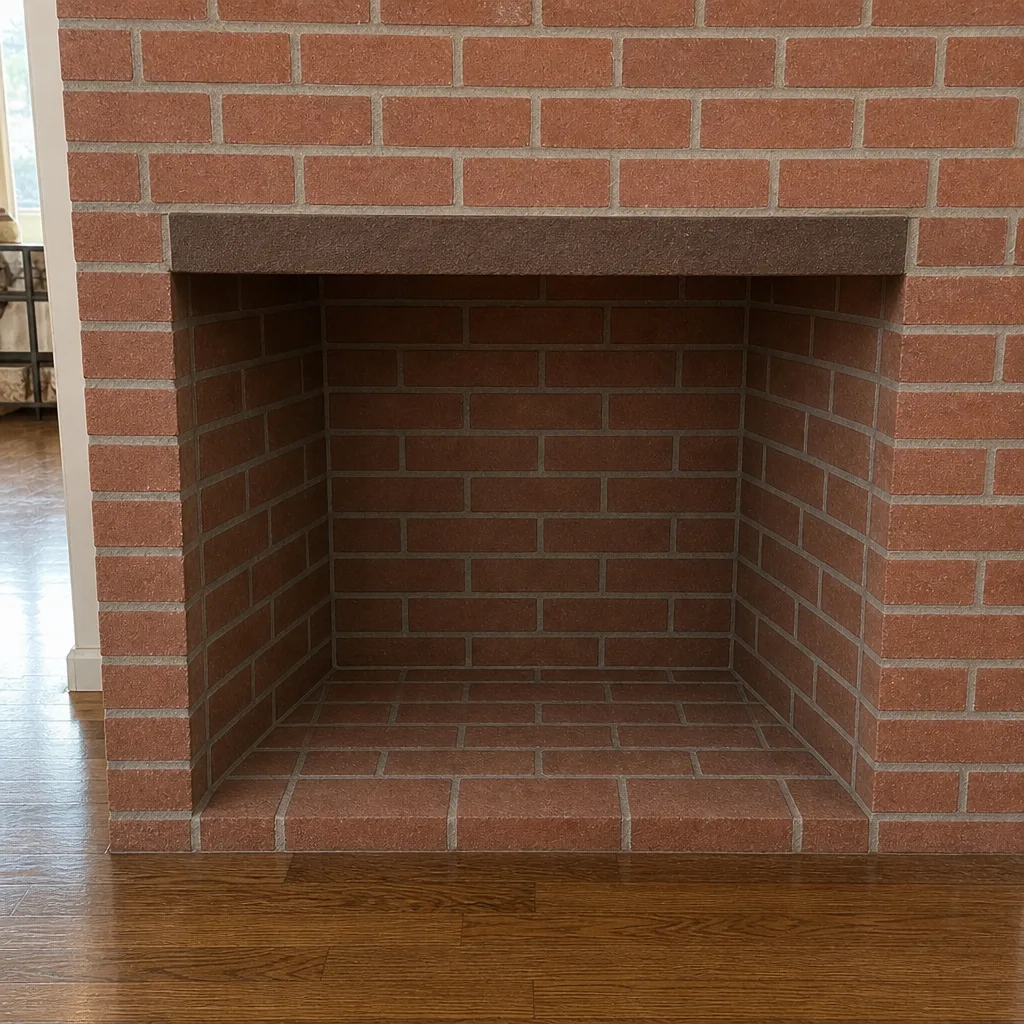
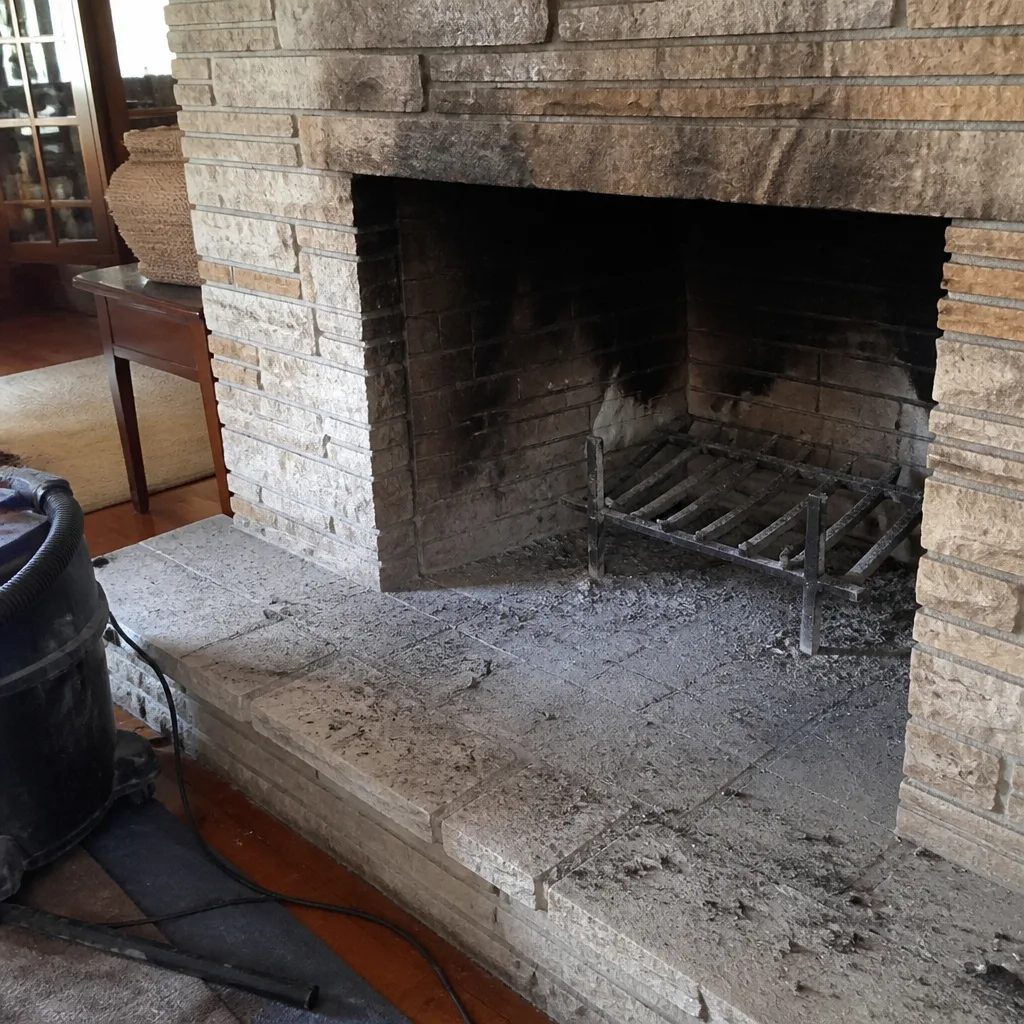
See the difference
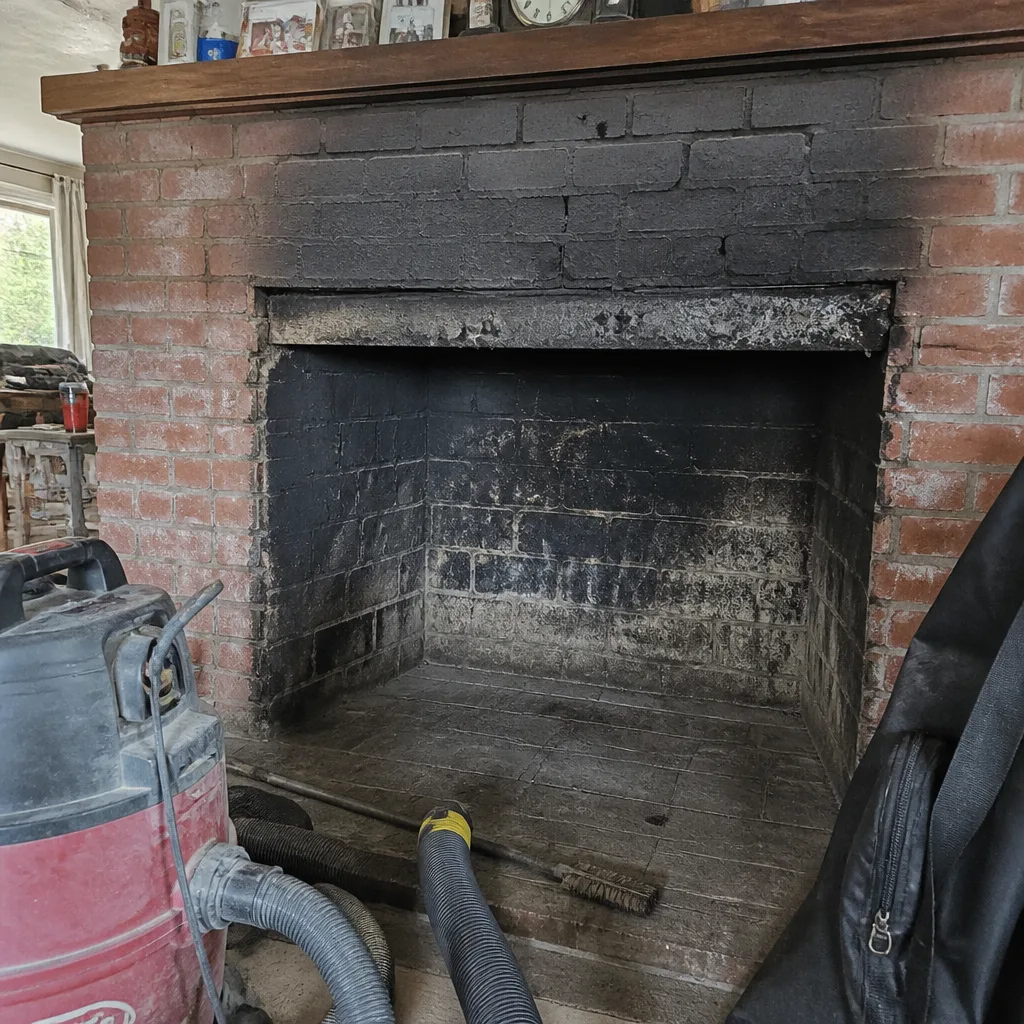 Before
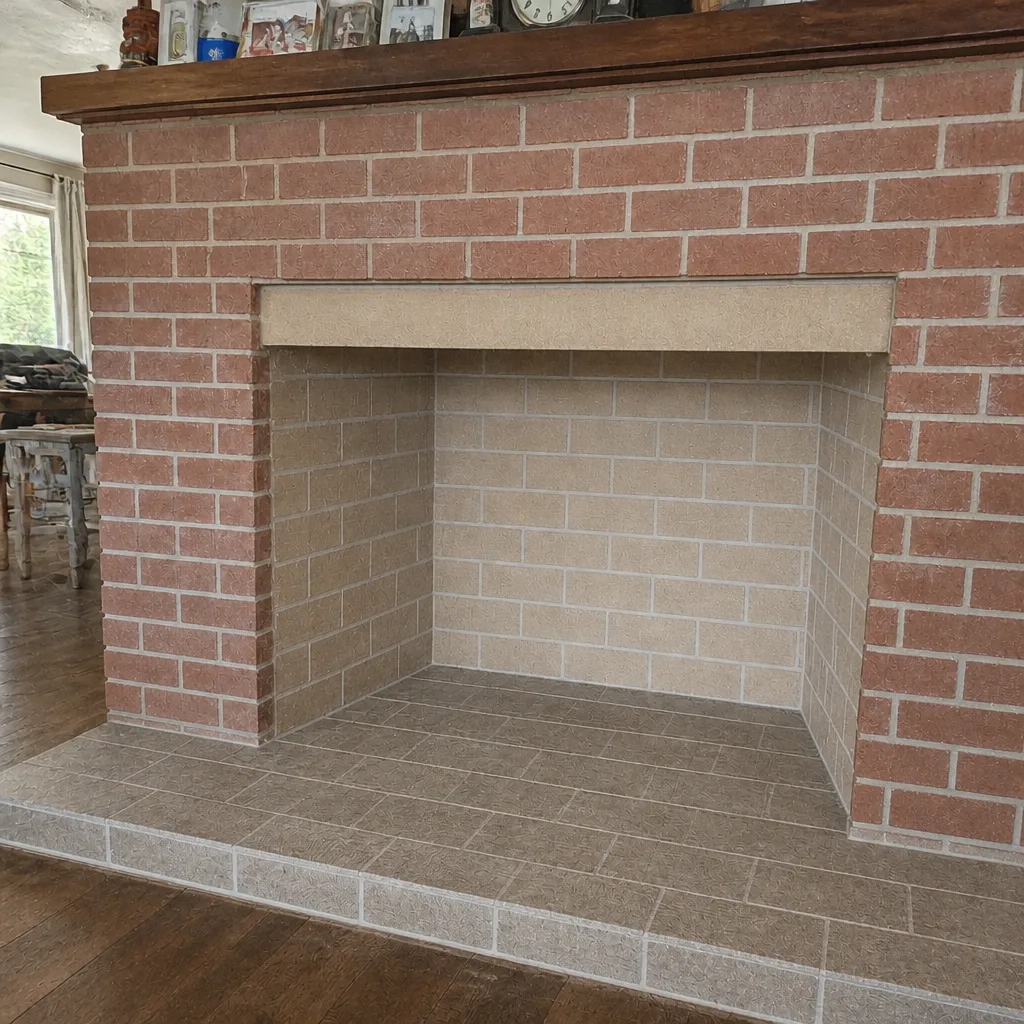 After
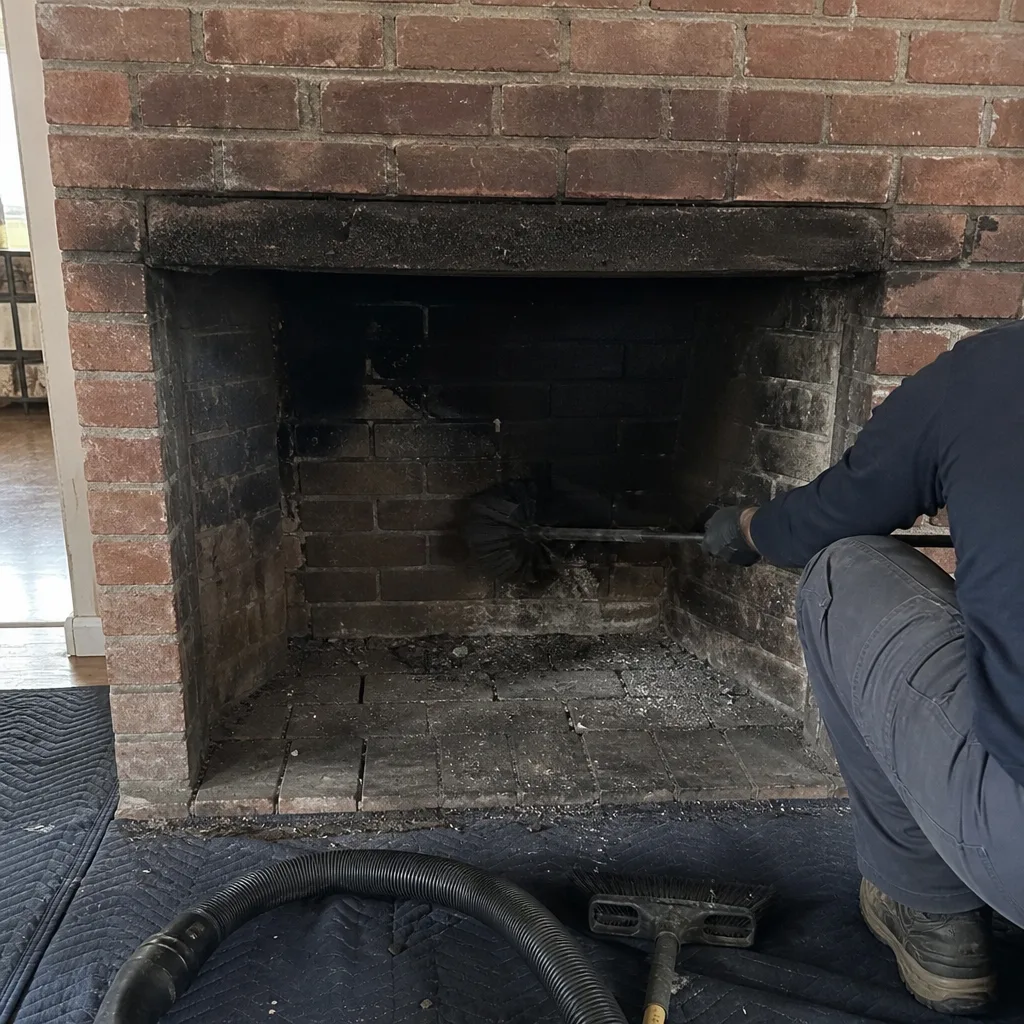 Before
 After
 Before
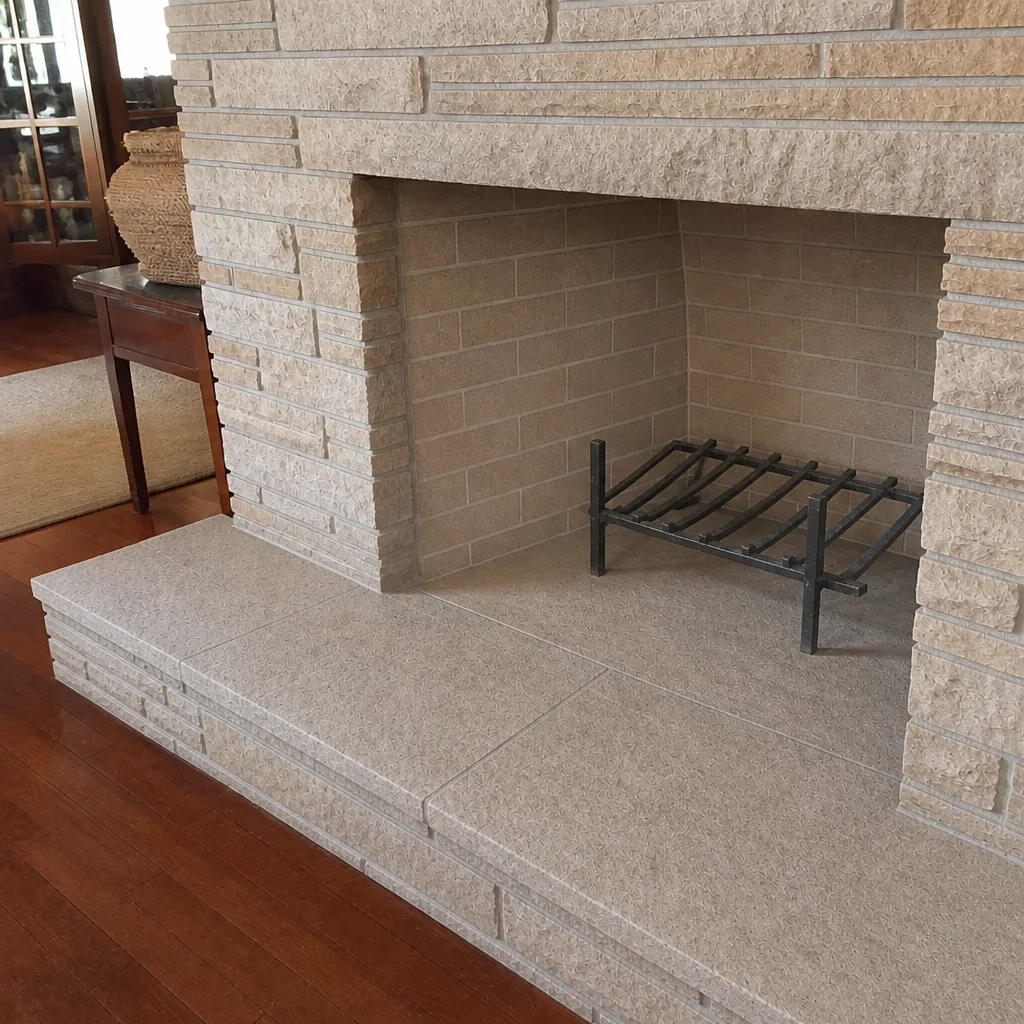 After
Common Mistakes to Avoid
- Hiring based on the first quote you receive. The first quote is not a benchmark. Get at least two written estimates that name scope and materials, and compare them line by line. Two numbers without scopes are not comparable.
- Accepting “certified” without verifying who is certified. CSIA certification belongs to a person. Look up the technician’s name on the CSIA directory before you book.
- Hiring an HVAC or roofing company for chimney work. These companies may do a competent sweep, but they’re not specialists. They usually can’t assess your liner, offer HeatShield resurfacing, or install a cap. The cleaning you save the trouble of is worth less than the assessment you’re not getting.
- Booking without camera inspection because it’s “extra.” A cleaning alone doesn’t tell you what shape your flue is in. If you don’t know your chimney’s condition, a camera inspection is the cheapest way to find out.
- Assuming a quote quoted over the phone is final. A real estimate follows an inspection. If the number was given before anyone saw the flue, treat it as a placeholder.
- Skipping the sweep because the fireplace still lights. A fireplace that lights fine can still have a creosote buildup or a liner problem. Sweeping is preventive. It’s one of the least expensive things you can do to reduce risk.
- Letting a storm-chaser quote a repair the day after a hail event. Any post-storm pitch that demands a decision on the spot should be declined. Wait for a scheduled inspection and a written scope.
When to Call a Professional
Some chimney issues are obvious and dangerous: a strong creosote smell, visible creosote buildup, smoke backing into the room, a cap that’s missing or damaged, or water staining around the firebox. Those are calls to make now. Others are subtler: a fireplace that used to draw well and now doesn’t, a fire that burns slowly or smolders, an annual sweep you can’t remember the date of. If any of those fit, get a professional assessment. Chimney fire and carbon monoxide risk are both related to the parts of a chimney a homeowner can’t see, which is exactly the part a trained specialist can inspect. Call a pro before the burning season, not after. Chimney Sweep Englewood offers free estimates in Englewood. Call (866) 431-6293. We answer 24/7. Fast dispatch from 7am to 7pm, Sunday through Friday.
Frequently Asked Questions
Once a year is the general rule for a wood-burning fireplace, and more often if you burn heavily or burn unseasoned wood. If you can’t remember the last sweep, book one before the next burning season. Call (866) 431-6293 for an exact quote; estimates are free.
A chimney sweep is typically priced per job and set by a written estimate after an inspection, because a cleaning and a cleaning-plus-camera-inspection are different services. The right number to compare is the written scope, not the phone quote. Call (866) 431-6293 for an exact quote; estimates are free.
Not always, and that’s the point. A liner recommendation should come with a camera inspection and a photo report you can see for yourself. If the liner is compromised, relining is the fix, and DuraFlex liner systems are what we specify. If it’s not, we’ll tell you it can wait. Call (866) 431-6293 for an exact quote; estimates are free.
A sweep is the cleaning. An inspection is the assessment of what condition the chimney is in. A sweep tells you the flue is clean; an inspection tells you what shape the flue, smoke chamber, cap, and crown are actually in. You need both, and a specialist provides both in the same visit. Call (866) 431-6293 for a quote; estimates are free.
Creosote builds up on the flue walls season after season. The risk is a chimney fire, and the related risk is carbon monoxide if the flue is blocked or venting poorly. Skipping a sweep doesn’t create a hazard on one skipped season, but it removes the annual check that would catch one. Call (866) 431-6293 for an exact quote; estimates are free.
They can run a brush, but the credential gap is the real issue. A generalist usually can’t do a camera inspection, can’t quote a liner repair, and can’t install a cap or crown. CSIA and NFI certification tell you the person doing the work has been tested on the systems they’re working on. Call (866) 431-6293 for an exact quote; estimates are free.
The Bottom Line
Hiring a chimney sweep in Englewood comes down to three things: verify the certification directly on the CSIA directory, ask the questions only a specialist can answer (liner material, smoke chamber repair, cap and crown brands), and compare written scopes instead of flat numbers. The cheapest bid is usually a scope problem, and the most expensive mistake is hiring a generalist for a job that needs a specialist. Whether your chimney needs a routine sweep, a camera inspection, or a repair, you should know exactly what you’re paying for before you book. One call should cover inspection, cleaning, repair, and cap work, with no second contractor needed. If you’d like to start the conversation, call (866) 431-6293 for a free estimate. We answer 24/7. Fast dispatch from 7am to 7pm, Sunday through Friday, closed Saturday.
Written by the team at Chimney Sweep Englewood.