
Last updated November 24, 2026
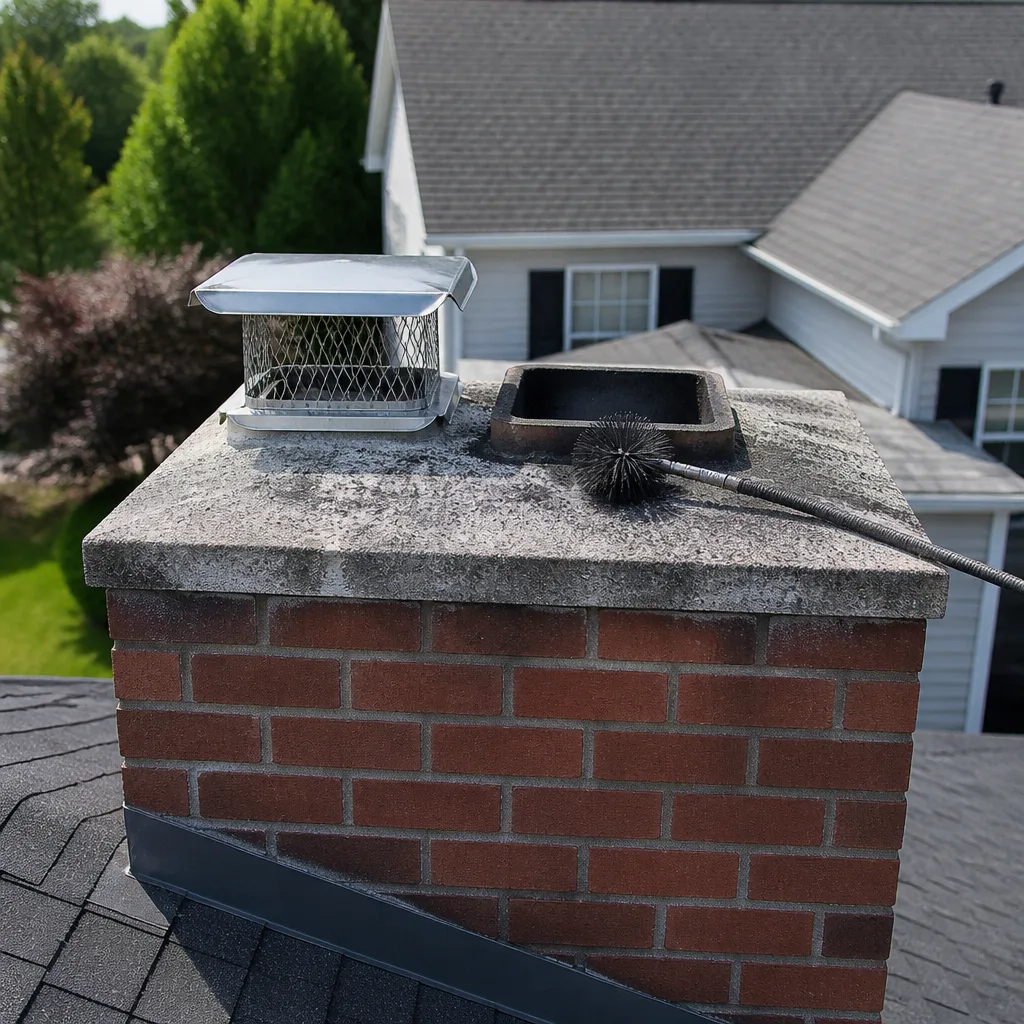 Sweep & inspection
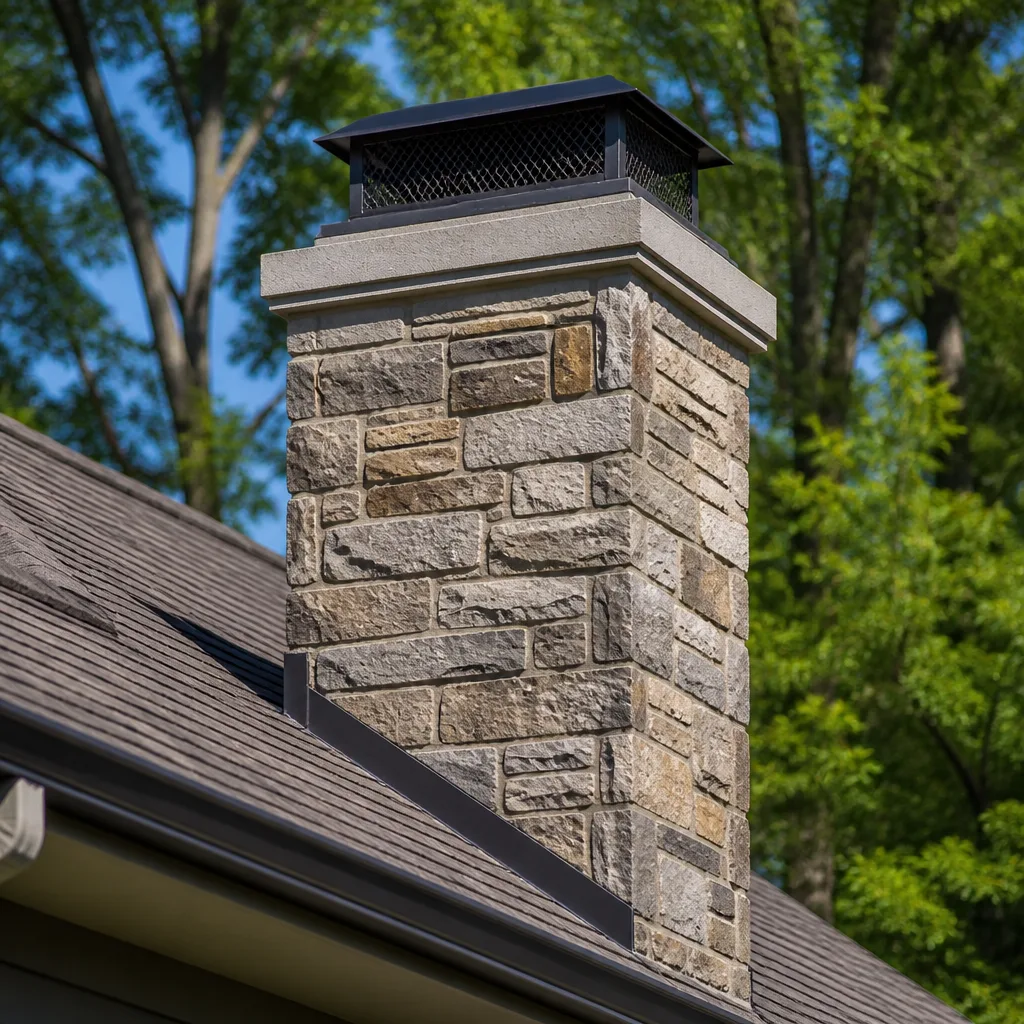 Caps & crowns
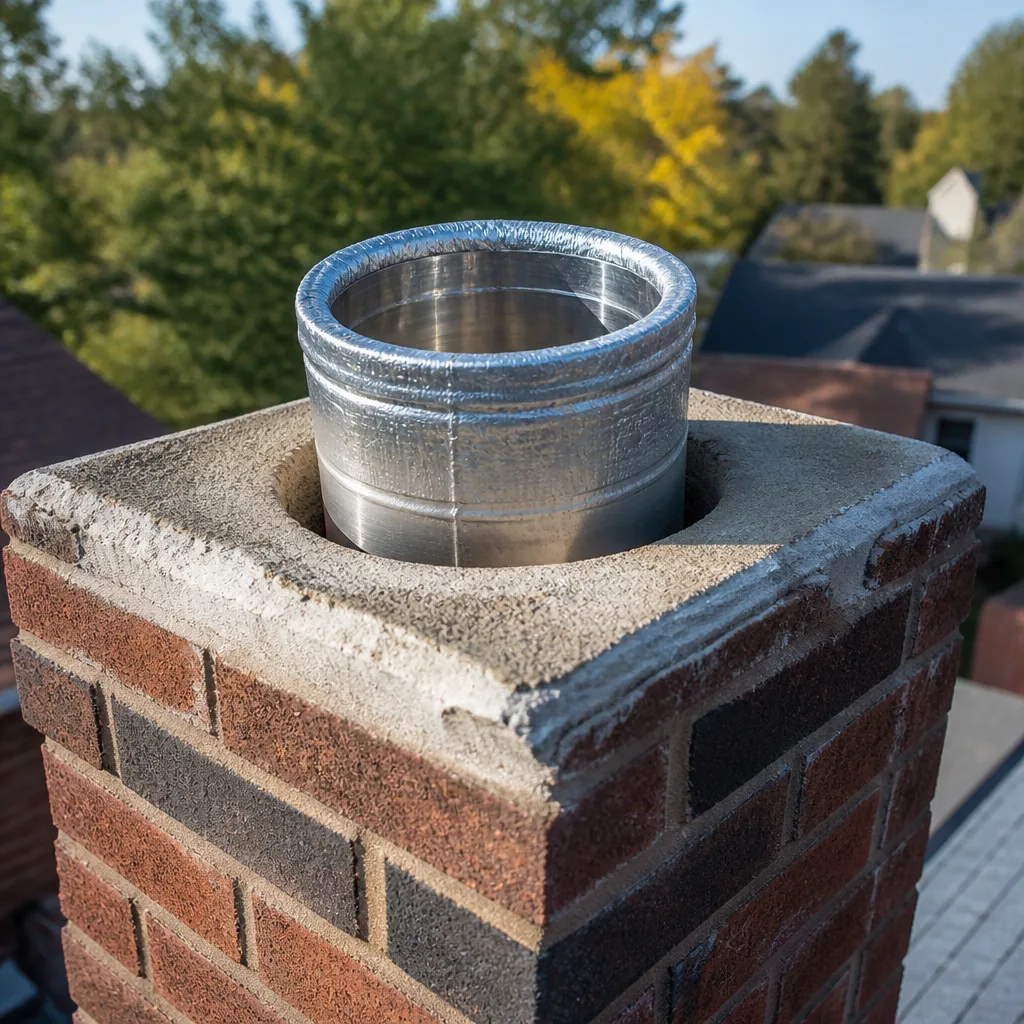 Flue relining
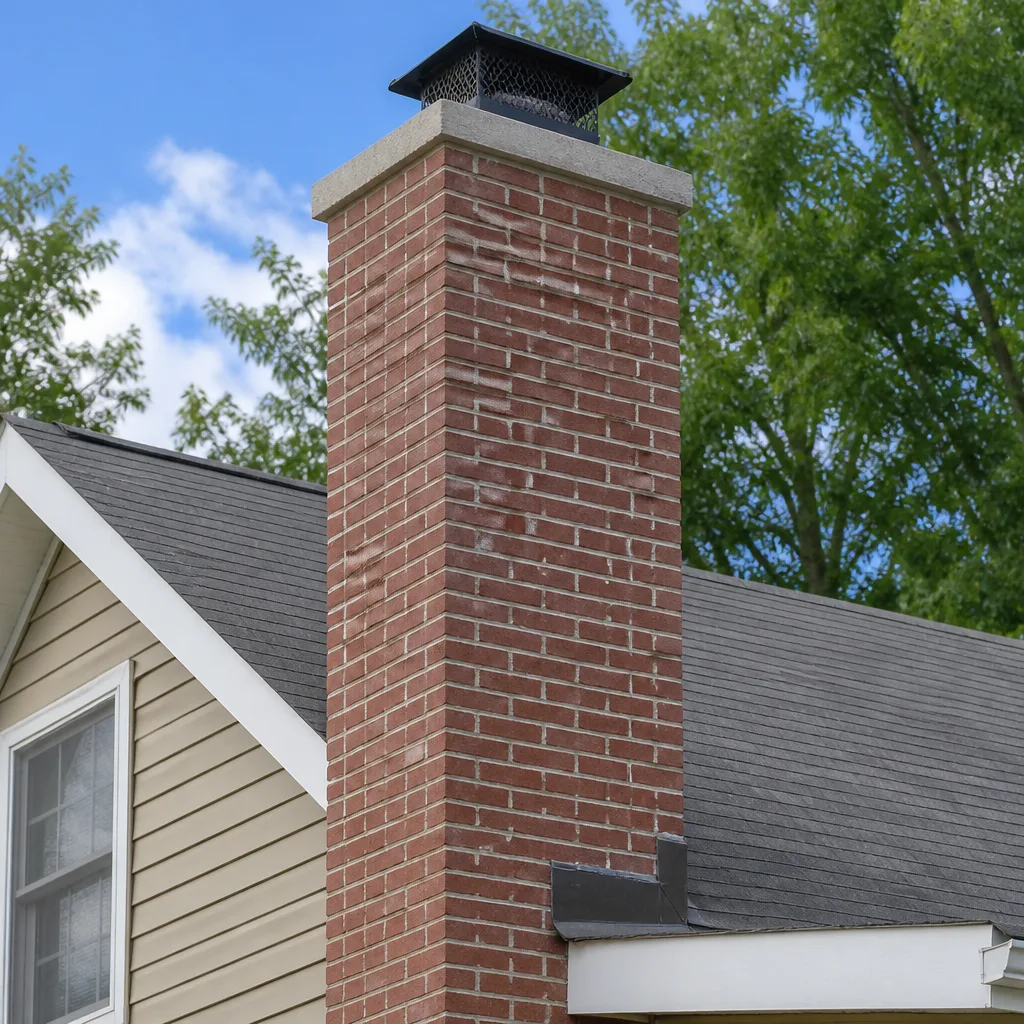 Masonry repair
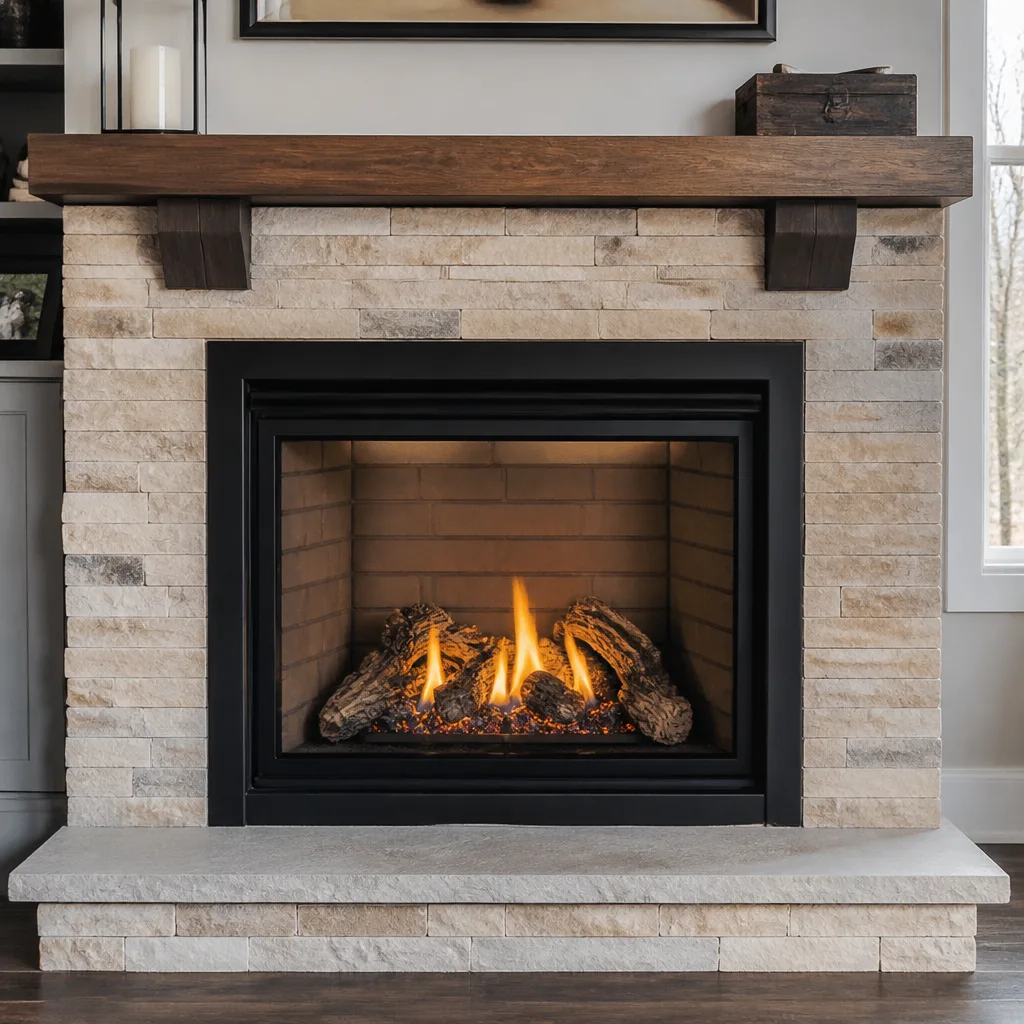 Gas fireplace service
Level 1 sweep and inspection to the NFPA 211 annual standard - flue, crown, cap, and flashing checked and photographed
Chimney sweep logs do not sweep chimneys. They loosen some creosote - which then falls where a brush and vacuum still have to collect it.
Chimney Sweep Maintenance Checklist for Englewood Homeowners
The chimney cap your neighbor’s roofer “checked” while he was up there replacing shingles last spring doesn’t count as a chimney inspection, and your insurer may agree with that after a loss. Roofers check roofs. Chimney sweeps check chimneys. The two trades look at the same real estate from entirely different angles, and confusing one for the other is how a hairline crack in a crown becomes a water-stained ceiling and then, eventually, a liner replacement. This guide is organized around a single idea: some of what keeps an Englewood chimney working you can observe yourself, and the rest belongs to a trained sweep with a camera. Knowing which is which is the whole game. We’ll walk you through both tiers below.
Quick Answer
A safe chimney checklist for an Englewood home combines what you can see from the ground and the firebox with an annual sweep and inspection by a qualified technician. Sweep wood-burning chimneys once a year or every cord burned, whichever comes first, and check gas appliances on the same annual cadence. The homeowner-visible items below catch early trouble; the professional tier verifies the flue interior, the liner, and the crown and cap, which you can’t see from the ground.
Styles & brands we work with
- Sweep & inspection
- Caps & crowns
- Flue relining
- Masonry repair
- Gas fireplace service
Table of Contents
- Tier One: What You Can Check Yourself
- Tier Two: What Requires a Credentialed Sweep
- The Annual Sweep Trigger: When Cleaning Is Non-Negotiable
- When Maintenance Escalates to Repair
- Englewood Seasonal Timing: Pre-Burn and Post-Burn
- Water, Caps, and Crowns: The Root-Cause Checklist
- Documentation to Keep for Sales and Insurance
- Common Mistakes to Avoid
Tier One: What You Can Check Yourself
Tier-one maintenance is entirely about observation. You’re not fixing anything here, you’re gathering evidence. The value of a homeowner’s own checkup is that you notice change over time; a sweep sees your chimney once a year, but you see it after every hailstorm, every hard freeze, and every big snow.
From ground level
- The cap: Is it sitting level? Is it still attached at all? A cap tipped askew or missing altogether is the single most common source of chimney water problems, and it’s visible from the driveway.
- The crown: Look at the concrete top surface around the flue. Cracks wider than a hairline, chunks missing at the edges, or a crown that slopes toward the flue instead of away are all worth noting.
- The brick and mortar: Scan for white, chalky staining (efflorescence), crumbly mortar joints, or bricks that look like they’ve shifted out of line.
- The flashing: Look at the metal where the chimney meets the roofline. Lifted edges, gaps, or tar smeared over seams are warning signs.
- Birds and debris: Nests poking out of the top, or a flue that’s become a home for starlings, means the flue is blocked.
From the firebox
Open the damper and look up the flue with a flashlight. You’re looking for soot buildup thick enough to flake off, cracked flue tile joints, dark gaps between tiles, and any rusted or separated damper parts. You’re also comparing this season’s firebox to last season’s memory: new stains on the firebox brick, smoke marks around the damper, or a creosote smell that wasn’t there before.
None of this replaces a sweep. It just tells you when to stop waiting.
Tier Two: What Requires a Credentialed Sweep
Everything the eye can’t reach lives in tier two. The flue interior above eye level, the liner behind the masonry, the smoke shelf and smoke chamber, and the crown’s underside are all checkpoints a train technician verifies with a camera. Some of the most expensive chimney failures start where nobody looked.
What a proper professional check covers
- Flue interior scan by camera: The whole flue is photographed, joints and all, so you can see what the sweep sees rather than taking a description on faith.
- Creosote assessment: Glazed, tar-like creosote is graded differently than soot or flaky deposits, and the grade determines how urgent cleaning is.
- Liner integrity: Clay tile liners crack and spall with heat cycling. When they do, the gap is where heat and combustion gases reach the framing. This is the check most homeowners can’t replicate themselves.
- Smoke chamber and damper: The throat above the damper is where drafts stall and smoke rolls out.
- Crown and cap condition, up close: The same items you scanned from the ground, but verified from above.
- Appliance connections: If a wood stove or gas appliance ties into the flue, the connector and venting need a look from the appliance side.
Our technicians have up to 13 years of experience, and one thing that doesn’t change with experience is this: no recommendation should come without photo evidence you can see for yourself. That camera inspection and photo report is included as part of the sweep, so nothing gets sold to you on trust alone. If your Englewood home hasn’t been inspected this season, start with a Chimney Sweep Englewood visit and work from there.
The Annual Sweep Trigger: When Cleaning Is Non-Negotiable
The “once a year” rule is the right baseline, but burn frequency is the real trigger, and every chimney is different. Use the thresholds below to estimate when cleaning moves from “scheduled” to “overdue” for your Englewood home.
Wood-burning fireplaces and stoves
- Light use: A cord or less per season, occasional evening fires. Annual sweep, same month each year, is appropriate.
- Moderate use: One to two cords a season. Sweep annually and add a mid-season visual check from the firebox.
- Heavy use or primary heating: Two cords or more, or a wood stove running daily through the cold months. Sweep before the burn season opens and again mid-season if soot is visible.
Gas appliances
Gas doesn’t produce creosote the way wood does, but it does produce debris, dust, and corrosion at the vent connector. Gas fireplaces and inserts should still be checked annually, and gas logs in a vented firebox deserve a look even on light use. A blocked vent on a gas appliance is a carbon monoxide concern rather than a creosote one, which makes the annual check non-negotiable in a different way.
What makes a chimney dirty faster
Burning unseasoned wood, running the damper too closed, and burning paper or trash all accelerate buildup. If your wood sizzles when you touch it to a hot bed of coals, it’s wet, and wet wood means more creosote. Cut, split, and cover wood for at least a season before burning it.
When Maintenance Escalates to Repair
Most of what a checklist flags gets addressed at the next scheduled visit. A few items shouldn’t wait for the calendar. Here are the specific observations that move a job from maintenance to repair, described as you’d actually see them.
Spalling mortar
Mortar joints typically fail in a pattern: the joints near the top of the chimney go first because they take the weather. What you’ll see is sand-and-cement material flaking off the joints like crumbs, with the bricks themselves still solidly in place. In a vertical photograph the joints look recessed and grainy rather than crisp. Slight flaking at a cap is normal; deep recessed joints through several courses want attention before a freeze-thaw cycle widens them.
Efflorescence staining
Efflorescence is the white, powdery bloom that appears on brick when water moves through the masonry and dries at the surface. A faint haze isn’t automatically alarming, but a dense white crust on one side of the chimney, or staining that grows after every storm, is telling you water is getting into the masonry from somewhere: a failed crown, a missing cap, or failed flashing.
Smoke rollout
If smoke rolls out of the firebox opening instead of going up the flue, the draw is wrong. That’s not a maintenance item; it’s a diagnostic. Common causes are a flue that’s too short, an oversized flue opening relative to the firebox, a blocked or undersized cap, or a chimney that’s been crowded by a nearby roofline. A sweep can identify the cause; guessing at the fix usually makes it worse.
Liner gaps and cracked tile
Cracked flue tile, a rusted Section 8 liner in a gas flue, or a liner that’s pulled away from the smoke chamber are all repair-tier findings. Depending on condition, a liner can sometimes be restored with HeatShield ceramic resurfacing or relined with a DuraFlex flexible liner system, but neither is a decision to make without photographs. If you’ve noticed any of the above, chimney repair is the next call, not another sweep.
Englewood Seasonal Timing: Pre-Burn and Post-Burn
Englewood’s climate makes two points in the year clearly better for a chimney appointment than the rest. The spring and fall shoulder seasons are when the weather is mild enough to work on a chimney and when a sweep can catch a problem before it becomes a winter emergency or sits through a summer of neglect.
Late September: pre-burn baseline
Aim to have the chimney swept and inspected the last two or three weeks of September, before the heating season starts. The reasoning is practical: a sweep in late September catches a failed cap, a cracked crown, or a cracked flue liner with enough time to repair it before the first sustained burn, rather than discovering it after the first cold night with a fire already in the firebox. It’s also when the sweep can assess last season’s creosote and give you a clean starting point.
Late April: post-burn check
The late-April pass focuses on what winter did. Freeze-thaw cycles open cracks in the crown, spring storms stress flashing, and a season of use leaves creosote deposits in the flue. This is also the right window for any crown, cap, or masonry work that’s easier in mild weather. Catching water intrusion at the top of the chimney in April means the repair dries out before the summer monsoons arrive.
What to avoid
Don’t schedule the sweep in the middle of a burn season if you can plan ahead. The value of the late-September and late-April windows is that a repair can be made before it’s needed, not during. If you have to book mid-winter, call early. Call (866) 431-6293. We answer 24/7. Fast dispatch from 7am to 7pm, Sunday through Friday.
Water, Caps, and Crowns: The Root-Cause Checklist
Water is the number-one attacker of masonry chimneys, and it always enters from the top. Caps and crowns are exactly where a checklist should look first, because that’s where a sweep can fix the cause rather than reuse a symptom.
Check the cap
- Is it seated flat and centered? A shifted cap lets water into the flue from the side.
- Are the screen and sides intact? Damaged screens admit animals and debris.
- Is the material appropriate? A cap designed for a masonry flue fits differently than one for a metal flue. We install Gelco and Famco caps and covers, sourced from dedicated chimney supply lines rather than general hardware.
Check the crown
The crown should slope away from the flue, not toward it. Look for cracks that admit a nickel, a crown that’s separated from the flue tile, or a crown that’s broken along the edge. A crown crack the width of a credit card is small on paper but can route water into the masonry every time it rains.
Check the flashing
Chimney flashing is a roofing detail, but a chimney specialist should tell you when the flashing is failing so the chimney work isn’t done around a leak. Lifted metal at the headwall, tar acting as a stopgap, or a visible gap between flashing and masonry are the signs.
We install and replace caps and crowns in-house as part of chimney work, so a water-intrusion report doesn’t have to be handed off to another trade.
Documentation to Keep for Sales and Insurance
A well-kept service record serves two audiences you probably haven’t considered: your home inspector, when you’re ready to sell, and your adjuster, if there’s ever a chimney-related claim.
What a proper service record includes
- Date of service and what was done: swept, inspected, or repaired. Note the type of sweep (top-down or bottom-up) if you know it.
- Photo report: before-and-after photos of the flue interior and any findings. This is the part most records lack, and the part most likely to matter later.
- Findings and recommendations: cracked crown, glazed creosote, a spalled cap, or a recommendation to schedule. Even “no issues found” is worth keeping.
- Materials and products used: a HeatShield resurfacing, a DuraFlex liner, a Gelco cap. A future buyer or adjuster will want to know what was installed and when.
- Warranty or workmanship terms: whatever your sweep provides in writing.
Keep this file in one place. In our experience, a home sale moves faster and a claim goes smoother when the paperwork exists. If you’ve been burning for years without a photograph of a service, one visit to chimney sweep service in Englewood can give you a clean starting baseline.
Common Mistakes to Avoid
- Treating a roofer’s “I checked the cap” as an inspection. Roofing and chimney work are two disciplines. A roofer can replace shingles around a chimney; the flue interior, liner, and crown need a sweep. The distinction matters if you’re ever making a claim.
- Waiting for a fire problem before calling. Most of what a sweep finds is water damage and liner condition, not fire. A chimney that smells fine and draws fine can still have a cracked liner behind the tile.
- Burning wet wood and blaming the draft. Unseasoned wood smokes, deposits creosote, and frustrates you. Split, stack, and cover for at least a season.
- Skipping the sweep because the fire “burned fine.” A draw that seems fine is not a flue interior scan. Glazed creosote can build inside a flue that drafts perfectly well right up until it doesn’t.
- Slapping a hardware-store cap on a masonry flue. Caps from general hardware lines often don’t match the flue’s dimensions or material. We work with Gelco and Famco from dedicated chimney supply lines for that reason.
- Putting the annual sweep off until January. In Englewood, the shoulder seasons are the natural appointment windows. September and April catch problems with time to fix them.
- Letting a small crown crack sit through a winter. Freeze-thaw cycles in Englewood’s cold months widen existing cracks. Small crown repairs in October prevent larger masonry work in the spring.
See the difference
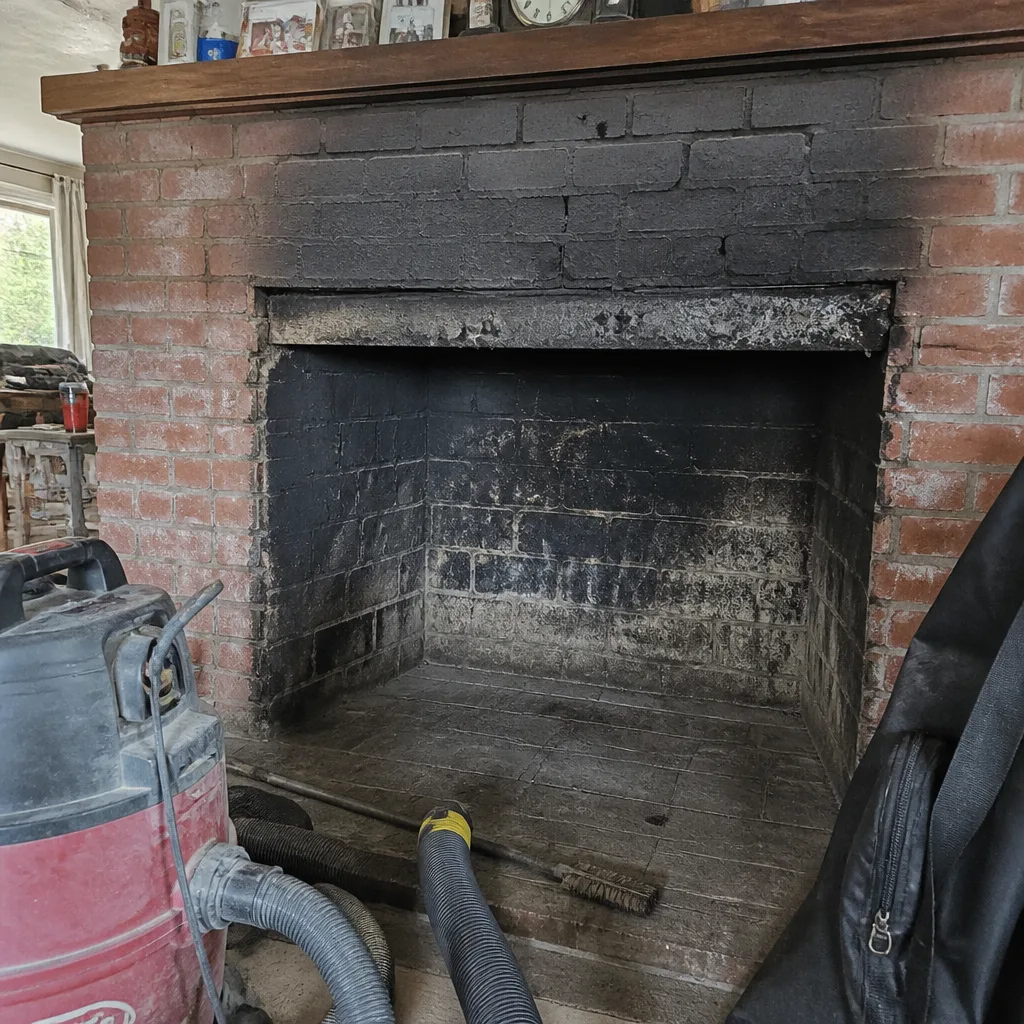 Before
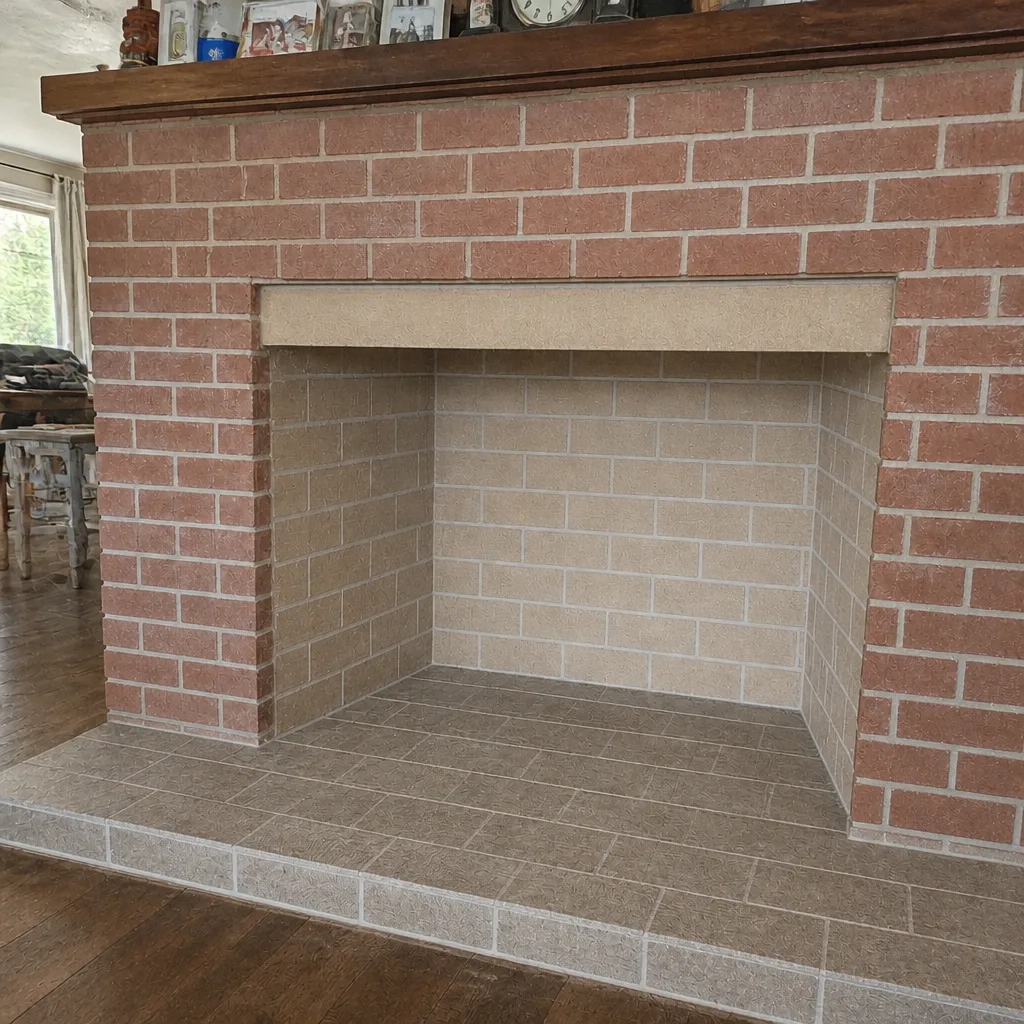 After
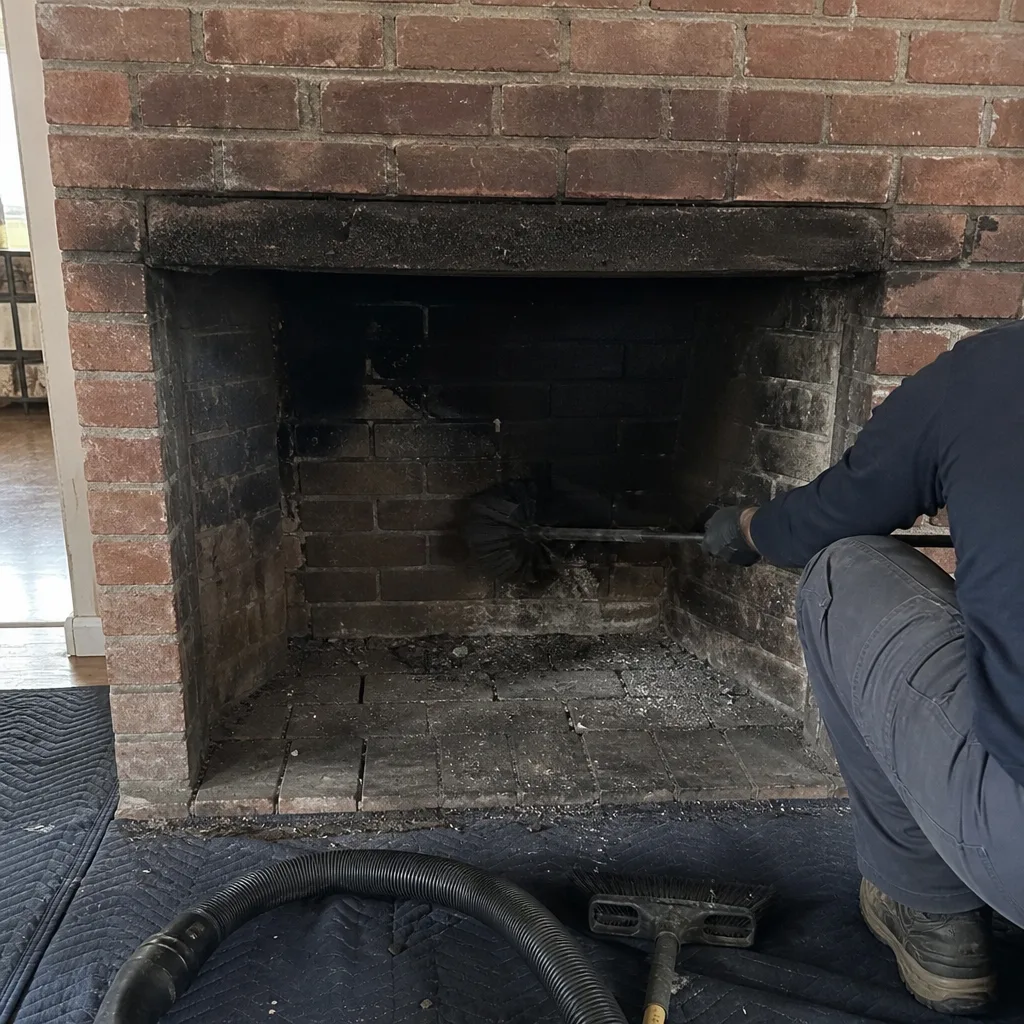 Before
 After
 Before
 After
When to Call a Professional
Some findings are clear enough to call about right away. Smoke rolling out of the firebox, a strong creosote smell that lingers with the fireplace cold, a chimney cap that’s detached or shifted, efflorescence that’s growing storm after storm, or cracked flue tile spotted during a flashlight check all warrant a sweep appointment, ideally before the next burn. A chimney with soot, a stale smell, or a damper that sticks is worth a look on the next scheduled sweep. If your firebox brick has new stains or the flue tile shows gaps, that’s a repair conversation. If you’re not sure, describe what you’re seeing; an inspection will tell you what a phone call can’t.
Chimney Sweep Englewood works with professional trade brands on every job: DuraFlex flexible liner systems, HeatShield ceramic resurfacing, Olympia Chimney products, and Gelco and Famco caps. One call covers inspection, cleaning, and repair, so you don’t repeat the story for a second contractor.
Frequently Asked Questions
A typical chimney sweep in Englewood is priced per job from a written estimate, and the estimate is free. The written estimate sets the final price, and nothing gets added afterward. Call (866) 431-6293 for an exact quote, and we’ll match the estimate to what the visit actually finds. We answer 24/7. Fast dispatch from 7am to 7pm, Sunday through Friday.
Not necessarily, and any recommendation that says otherwise should come with photo evidence of what’s wrong. A cracked flue tile, a rusted gas-flue liner, or a liner that’s separated from the smoke chamber are the conditions that require action. Sometimes a liner can be restored with HeatShield ceramic resurfacing instead of a full tear-out. Ask for the photos, and ask whether the damage can safely wait a season. Call (866) 431-6293 if you want a second set of eyes on a recommendation you’ve been given.
Once per year for most wood-burning fireplaces, and more often if you burn two or more cords a season or use a wood stove as a primary heat source. Gas appliances should be checked annually as well, because the concern with gas is venting and carbon monoxide rather than creosote. Call (866) 431-6293 to book an Englewood sweep on the schedule your chimney actually needs.
The immediate concern from a skipped sweep is creosote buildup, which is the fuel in a chimney fire, and the long-term concern is that a cracked liner or failed crown goes unnoticed until the damage reaches the framing or the ceiling. Neither outcome is a surprise you want to find the hard way. A sweep and inspection catches both before they escalate. Call (866) 431-6293 to get it on the calendar.
A sweep cleans the flue; an inspection documents the condition of the flue interior, liner, cap, crown, and appliance connection with photos. In practice, we do both on the same visit and provide the photo report as part of the sweep. The reason the distinction matters is that cleaning a failing flue without inspecting it can hide problems that cleaning can’t fix.
Yes. Gas fireplaces and gas logs don’t produce creosote, but venting, debris buildup, and connector corrosion are real concerns, and an obstructed gas vent is a carbon monoxide risk rather than a fire risk. An annual check of the flue, cap, and appliance connection is the right cadence. Call (866) 431-6293 if you’re not sure when yours was last looked at. If you want us to address slow or stuck damper hardware at the same time, ask about fireplace repair on the visit.
The Bottom Line
The checklist that keeps an Englewood chimney healthy has two tiers, and knowing which tier a problem belongs to keeps small issues from becoming expensive ones. Tier one is observation: the cap, the crown, the flashing, the brick, and the firebox, checked by you from the ground and the hearth. Tier two is the credentialed sweep’s territory: the flue interior, the liner, and the smoke chamber, verified with a camera you can see. Sweep once a year or every cord, whichever comes first. Book in late September and late April when the shoulder seasons let a repair happen before it’s needed. Keep the photo report every time. That’s the whole checklist.
Contact
Whether you’re due for a scheduled sweep, you’ve spotted something on this checklist that needs a look, or you’d like a second opinion on repairs you’ve been quoted, call us. The estimate is free, the written estimate sets the price, and the camera inspection comes with photos you can inspect for yourself. Call (866) 431-6293 for a free estimate. We answer 24/7. Fast dispatch from 7am to 7pm, Sunday through Friday.
Written by the team at Chimney Sweep Englewood.