
Last updated November 24, 2026
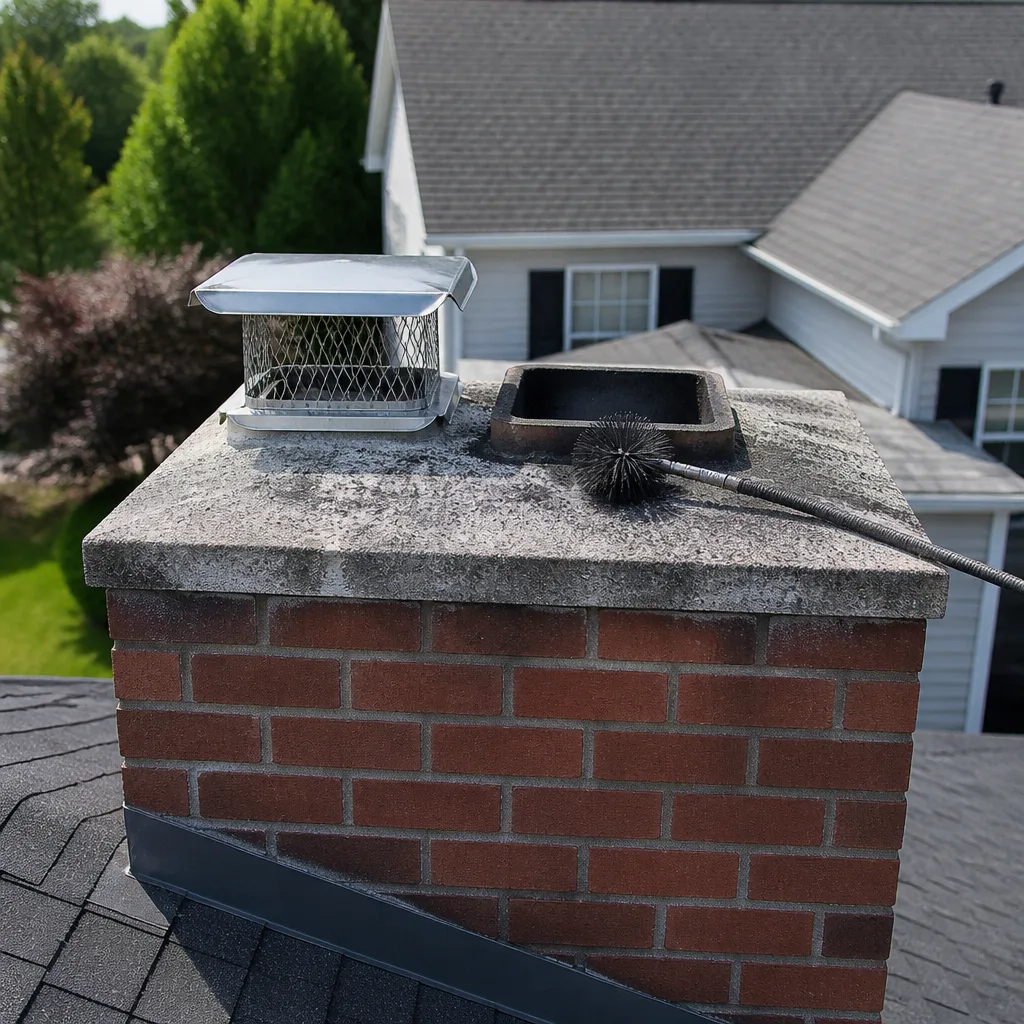 Sweep & inspection
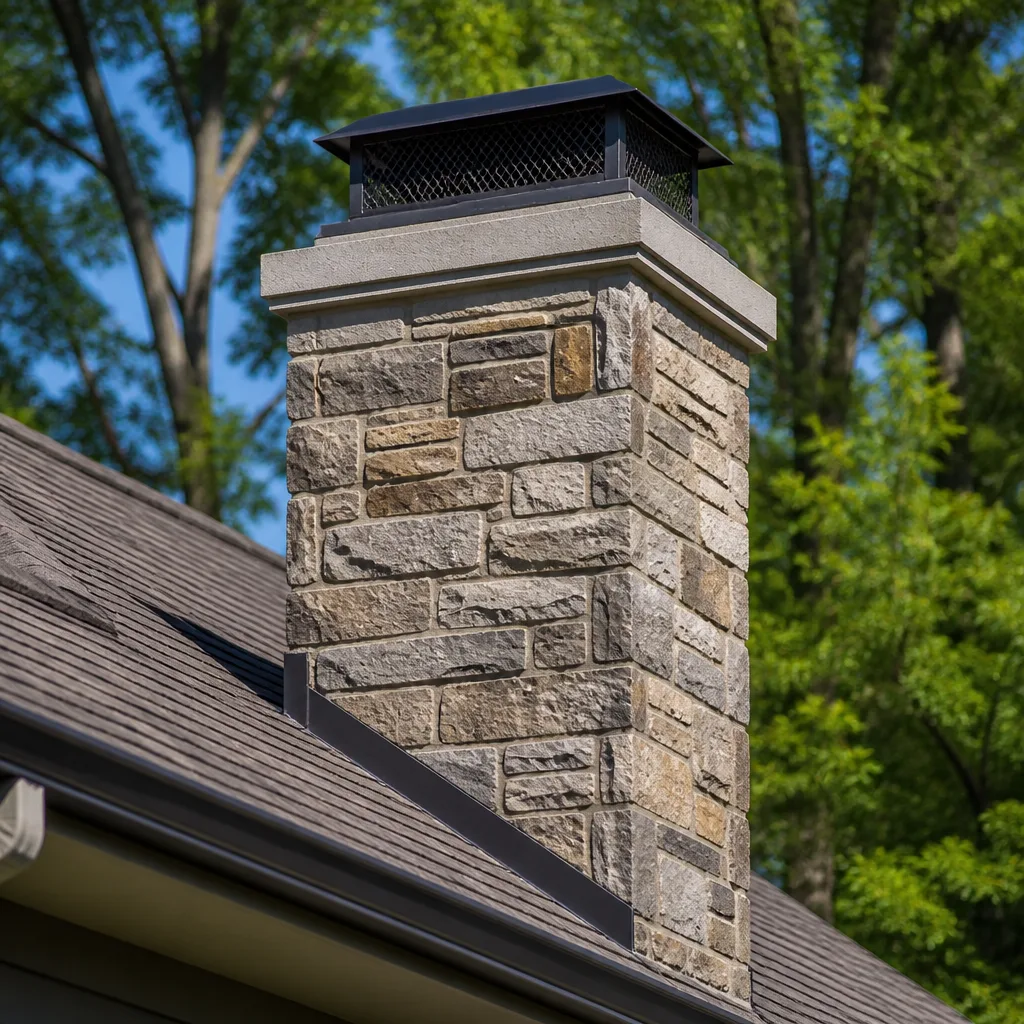 Caps & crowns
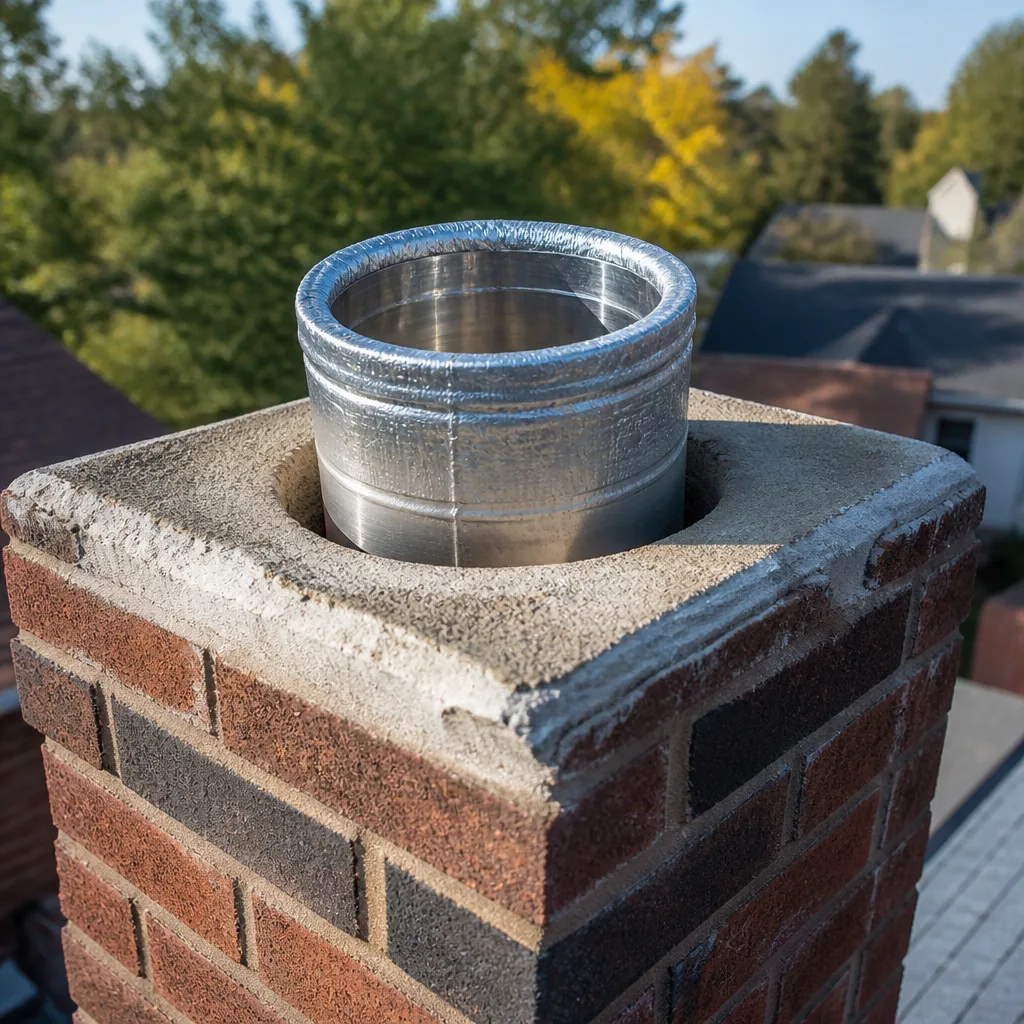 Flue relining
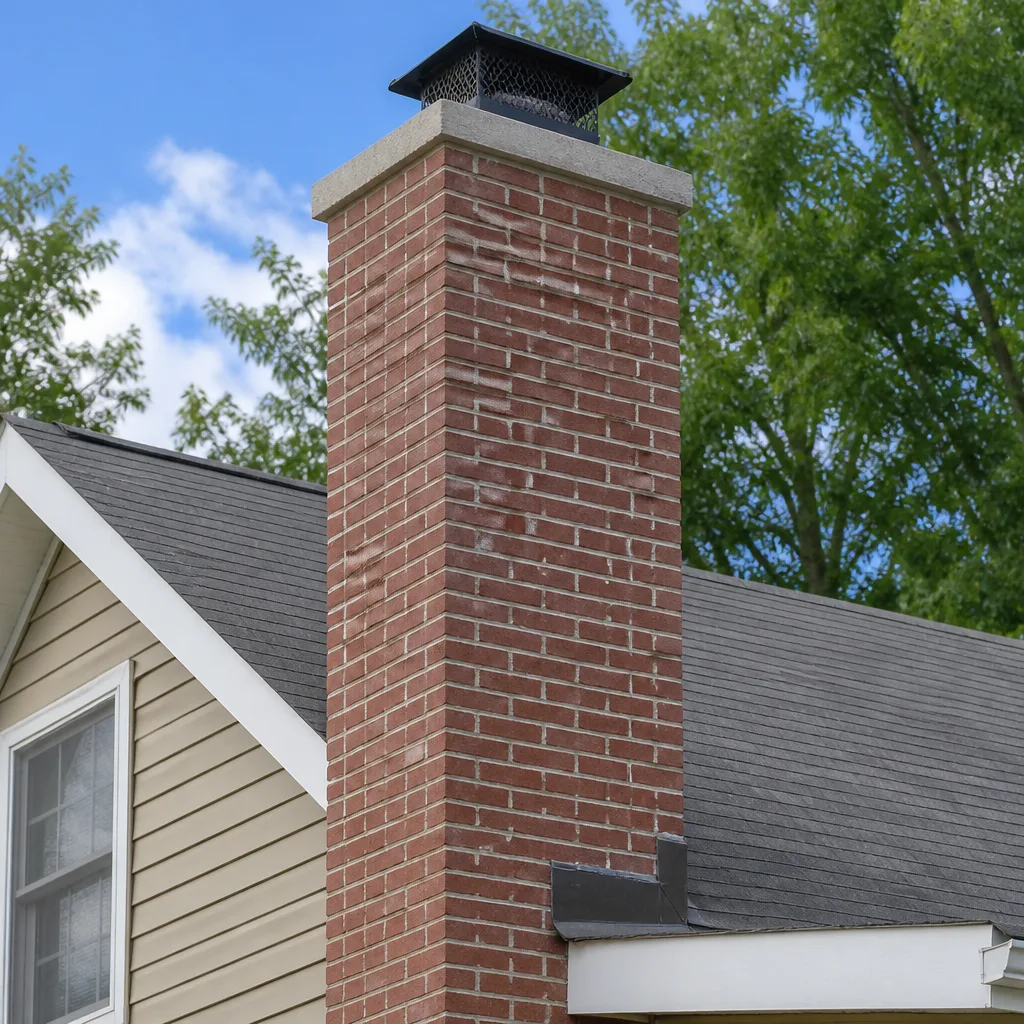 Masonry repair
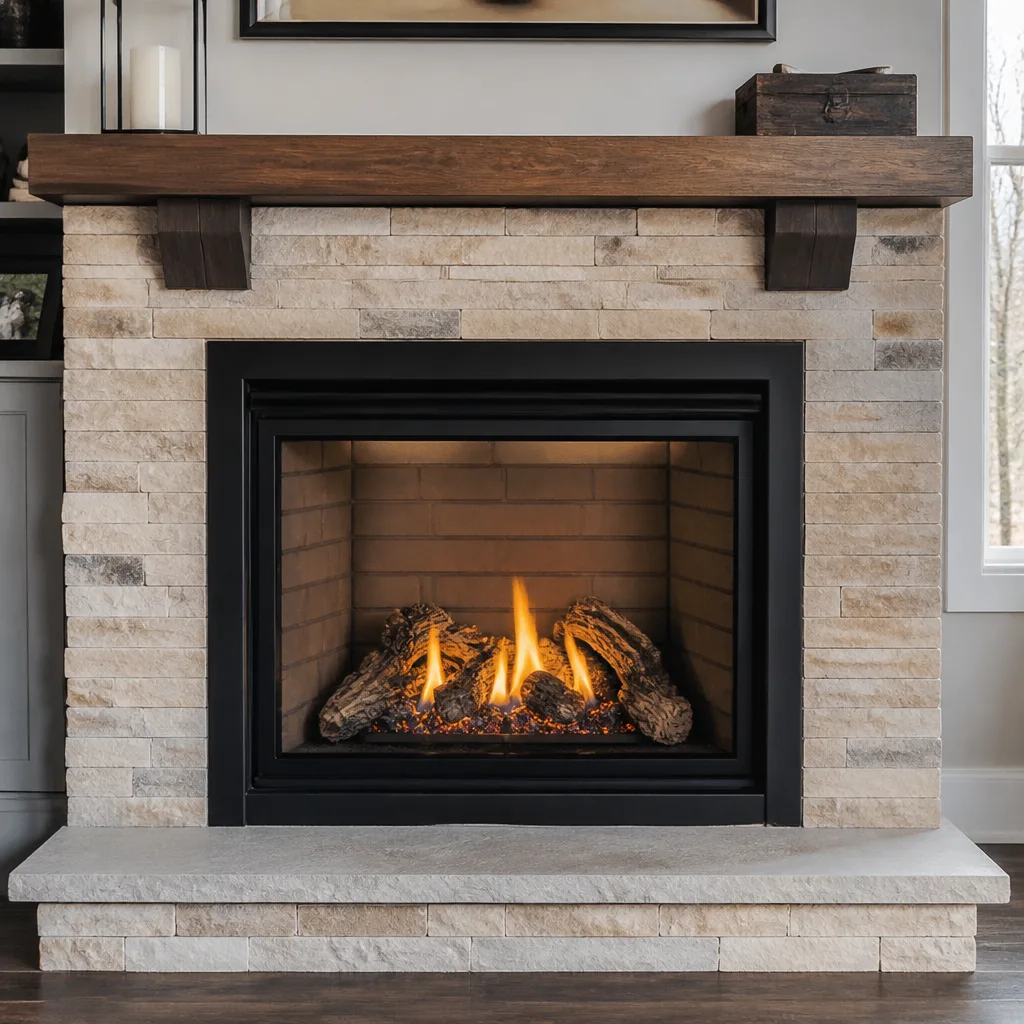 Gas fireplace service
Level 1 sweep and inspection to the NFPA 211 annual standard - flue, crown, cap, and flashing checked and photographed
Chimney sweep logs do not sweep chimneys. They loosen some creosote - which then falls where a brush and vacuum still have to collect it.
DIY vs Professional Chimney Cleaning: The Englewood Homeowner’s Decision Guide
Chimney brushes are sold at every hardware store, and they do remove loose soot. But a brush does nothing for glazed creosote, damaged liner tiles, or a cracked smoke chamber, and those are the three things most likely to start a house fire. That gap between what a brush reaches and what actually fails is the whole conversation. In Englewood, where a large share of the housing stock went up before 1980, the flue you can’t see is often the one that matters most. This guide walks through what a real cleaning removes, what only a camera can find, which tasks you can safely handle yourself, and how to decide when to book a sweep.
Quick Answer
A professional chimney cleaning is worth it over DIY for one reason: a brush cleans the flue you can see, while a rotary system plus a camera inspection finds the glazed creosote, cracked tiles, and eroded smoke chamber you can’t. You can safely handle glass cleaning, ash removal, and a basic visual check yourself. Everything above the firebox, and anything involving a camera, belongs with a trained technician. If it’s been more than a season since your last sweep, or you’ve never had one in your Englewood home, professional cleaning is the right call.
Styles & brands we work with
- Sweep & inspection
- Caps & crowns
- Flue relining
- Masonry repair
- Gas fireplace service
Table of Contents
- What a chimney brush actually removes, and what it leaves behind
- The chemistry of glazed creosote and why mechanical agitation alone fails
- What a homeowner physically cannot assess without a camera
- The DIY tasks that actually make sense
- Liability and insurance when you self-certify a chimney
- How Englewood’s housing age raises the stakes
- How to decide: a step-by-step framework
- What a professional cleaning actually involves
What a Chimney Brush Actually Removes, and What It Leaves Behind
A standard chimney brush removes loose, flaky soot and light stage-one creosote from the walls of the flue. That’s it. It’s a useful function, and it does make a difference for a flue that’s been cleaned regularly. But it’s also where the DIY story usually ends, and it’s not where chimney fires start.
Here’s the honest split. A brush handles soot and light ash residue. It does not handle:
- Glazed, stage-three creosote. This is the hard, tar-like coating that bonds to the flue wall. A brush passes over it without removing it. It’s the most combustible form of creosote and the primary fuel in a chimney fire.
- Cracked or spalling liner tiles. Clay tile liners crack with heat cycles. The crack is often on the inside face, invisible from the firebox. A brush won’t find it, and it can’t fix it.
- Eroded smoke chamber. The sloped section above the damper is where creosote accumulates and where masonry starts to break down. A brush from the top or bottom doesn’t address the parging on the chamber walls.
- Hidden smoke shelf buildup. The shelf behind the damper traps debris, and a brush strokes past it without clearing the pocket.
- Obstructions. Nests, leaves, or a collapsed liner section won’t show up with a brush pass. They show up on camera.
In Englewood, we see a lot of masonry fireplaces in homes built between the 1950s and 1970s, and those flues have had decades of heating seasons on them. The visible soot comes off with a brush. The glazed coating and the tile cracks that come with that much use don’t. When we handle a chimney sweep for an older home, we use rotary cleaning equipment, which is the same standard the trade relies on for a reason: it addresses the flue surface, not just the loose debris. And every sweep includes a camera inspection so you can see what the brush couldn’t reach.
The Chemistry of Glazed Creosote and Why Mechanical Agitation Alone Fails
Creosote forms when wood smoke cools before it exits the chimney. The unburned gases condense on the cooler flue walls, and what deposits depends on how hot the fire burned and how much moisture the wood held.
There are three stages, and it helps to know which one you’re dealing with:
- Stage one: soot and flaky creosote. Soft, dusty, and easy to remove. A brush handles this fine. Fresh fires with dry wood and good draft produce mostly this.
- Stage two: hardened crust. The deposit thickens and hardens, sometimes with a brittle, bubbled texture. A brush knocks some of it down but not all. This is where DIY starts to struggle.
- Stage three: glazed creosote. The deposit has been through repeated heating cycles and fused into a hard, tar-like glaze. It’s essentially carbonized fuel bonded to the flue wall. A brush skates over the surface. No amount of scrubbing with a homeowner brush will remove it.
Mechanical agitation alone fails at stage three because glaze isn’t loose material. It’s chemically bonded. What removes it is a rotary cleaning system with appropriate cutting heads, which turn the flue surface at high speed and physically shave off the glaze without damaging the tile. That’s a different tool than a brush, and it requires someone who knows how much pressure the flue can take before a cutting head bites into the tile.
The chemistry matters because it tells you what your sweep can actually accomplish. If you’ve been burning unseasoned wood, or your fires run cool and smoky, or your home has a fireplace insert that changes the draft profile, you’re more likely to have stage-two or stage-three deposits. Those are the conditions where a homeowner brush pass gives a false sense of a clean chimney. The professional Chimney Sweep Englewood approach is to run the rotary system for glazed buildup and then camera-inspect, because the cleaning tool alone doesn’t tell you whether the flue wall behind the glaze is still sound.
What a Homeowner Physically Cannot Assess Without a Camera
You can look up from the firebox with a flashlight and see maybe the first few feet of the flue, and only straight up. That view tells you almost nothing about what’s above the smoke chamber. Here’s what a camera inspection finds that your eyes can’t:
- Liner cracks. Clay tile liners crack along their length as they expand and contract with heat. A crack that opens into the surrounding masonry lets hot gases and carbon monoxide into the wall cavity. From the firebox, the tile can look perfect.
- Smoke chamber erosion. The smoke chamber is the sloped section above the damper. Its parging erodes over time, leaving rough masonry surfaces that collect creosote and slow the smoke’s path. The camera shows the erosion; the firebox view doesn’t.
- Hidden smoke shelf buildup. The smoke shelf sits behind the damper and catches debris the fire doesn’t burn. A pocket of buildup there narrows the flue opening and can send smoke back into the room.
- Offset and elbow condition. Many flues bend or offset around framing. The camera is the only way to inspect the far side of those transitions.
- Cap and crown seating. Where the flue meets the crown and the flue tile penetrates the cap, a gap can let water in. A camera run from the top of the flue shows the condition of the last few feet before the cap.
- Animal nests and blockages. A blocked flue doesn’t draft, and it doesn’t announce itself until the first fire of the season backs up into the room. The camera catches it before you light up.
Every sweep we book includes camera inspection and a photo report, so you’re looking at the same images we are. That matters because it’s not just about finding problems. It’s about showing you clearly when a flue is fine and doesn’t need work. Nobody should have to take a contractor’s word for it that a $4,000 reline is necessary when the evidence is a photo they can see themselves.
When an inspection does find a damaged liner, a full tear-out isn’t always the right answer. HeatShield ceramic resurfacing is a specialty method that restores a deteriorating flue by casting a new ceramic lining inside the existing one. Most general sweep services don’t offer it. When we’ve found a liner that’s eroded but structurally sound, we can often recommend HeatShield instead of a rebuild. If the liner is beyond resurfacing, a DuraFlex flexible liner system is the industry-standard reline. Both are professional-grade materials specified by certified chimney technicians, and both are the kind of fix that starts with a camera inspection.
The DIY Tasks That Actually Make Sense
There are things you can and should handle yourself. Nothing in this section involves climbing onto a roof, opening a flue above the firebox, or touching the chimney structure. These are firebox-level tasks, and done correctly they extend the life of your fireplace and help you spot problems early.
- Clean the fireplace glass. Use a fireplace glass cleaner or a paste of baking soda and water, and apply it with a soft cloth or paper towel. Never use an abrasive pad or a razor blade on the glass; a scratch becomes a weak point that cracks under heat. Do this when the glass is cool, not warm.
- Remove ash after it has fully cooled. Keep a thin layer of ash on the firebox floor to help insulate the fire, but clear the excess. Use a metal ash shovel and a metal bucket with a lid. Never put warm ash in a plastic bucket or paper bag, and never take ash out of the firebox right after a fire.
- Do a visual check before first use each season. Open the damper and look up with a flashlight. You’re looking for a clear flue path, visible soot, and anything that looks like a nest or blockage. This check doesn’t replace an inspection, but it catches the obvious.
- Check the firebox for cracked brick and loose mortar. Hairline cracks can be cosmetic; gaps in joints or missing mortar are not, and they need a technician’s eye.
- Look at the exterior from the ground. A pair of binoculars from the yard tells you whether the cap is intact, whether the crown has visible cracks, and whether the exterior masonry is spalling. Don’t climb to check closer.
- Check the cap from below if you can. A cap with a missing screen or a bent top is a sign an inspection is due.
Those are the safe tasks. Everything else, from the smoke chamber up, should be handled by a technician with the right equipment. The one rule we’d put on a sticky note: do not scrub the flue with a homeowner brush and consider it clean. If you have glazed creosote, a brush pass makes you think you’ve removed something you haven’t.
Liability and Insurance When You Self-Certify a Chimney
Home insurers care about one thing with a chimney: whether it was maintained to a standard. If a chimney fire damages your Englewood home and the insurance adjuster finds evidence of long-unmaintained creosote, the claim can be contested. That’s not a scare tactic. It’s how policy language is written, and it becomes relevant the moment a claim is filed.
The problem with self-certifying is that you can’t produce evidence. If you clean your own chimney and tell yourself it’s clean, you have no photo record, no camera inspection, and no technician’s signature. If a fire happens, you can’t demonstrate what the flue looked like before the season started. That gap is what insurance adjusters look for.
A professional cleaning produces a paper trail: a dated inspection report, a camera video or photo set, and a written record of what was found and what was done. That’s what you have to show if anything goes wrong, and it’s also what you hand a buyer if you sell the home. In Englewood, where homes move on the market regularly, a documented chimney history is a real asset. It’s the same principle as a service record on a furnace, and most homeowners understand it the moment we mention it.
We work with professional-grade products because the documentation is only as good as the work behind it. A DuraFlex liner installation or a HeatShield resurfacing job is a known, traceable system with the manufacturer’s documentation attached. A generic hardware-store alternative doesn’t carry the same paper trail, and it doesn’t carry the same warranty. That’s one of the reasons we use what we use.
How Englewood’s Housing Age Raises the Stakes
Englewood has a large share of homes built before 1980, and many of them have original or near-original masonry fireplaces. That matters for three reasons.
First, older flues have had more heating seasons. A flue that’s burned wood for four decades has cycled through thousands of heat-up and cool-down cycles. That’s enough time for clay tile liners to crack, for smoke chamber parging to erode, and for stage-three glaze to build up in a flue that wasn’t swept consistently. The older the stock, the more likely a DIY sweep is missing a structural problem.
Second, older homes were often built with flue configurations that are harder to inspect. Offsets, exterior chases, and original masonry construction all narrow the view from the firebox. That’s exactly the case where a camera pays off, and exactly the case where a brush-and-flashlight check gives you the least information.
Third, older homes often have more than one fuel-burning appliance. A furnace, water heater, or wood stove sharing flue space with a fireplace changes the draft dynamics. Multiple appliances in one flue means one appliance’s exhaust can back-draft into your living space when the draft is weak. That’s a carbon monoxide concern, not just a smoke concern, and it’s not something a homeowner should be checking with a flashlight.
Our technicians have up to 13 years of experience, and much of that has involved fireplaces in older Englewood homes. We’ve seen what those flues look like from the inside, and the pattern is consistent: the visible soot comes off easily, and the problems that matter are the ones you only see with a camera. That experience is why we include camera inspection and a photo report with every sweep, and it’s why we’re careful to tell you when a flue is fine. Not every older chimney needs work. But the ones that do need to be identified before a fire starts.
How to Decide: A Step-by-Step Framework
Use this to work through your own situation. It’s the same logic we’d walk through on a call.
- How long since the last cleaning? If it’s been more than a season, book a professional cleaning. If it’s been within a season and you burn dry wood, a visual check first is reasonable.
- How much do you burn? Wood-burning fireplaces that run a fire most days of the cooler months build creosote faster than a fireplace used a few times a winter. Heavy use means annual cleaning, not every-other-year.
- Is your wood seasoned? Dry, seasoned wood produces less creosote. Green or unseasoned wood produces a lot more. If you’ve been burning unseasoned wood, assume a glaze layer and book an inspection.
- Do you have a fireplace insert or wood stove? Inserts and stoves change the draft profile, often for the better, but their flues are smaller and build up faster. Book professional cleaning annually.
- Any history of smoky fires or draft problems? Backdrafts, smoke rolling into the room, or a fire that won’t stay lit are all reasons to inspect. Don’t troubleshoot these yourself.
- Is this the first season in a new-to-you home? Book a sweep and inspection before first use. You have no idea what the previous owner did, and the camera tells you.
- Any signs of water intrusion? Staining on the firebox ceiling, a damaged crown, or a missing cap screen all point to a chimney that needs inspection. Water and masonry don’t mix, and the root cause is often the cap or crown.
If any answer above points to “book it,” book it. The cost of an inspection and cleaning is small compared to the alternative, and the photo report means you’ll know what you’re dealing with. If you’d rather ask questions first, call (866) 431-6293. We answer 24/7, and estimates are free.
What a Professional Cleaning Actually Involves
A professional cleaning is a sequence, not a single step. Here’s what the process looks like when we do it, start to finish.
- Setup and containment. Drop cloths and a containment sheet go down before any tool is used, so soot doesn’t find its way into the room.
- Rotary cleaning of the flue. The rotary system runs from the top or the bottom, depending on the flue, and its cutting heads are chosen based on what the previous inspection found. It removes soot, stage-two crust, and glazed creosote down to sound tile.
- Firebox and smoke chamber cleaning. The firebox floor, walls, smoke shelf, and smoke chamber are cleaned separately. This is where a lot of hidden buildup lives.
- Camera inspection and photo report. A camera travels the length of the flue and the photos are reviewed with you. This is where we find the cracks, eroding parging, and hidden blockages a brush pass would have missed.
- Written findings. We tell you what was found, what was cleaned, and what, if anything, needs attention. If there’s work that needs to happen, we explain why and show you the evidence. If a flue has years left before it needs work, we tell you that too.
The materials matter as much as the method. We use DuraFlex liners, HeatShield resurfacing, and Gelco and Famco caps and covers because those are the products the chimney trade specifies, not the generic hardware-store alternatives. That’s the difference between a fix that holds for a season and one that holds for a decade. If a cap is missing or a crown is cracked, we install the replacement in the same visit where we can, because the cap and crown are what stop water from getting into the flue in the first place. It’s a chimney repair issue wrapped inside a cleaning question, and it’s better addressed at the same time.
Common Mistakes to Avoid
- Treating a brush pass as a cleaning. A brush removes soot and leaves glaze. If you’ve got stage-three creosote, the brush does nothing for it and can make you think the flue is clean. Book a rotary cleaning if you’ve got a hard, tar-like coating on the flue walls.
- Burning “cleaning logs” instead of actual cleaning. These products are sold as a supplement and marketed as a way to reduce creosote. They don’t remove it. They don’t replace a sweep, and they can’t inspect anything. Skip them if you think they’re a shortcut.
- Climbing onto the roof to check the cap yourself. A fall off a pitched roof in Englewood is a serious injury, and the view from the top doesn’t replace a camera down the flue. Use binoculars from the ground, and call a professional for anything above that.
- Using an abrasive on fireplace glass. A scouring pad or a razor blade scratches the glass, and a scratch becomes a crack when the glass heats. Use the correct cleaner and a soft cloth.
- Running a DIY sweep on a flue you’ve never had inspected. If this is your first season in the home, you don’t know the liner condition. Cleaning it yourself skips the inspection that tells you whether it’s safe to burn.
- Burning unseasoned wood to save money. Green wood produces far more creosote than dry wood, and the extra glaze means more frequent cleanings. The cheapest cord and the most expensive cord are not the same thing once you factor in flue maintenance.
- Ignoring a smoky fire or a draft problem. Backdrafts and smoke rolling into the room are symptoms, not annoyances. They can point to a blockage or a draft problem, and they should be inspected before the next fire is lit.
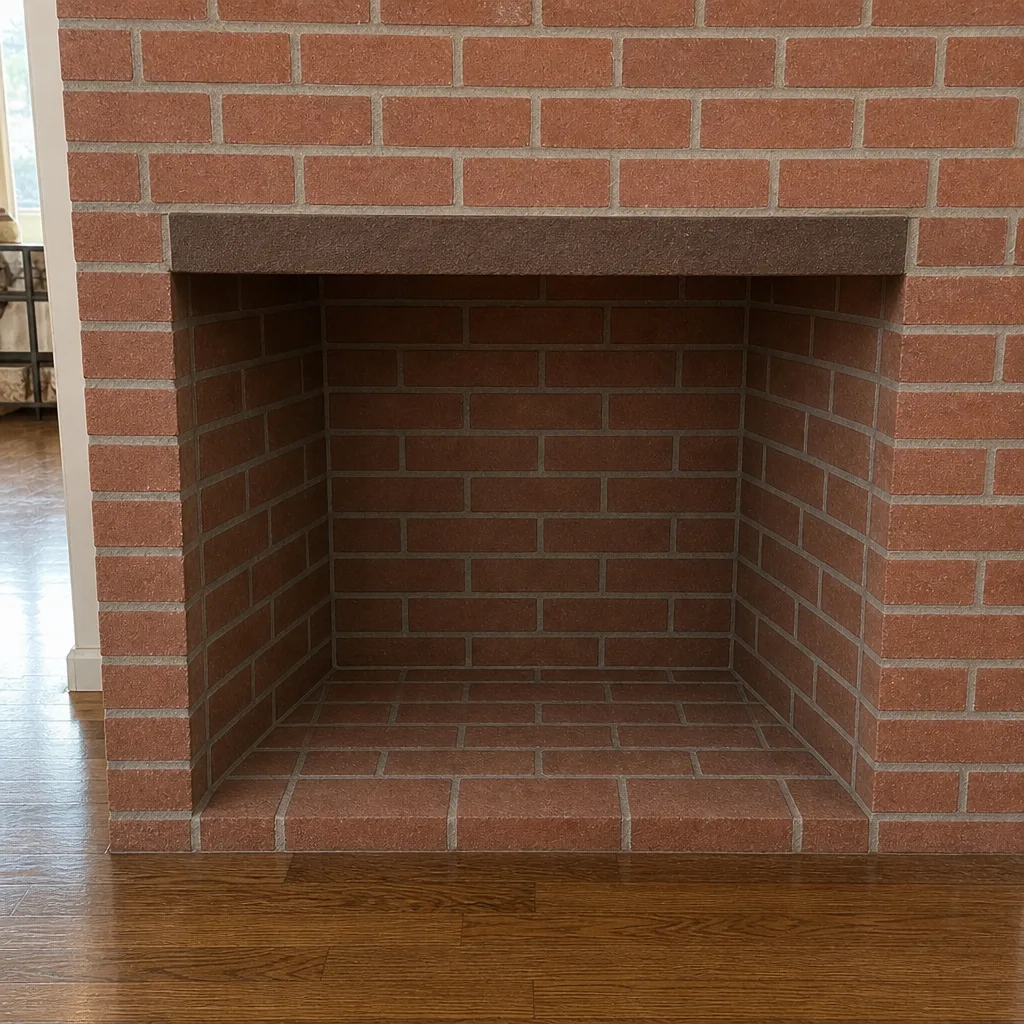
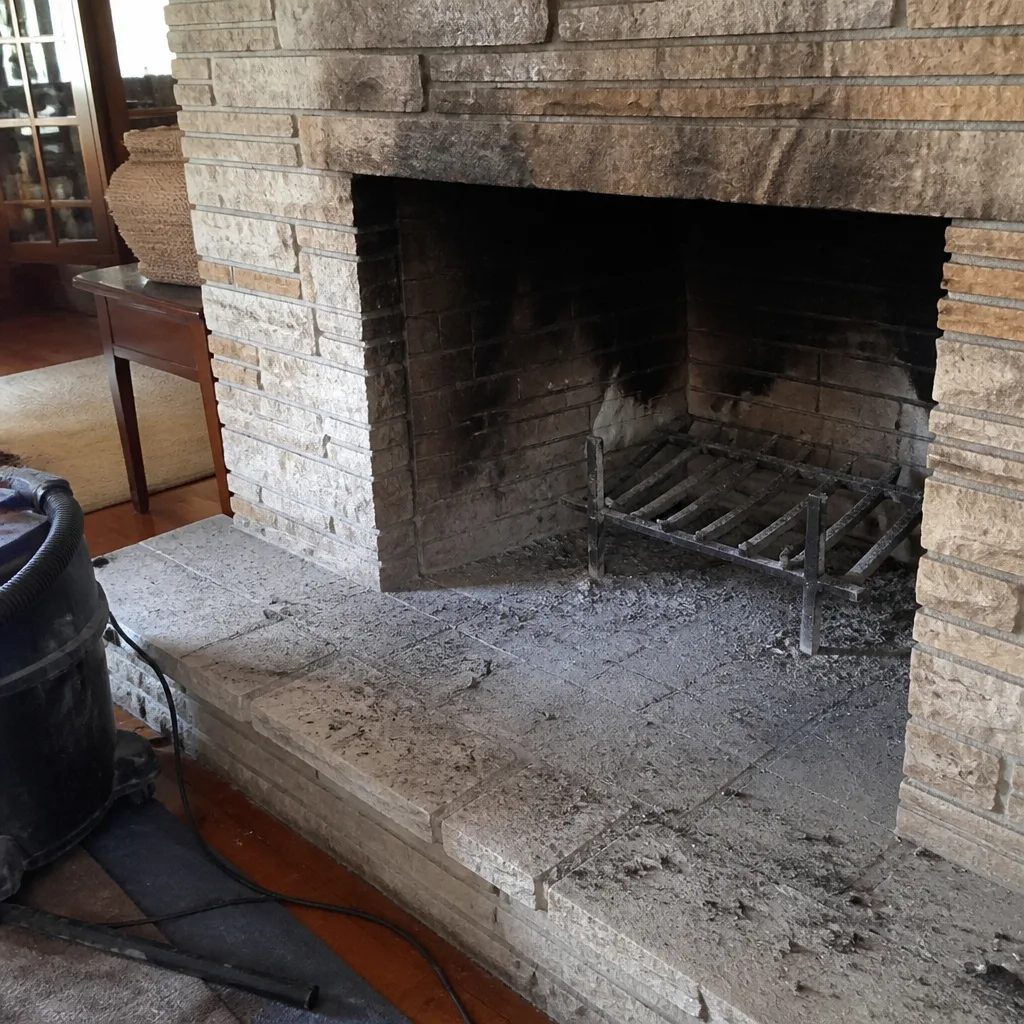
See the difference
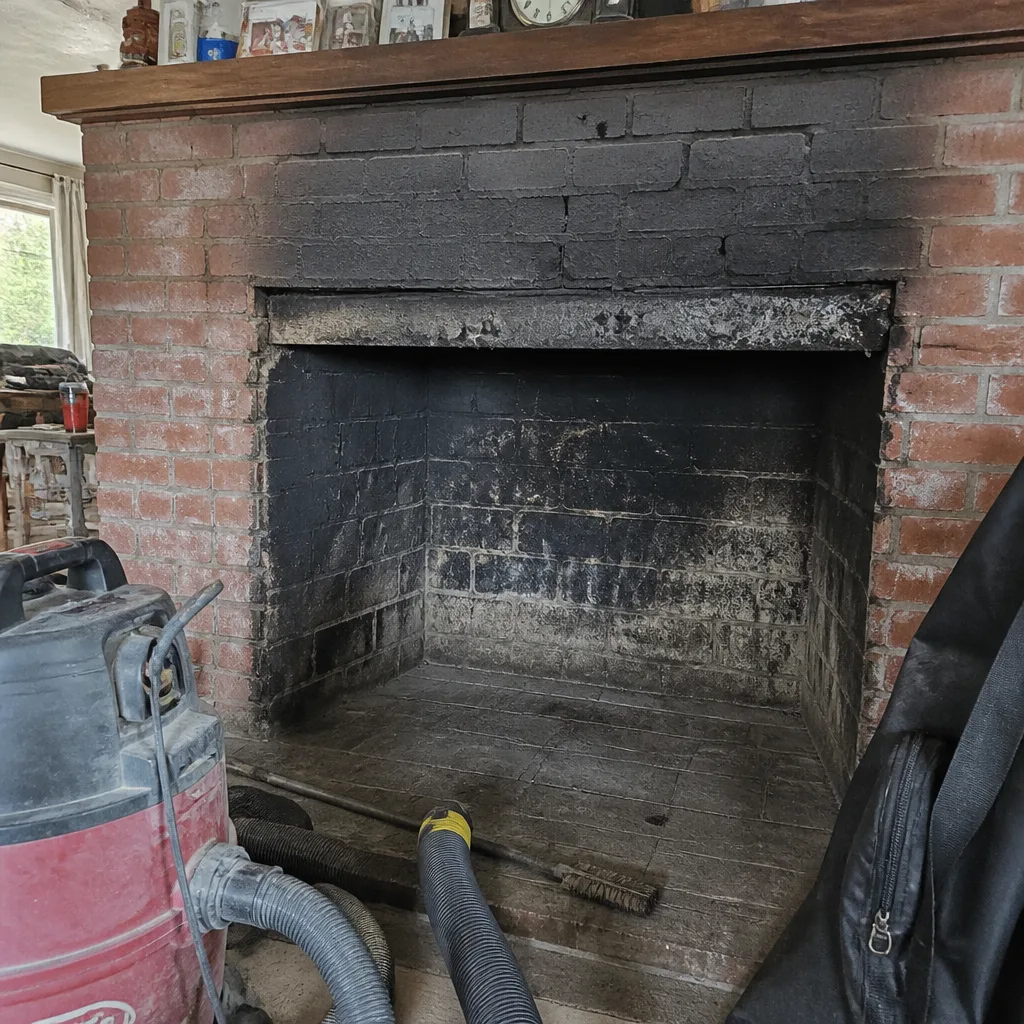 Before
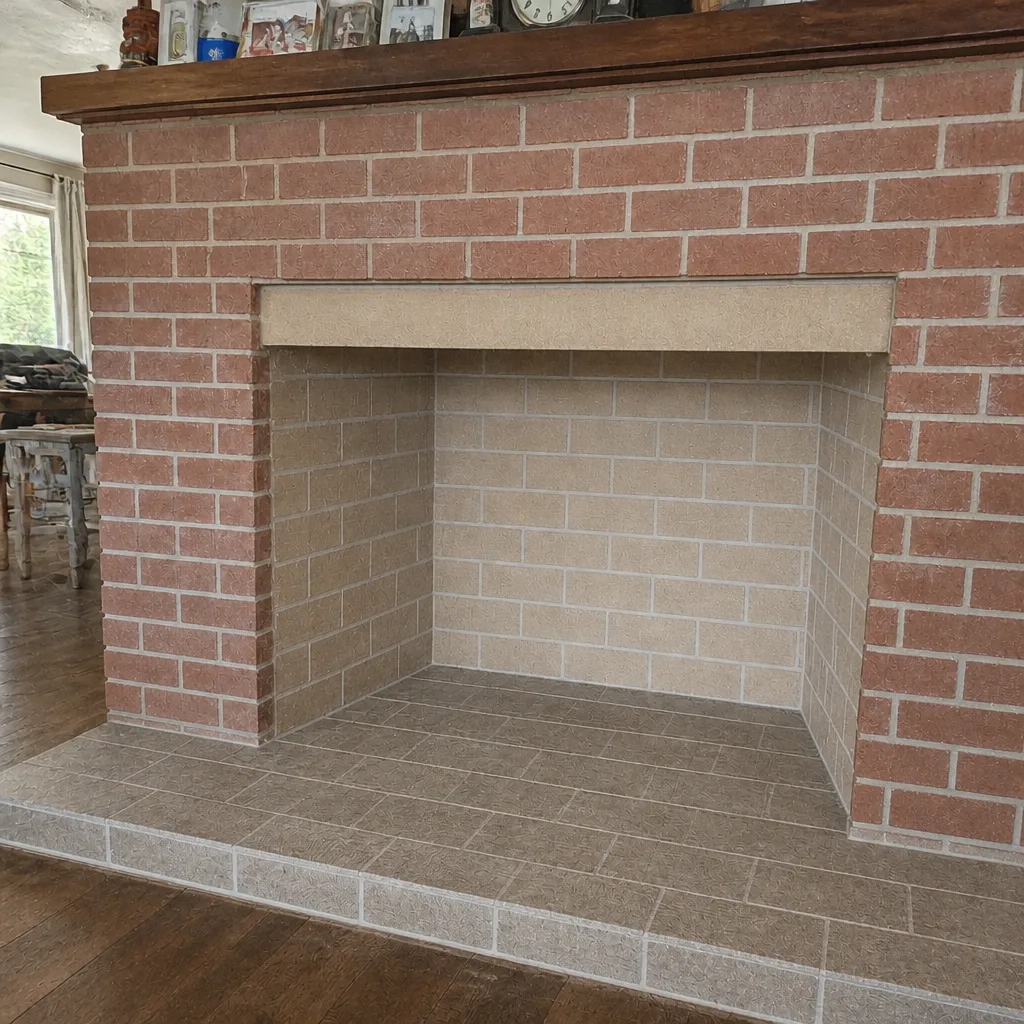 After
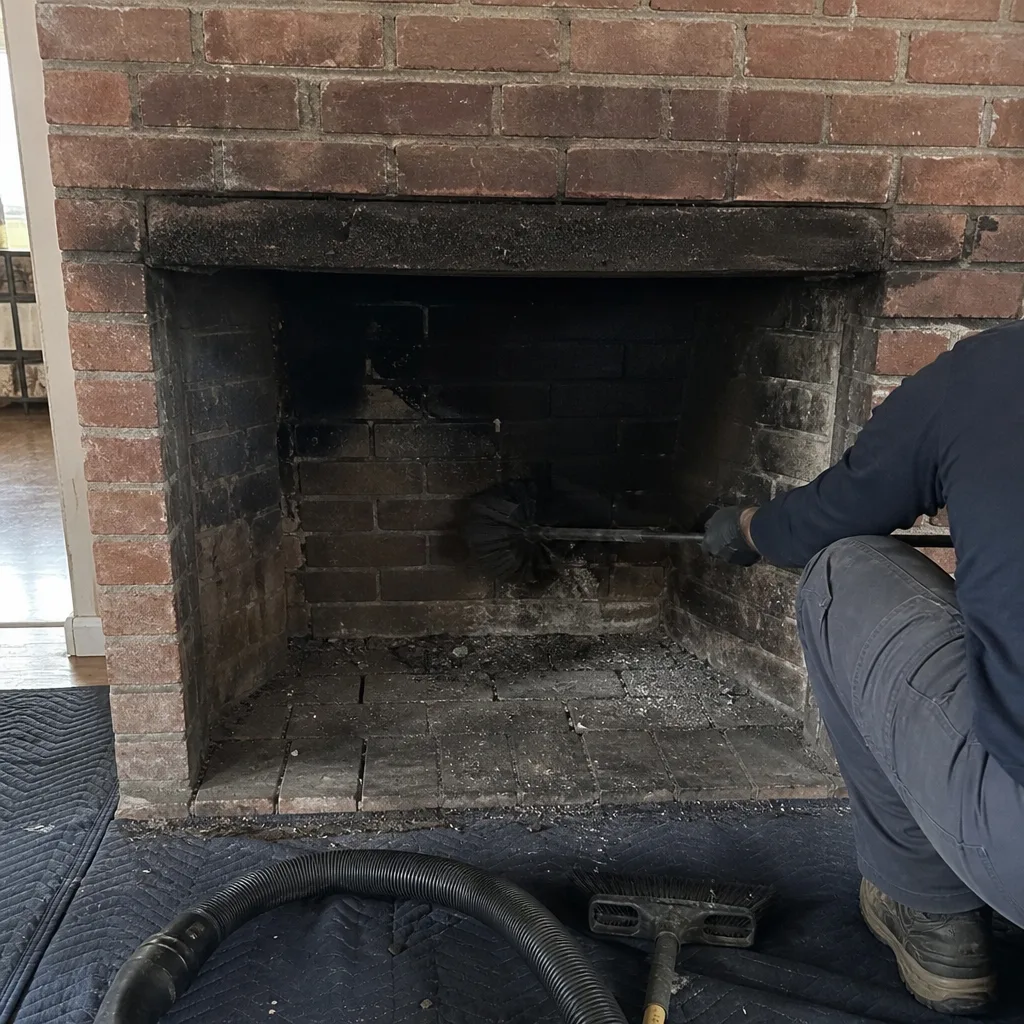 Before
 After
 Before
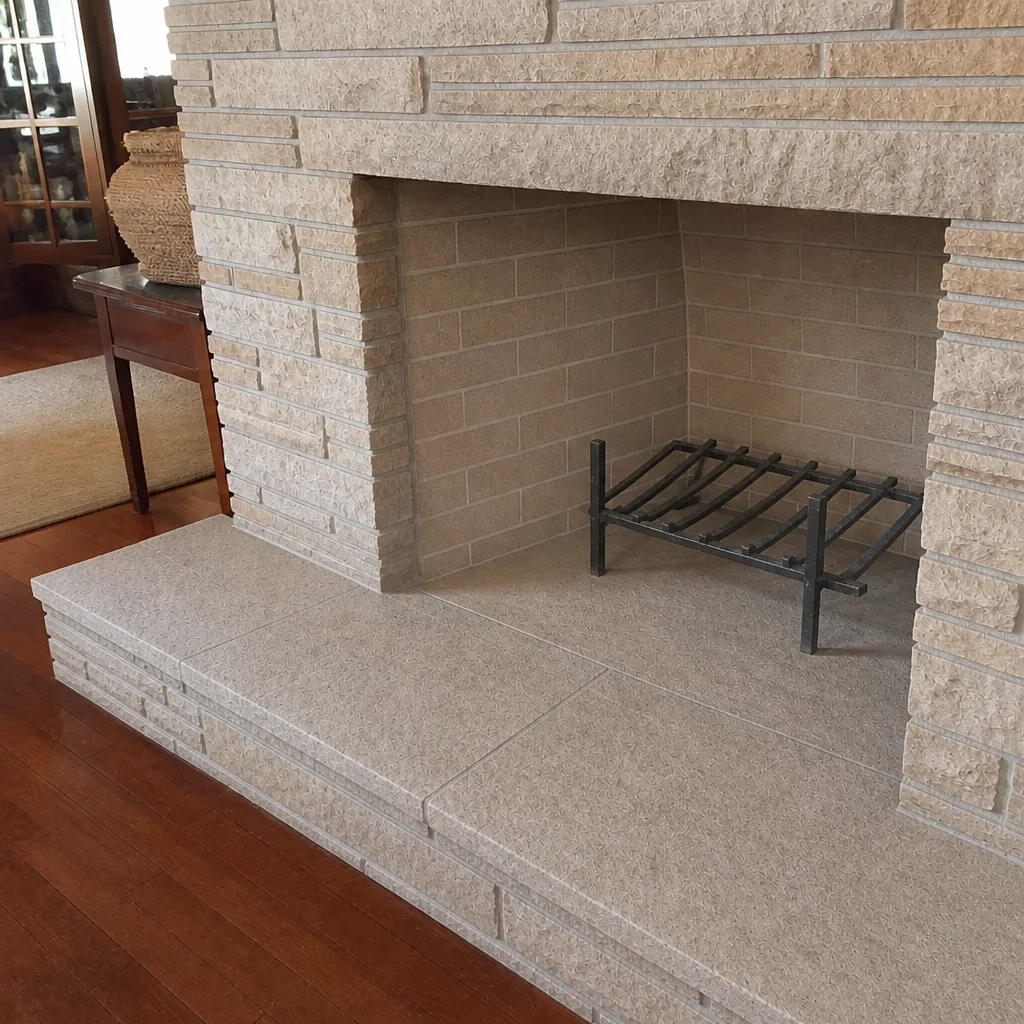 After
When to Call a Professional
Call a professional if any of the following is true: it’s been more than a season since the last cleaning; you’ve moved into a new home and don’t have chimney records; you see glazed, tar-like creosote on the flue walls; your fires smoke into the room or struggle to stay lit; you have a fireplace insert or wood stove; you’ve spotted a cracked crown, a missing cap, or water staining on the firebox ceiling; or you want a written inspection report for insurance or a home sale. Chimney Sweep Englewood offers free estimates in Englewood. Call (866) 431-6293. We answer 24/7, and fast dispatch runs from 7am to 7pm, Sunday through Friday.
Frequently Asked Questions
A typical chimney sweep in Englewood usually falls in the range of a couple hundred dollars for a standard cleaning with inspection, and more if the flue has heavy glazed creosote that needs rotary work. The written estimate sets the final price before any work starts, and estimates are free. Call (866) 431-6293 for an exact quote.
You can remove loose soot with a brush, but you can’t remove glazed creosote, inspect the liner, or see damage above the firebox. For a lightly used flue in good condition, a brush does the visible work. For an older flue with heavy use, the brush pass leaves the problems that matter. Call (866) 431-6293 if you want a camera inspection to see what’s actually there.
Once a year is the standard for a wood-burning fireplace in regular use, and it’s the right interval for most Englewood homes. Heavy burners, inserts, and wood stoves may need more frequent cleaning. Lighter use might stretch to every other year if the flue is inspected and found clean. Call (866) 431-6293 and we’ll help you pick the right interval.
Creosote builds up and can ignite, causing a chimney fire that can crack the liner and let heat into the surrounding structure. A blockage can also send carbon monoxide back into the home instead of up the flue. Skipping a cleaning doesn’t fail immediately, and that’s the trap: the risk builds quietly across seasons. Call (866) 431-6293 to get it checked before the first fire of the season.
You need a new liner if the camera shows cracked or eroded tiles that can’t be resurfaced. You don’t need one if the liner is sound, and a good sweep will show you the photos so you can judge for yourself. Some liners can be restored with HeatShield resurfacing instead of a full replacement, which is a less invasive fix. Call (866) 431-6293 and ask for the photo report before any liner work is recommended.
It can, depending on what the inspection finds. A cleaning addresses the flue and firebox, and a fireplace repair handles the firebox components, damper, and glass. Caps, crowns, and liners are also part of the scope, so you’re not handing off to a second contractor. Call (866) 431-6293 to book an inspection and find out what your fireplace needs.
It’s not safe to light a fire in a flue that hasn’t been inspected in years, especially in an older Englewood home where the liner condition is unknown. The first fire of the season is the one that finds the cracks and the blockages. Have it inspected before you burn. Call (866) 431-6293 to get it on the schedule.
A damaged or missing cap lets water and animals into the flue and is a common cause of the water intrusion that shows up as staining and masonry damage. Caps and crowns are part of our scope, and we install Gelco and Famco caps and covers. Call (866) 431-6293 and we’ll inspect the cap as part of the sweep.
The Bottom Line
The DIY chimney cleaning question isn’t about whether you can push a brush. It’s about what you can’t see. A brush handles loose soot, and that’s genuinely useful, but it leaves the glazed creosote, the cracked liner tiles, and the eroded smoke chamber that are the real fire risks. In Englewood’s older housing stock, the odds that a DIY sweep is missing something structural go up, not down. The safe approach is straightforward: handle the glass, the ash, and the visual check yourself, and book a professional cleaning with camera inspection for everything above the firebox. When you book with us, you get the rotary cleaning, the photo report, and the written findings, and you get a straight answer about whether your flue is fine or needs work.
Call Chimney Sweep Englewood at (866) 431-6293 for a free estimate. We answer 24/7. Fast dispatch from 7am to 7pm, Sunday through Friday.
Written by the team at Chimney Sweep Englewood.