
Last updated November 24, 2026
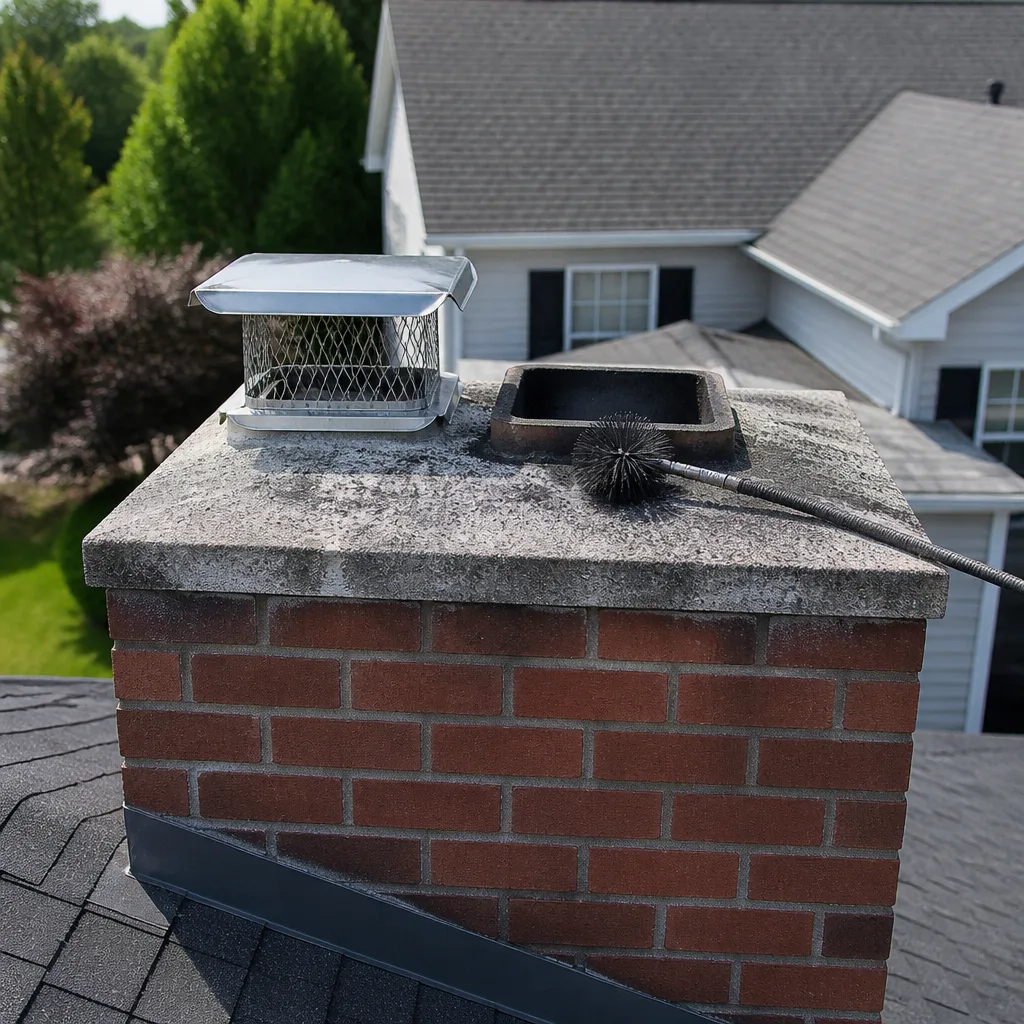 Sweep & inspection
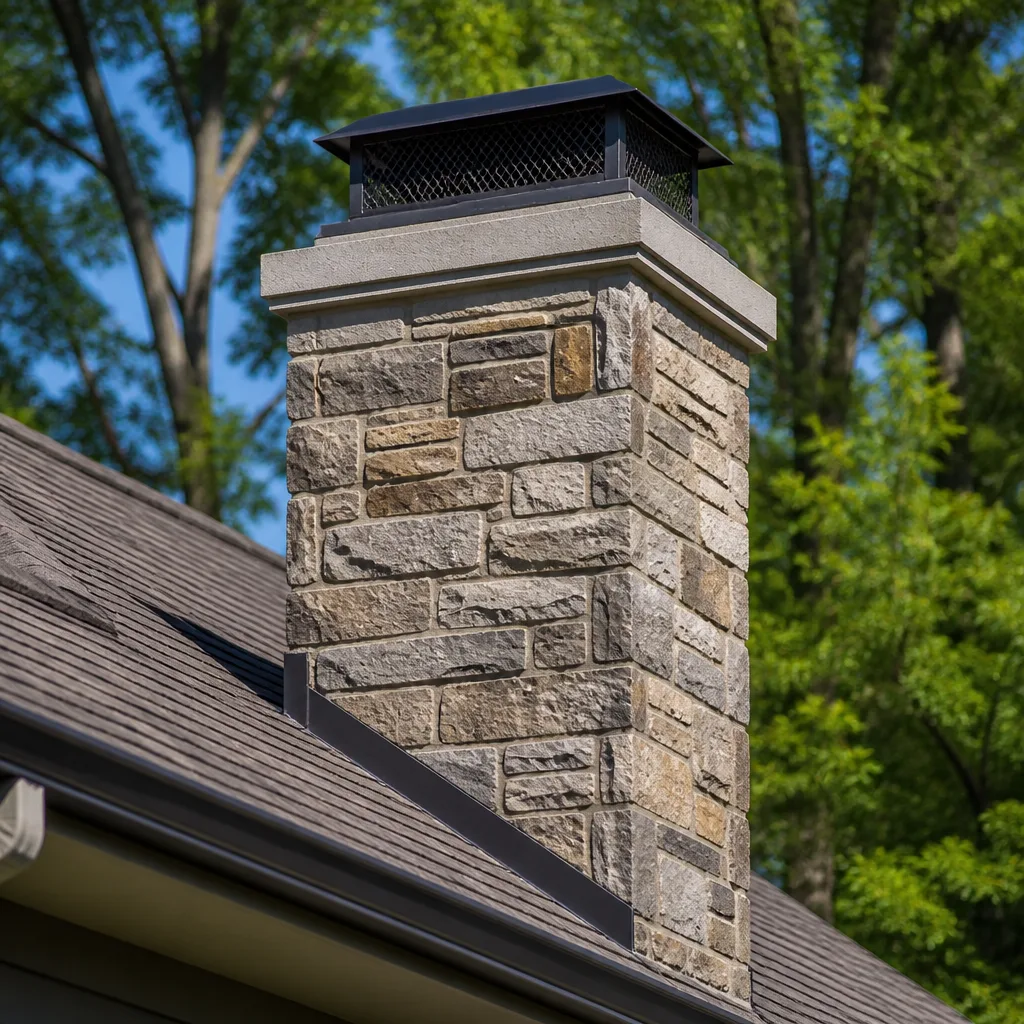 Caps & crowns
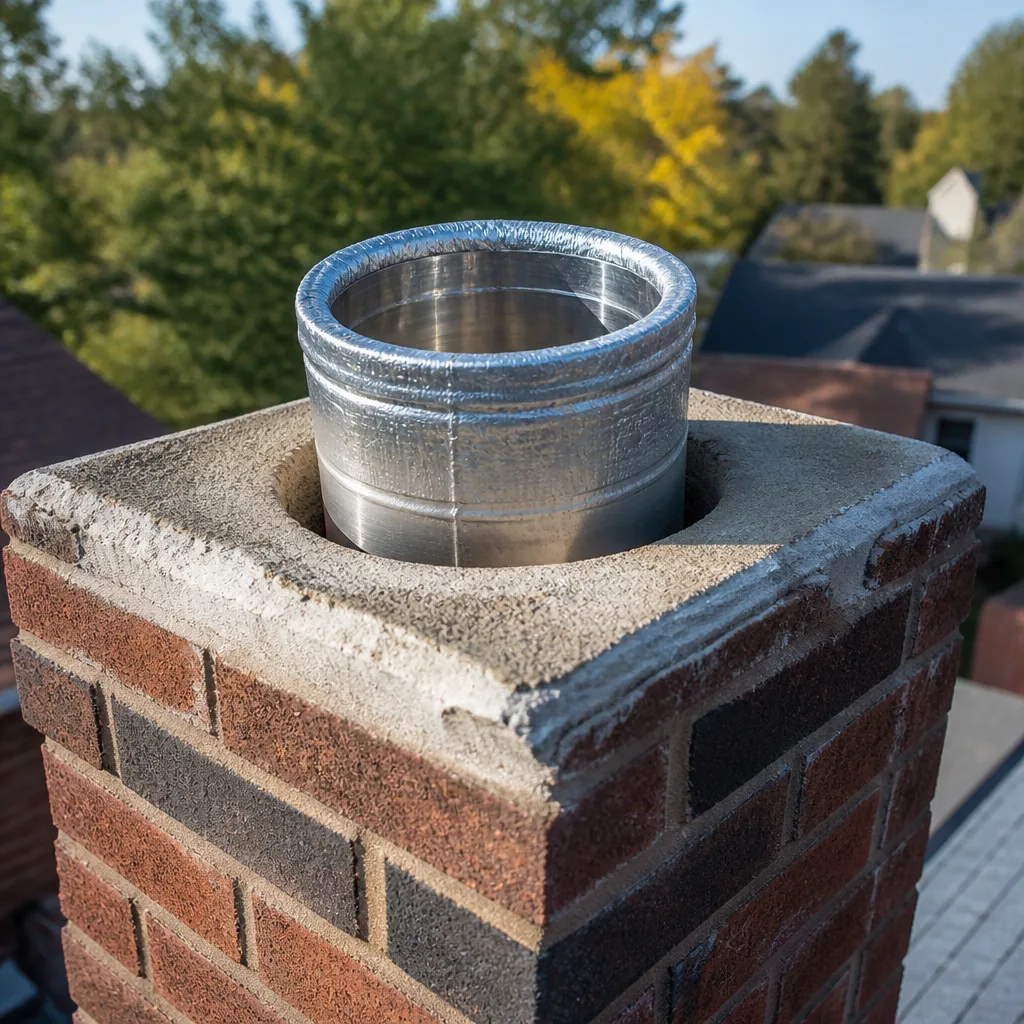 Flue relining
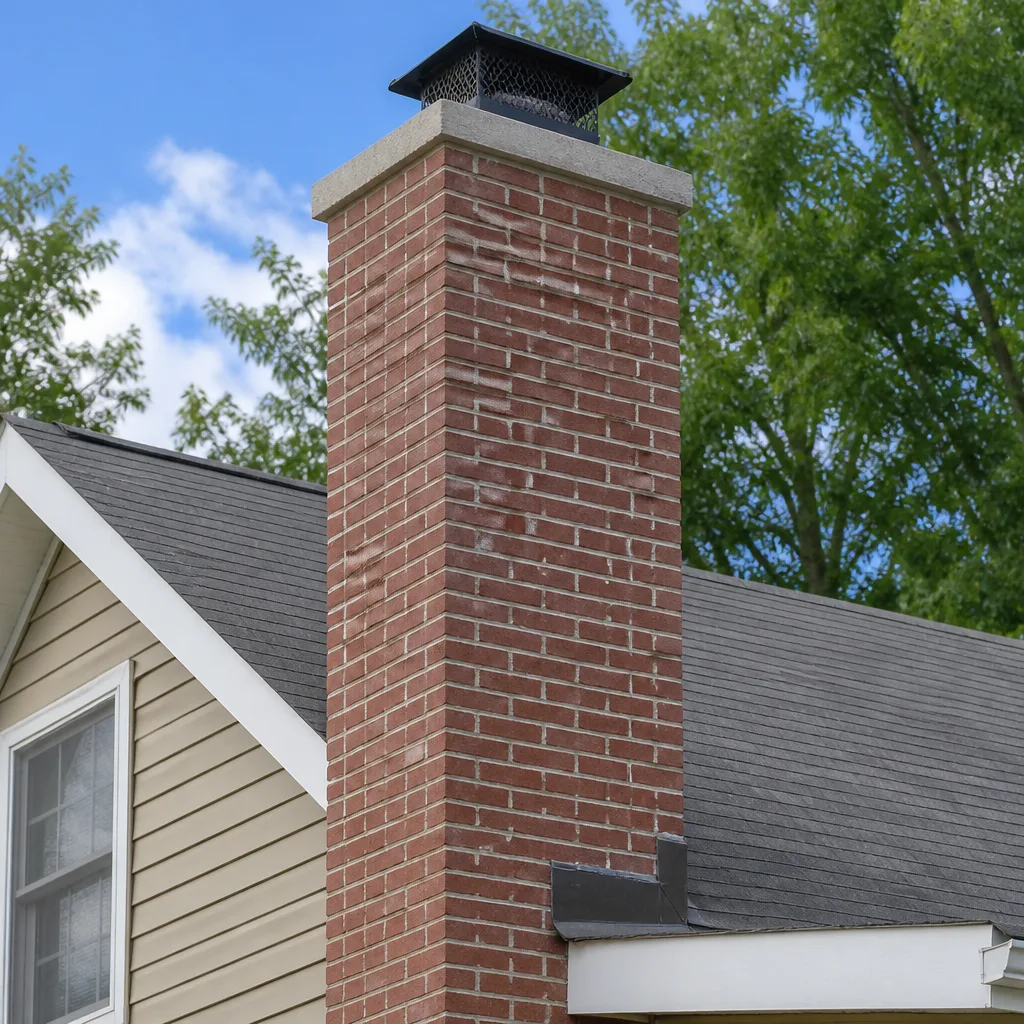 Masonry repair
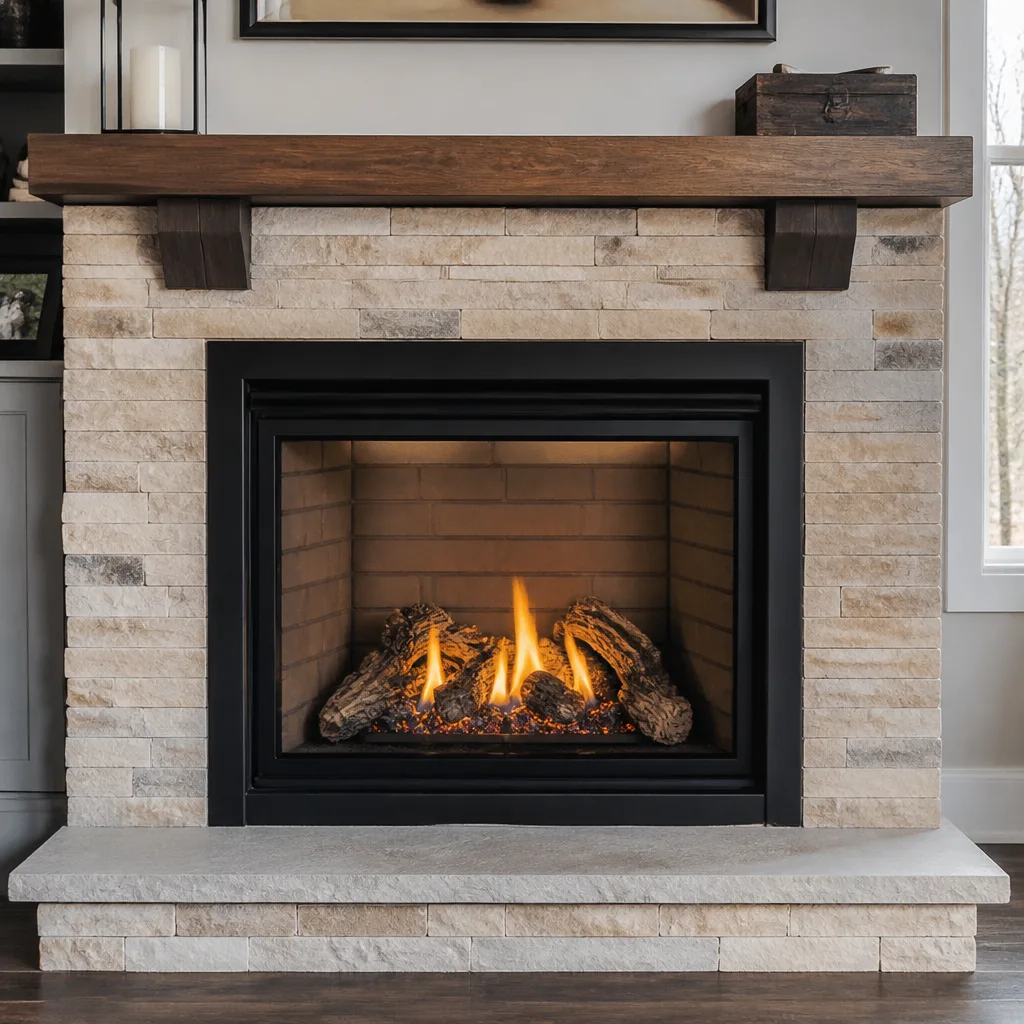 Gas fireplace service
Level 1 sweep and inspection to the NFPA 211 annual standard - flue, crown, cap, and flashing checked and photographed
Chimney sweep logs do not sweep chimneys. They loosen some creosote - which then falls where a brush and vacuum still have to collect it.
Choosing the Right Chimney Cleaning Brand: A Buyer’s Guide for Englewood
Most homeowners hire a chimney company by asking one question: what does a sweep cost? That’s the wrong first question. The materials matter more. Two liners can both carry UL 1777 and both pass a code inspection, yet one will hold up through twenty Englewood winters while the other starts failing within a few seasons. The difference isn’t labor. It’s the product tier the contractor chose at the supply house, and you can’t see that tier through your fireplace opening. This guide makes it visible. You’ll learn which product categories separate a professional-grade chimney company from a generalist with a brush, how to ask the right questions, and what an evasive answer sounds like. Every point is grounded in Englewood’s freeze-thaw climate, because that climate punishes cheap materials harder than most.
Quick Answer
The right chimney cleaning brand for an Englewood home is one that specifies professional trade materials by name, not generic supply-house substitutes. Look for named liner systems like DuraFlex, ceramic resurfacing products like HeatShield, and caps from dedicated chimney supply lines. A company that can tell you exactly what products go into your flue is a company that stands behind the work.
Styles & brands we work with
- Sweep & inspection
- Caps & crowns
- Flue relining
- Masonry repair
- Gas fireplace service
Table of Contents
- Why the Brand Behind the Brush Matters More Than the Brush
- The Four Product Categories That Separate a Specialist From a Generalist
- HeatShield Resurfacing vs. DIY Repair Mortars
- How to Interview a Contractor About Materials
- What a 20-Year Liner Warranty Actually Requires
- Why Englewood’s Freeze-Thaw Climate Demands Flexible Liners
- Caps, Crowns, and Water Intrusion: Where Cheap Products Fail First
- One Specialist, Full Scope: Why Handoffs Hurt
Why the Brand Behind the Brush Matters More Than the Brush
A chimney sweep is a labor service. A chimney repair is a product decision. Most homeowners shop for the labor and never think about the product, which is exactly backwards. The brush work is standardized across the trade: any competent technician with the right rods and a proper vacuum can clean a flue. The repair work is where materials diverge, and where the cost of getting it wrong shows up years later as a cracked crown, a rusted liner, or water staining a ceiling below the chimney chase.
Here’s the problem. When a generalist handyman offers chimney cleaning as a side service, he’s buying supplies from a general building supply house. When a furnace company adds a sweep to an HVAC visit, the technician may carry only the brushes and a few consumer-grade sealants. Those products work in warmer climates where the seasonal swing is gentle. They fail in Englewood, where the temperature regularly crosses the freezing point in both directions through the winter. Water gets into a tiny crack, freezes, expands, opens the crack wider, thaws, and does it again. Every cycle costs you a little more masonry.
Professional chimney supply lines exist for a reason. DuraFlex, HeatShield, Gelco, Olympia Chimney, Famco, and Copperfield are brands the trade specifies by name because each one is engineered for the conditions a chimney actually sees: combustion gas, condensate, freeze-thaw movement, and the steady heat expansion of a working flue. We work exclusively with these product lines. Not because they’re premium for the sake of premium, but because the alternatives don’t survive a Colorado winter in the same way.
When you’re comparing companies, the labor quote is almost identical. The material tier is the real variable. That’s the difference this guide is written to expose.
The Four Product Categories That Separate a Specialist From a Generalist
Chimney work touches four product categories, and quality varies wildly in each. A generalist will often use a lower-tier product in every one. Here’s what to look for.
Liner systems
The flue liner is the single most important chimney component you can’t see. Modern liners are flexible stainless steel, and while many are UL 1777 listed, the specification that matters is the alloy and the wall thickness. A thicker-wall liner with better corrosion resistance will last longer in a flue that sees acidic condensate from a wood-burning appliance. DuraFlex is a flexible liner line that certified chimney professionals specify for durability and code compliance. If a contractor tells you a liner is “stainless steel” without naming the line or the grade, that’s not a sufficient answer.
Smoke chamber repair compounds
The smoke chamber is the sloped area above the damper. It’s often rough masonry, and rough masonry collects creosote and restricts the smoke path. A specialist parries the smoke chamber smooth; a generalist often skips it because it requires a specialty compound. HeatShield is the professional-grade system here, and it’s the main topic of the next section.
Crown coatings and sealants
The chimney crown is the concrete cap on top that sheds water away from the flue. Cheap crown mixes and film-forming sealants trap moisture inside the masonry. Breathable, professional-grade coatings let vapor escape while shedding rain. In a freeze-thaw climate, a coating that seals water in can spall the masonry faster than no coating at all.
Caps and covers
Single-flue caps are available from any hardware store, and most of them are made of galvanized or thin material that rusts or blows off within a few seasons. Professional caps from Gelco and Famco are built for snow load, wind, and the constant freeze-thaw cycle that pushes a cheap cap loose. We install caps and covers sourced from dedicated chimney supply lines because we’ve seen what generic hardware looks like after a winter.
HeatShield Resurfacing vs. DIY Repair Mortars
HeatShield is a ceramic flue resurfacing system that repairs a deteriorating liner from the inside without a full tear-out. It’s a specialty method. Most basic sweep services don’t offer it, and many generalists haven’t heard of it. In a flue with cracked or damaged tiles, the difference between resurfacing and a mortar patch can be the difference between a stable flue and a recurring problem.
Here’s the failure-mode comparison. A standard refractory mortar patch seals the visible crack. It doesn’t bond chemically to hot, acidic, temporarily dry surfaces the way a ceramic resurfacing system does. Within a few heating seasons, the patch can shrink and pull away from the tile face because the mortar and the tile move at different rates under heat expansion. The crack reopens. Meanwhile, the ceramic product is applied as a coating that cures into a hard, smooth liner surface continuous with the tile.
The applications differ, too. A mortar patch is a spot fix. HeatShield resurfacing covers the full flue interior, which means it repairs the cracks you can see and the ones you can’t. This matters in older Englewood homes, where flues built to a different standard may have multiple hairline fractures distributed across the length of the liner.
Not every flue qualifies for resurfacing. If the tiles are too damaged, are structurally unsound, or the flue is too irregular, a DuraFlex relining is the correct answer instead. The point isn’t that HeatShield is always the solution. The point is that a specialist knows both methods, evaluates the flue with a camera inspection, and recommends the right one based on what the camera shows. A generalist offers only the one he knows.
Ask any company whether they offer ceramic flue resurfacing. If they pause, ask what they’d do with a flue that has scattered hairline cracks in the tile face. You’ll learn more from how they answer than from any brochure.
How to Interview a Contractor About Materials
You don’t need to be a chimney professional to ask the right questions. You just need to know which questions separate a specialist from a generalist. Here’s a script you can use with any company you’re considering in Englewood.
- Ask for a specific liner brand. “What liner system do you install?” An acceptable answer names a product line. An evasive answer is “stainless steel” or “whatever the customer wants.”
- Ask about the smoke chamber. “Do you parry the smoke chamber? With what?” A specialist talks about HeatShield or a comparable ceramic system. A generalist may say “we don’t do that part.”
- Ask about crown coatings. “Is your crown coating breathable or film-forming?” An acceptable answer mentions vapor-permeable products. An evasive answer is “we just use a Masonry waterproofing spray.”
- Ask what happens if the flue doesn’t qualify for resurfacing. “What’s the alternative?” A specialist names a specific liner line. A generalist usually can’t say.
- Ask how the camera report is delivered. “Will I see the video or photos?” A specialist sends the inspection report. A generalist may say “I’ll let you know what I find.”
- Ask what the warranty on the liner covers. A liner warranty is usually tied to the product specification, so the answer tells you whether they install to that spec.
What to listen for: specific brand names, references to code compliance, and a willingness to send you the camera report. What counts as evasive: “every brand is basically the same,” “we use whatever’s on the truck,” “our work speaks for itself.”
Our technicians have up to 13 years of experience. In that time we’ve learned that the homeowner who asks the material question is the homeowner whose chimney holds up. A chimney sweep handles the cleaning. The material questions handle everything that comes after.
What a 20-Year Liner Warranty Actually Requires
A long warranty is not a guarantee. It’s a promise conditioned on the product meeting a specification. When you see a 20-year liner warranty in a chimney contract, the warranty is usually backed by the product manufacturer, not the installer, and the manufacturer pays nothing if the liner wasn’t installed to spec. This is where product tier suddenly becomes a warranty question.
The typical conditions behind a long liner warranty include:
- The liner is a specific listed product line, not a generic equivalent.
- The liner is insulated for the appliance type it serves.
- The appliance is burning fuel to manufacturer’s specification, with no over-firing.
- The flue is not subject to conditions the liner wasn’t designed for (unlined masonry in direct contact, for example).
- The installing contractor followed the manufacturer’s instructions and documentation is on file.
If a contractor installs a generic liner or an unlisted product, the warranty becomes effectively unenforceable. The manufacturer will say the installation didn’t meet the standard. The installer may have moved on. You’re left with a failing flue and no recourse.
This is one reason we specify DuraFlex for relining work: it’s a product line certified chimney professionals specify, which means the warranty terms are backed by a manufacturer who expects the installer to follow the spec. Ask a contractor to show you the warranty documentation before signing. A specialist will have it. A generalist may say “the office has it somewhere.”
A chimney inspection isn’t just about the current state. It’s also the record that protects your warranty claim years later. Any chimney repair should come with camera documentation so you have proof the job was done right from day one.
Why Englewood’s Freeze-Thaw Climate Demands Flexible Liners
Englewood sits along the Front Range, and the Front Range is one of the most punishing climates in the country for masonry and metal construction, chimney included. Here’s why. The daily temperature swing through the winter is large enough to push the air temperature above and below freezing repeatedly. Water sitting in a hairline crack freezes, expands roughly nine percent, and pushes the crack wider. The thaw doesn’t undo the damage. A flue that would last decades in a warmer, more stable climate can degrade noticeably faster here.
That’s why the material selection for an Englewood chimney isn’t a preference. It’s a specification.
Flexible liners vs. rigid liners
A rigid liner is a stack of straight pipe sections. It performs well in a straight, undamaged flue with no offsets. When the flue has an offset, an oval cross-section, or a small crack the pipe sections can’t follow around, the rigid liner either doesn’t fit or leaves gaps. A flexible liner like DuraFlex conforms to the flue’s actual interior, so it stays fully supported and doesn’t develop stress points. In a freeze-thaw climate where the masonry itself is moving slightly with every cycle, the liner needs to move with it, not fight it.
Breathable coatings vs. film-forming sealants
Masonry is porous. It absorbs moisture from rain, from combustion, and from the ground. In a freeze-thaw climate, sealing that moisture inside the masonry is worse than leaving it unsealed, because the trapped water still freezes and expands. A breathable waterproofing product lets vapor escape while shedding liquid water at the surface. A film-forming sealant blocks both. Ask your contractor which type they use; the answer tells you whether they understand the climate or just the product shelf.
Crown materials and joint design
The chimney crown is the first line of defense against water getting into the flue. A cheap crown or a thin, unsealed crown cracks at the flue collar and lets water run down the outside of the flue. A professional-grade crown coating is designed to bridge those small cracks and shed water away from the collar. We install crowns from trade supply lines because a hardware-store crown mix is designed for a different climate and a different standard of care.
This isn’t regional chauvinism. It’s the reason a Denver-Front Range chimney spec differs from a Florida or a coastal spec. Englewood homes need materials built for movement, moisture cycling, and large seasonal swings. Any contractor recommending a rigid liner or a non-breathable sealant in Englewood is recommending the wrong product for the climate, regardless of how nice the price sounds.
Caps, Crowns, and Water Intrusion: Where Cheap Products Fail First
Water damage is the leading cause of chimney repair in Englewood, and the entry points are the cap and the crown. Most chimney leaks start at the top, not from a structural defect in the flue itself. That’s good news for a homeowner willing to fix the problem at the source.
Here’s where the failures happen:
- Cap rust and loss. A thin galvanized cap develops rust at the fasteners and at the seams within a few seasons. Wind gets under it, and the cap either lifts or tears away. Once it’s gone, rain and snow blow directly into the flue.
- Missing spark arrestor mesh. A cap without proper mesh lets birds and debris into the flue. Nests block the flue and turn a routine sweep into a repair job.
- Crown cracking at the flue collar. The crown shrinks away from the flue as it cures, leaving a small gap. Water enters the gap and runs down the flue’s outside face. Over several freeze-thaw cycles, the gap widens into a real leak.
- Crown spalling from a film-forming sealant. A non-breathable sealant on the crown traps water vapor, which then expands under the coating and blasts the crown surface off in flakes. The crown is now worse off than it was uncoated.
- Improperly angled crowns. A crown that drains toward the flue instead of away from it is working against you. A proper crown has a slope and a drip edge.
We install Gelco and Famco caps because the trade supply lines are built to survive the snow load and wind that come with a Front Range winter. We install crowns from trade products, not from a bag of generic concrete mix, because the crown is the piece most likely to fail and the piece most likely to be overlooked. Any company that offers a sweep but not a cap and crown inspection isn’t addressing the root of the problem.
If you’re comparing quotes, ask whether the crown and cap inspection are included. If they aren’t, the sweep is cleaning a chimney that will leak next spring.
One Specialist, Full Scope: Why Handoffs Hurt
Chimney work is a connected system. The sweep reveals the condition of the flue. The inspection with a camera reveals the cracks in the liner and the smoke chamber. The repair involves relining or resurfacing. The cap and crown protect the repair. If a different company handles each step, small problems slip through the cracks. This is why we offer the full chimney scope under one call: chimney sweeping, inspection, chimney repair, fireplace repair, and chimney cap and crown installation and replacement.
The handoff problem shows up in ordinary ways. A sweep company finds a cracked tile but doesn’t do relining. The liner company installs a new liner but doesn’t touch the crown. The crown is still cracked, so water is still entering the chase, so the new liner is now soaking wet from the outside. None of these companies did anything wrong individually. The system failed because nobody owned the whole chimney.
When a single specialist handles the scope, the recommendation is not “you need a new liner” in isolation. It’s “the camera shows a cracked tile here and a crack at the crown collar here, and both should be addressed. Here’s the photo.” That’s a materially different conversation. It also means nothing gets recommended without evidence you can see for yourself. Ask for the camera report. A specialist will hand it over.
We use the same materials chimney professionals specify by name, not generic hardware-store alternatives. DuraFlex for relining. HeatShield for ceramic flue resurfacing. Gelco and Famco for caps and covers. Olympia Chimney products where they fit the job. Those brands exist in the trade for a reason, and each represents a product tier that hardware-store alternatives don’t match.
Common Mistakes to Avoid
- Hiring on price alone. The cheapest quote in Englewood usually means the cheapest materials. The liner will work, briefly, and the difference shows up in the first hard winter.
- Accepting “stainless steel” as an answer. Every liner on the market today is stainless steel. The question is which product and which grade. Ask for a specific brand and confirm it’s on the contract.
- Skipping the camera inspection. A sweep without a camera report tells you the flue is clean. It doesn’t tell you the flue is safe. Any Chimney Sweep Englewood job should include camera documentation of what the sweep found.
- Sealing the crown with a film-forming product. In Englewood’s freeze-thaw climate, a non-breathable sealant traps water in the masonry and accelerates spalling. Ask for a breathable coating.
- Letting a generalist “just clean it.” A handyman adding a sweep to a furnace visit doesn’t have the material relationships or the camera equipment to handle the diagnosis that matters. Use a specialist.
- Ignoring the cap. A rusted or missing cap is the single most common cause of water intrusion. It’s also one of the least expensive repairs. Replacing it before the liner fails saves you the liner.
- Trusting a warranty without the paperwork. Ask for the manufacturer’s warranty on any liner installed. If the warranty is “from the installer,” get it in writing. If it’s “from the manufacturer,” confirm the product model is listed.
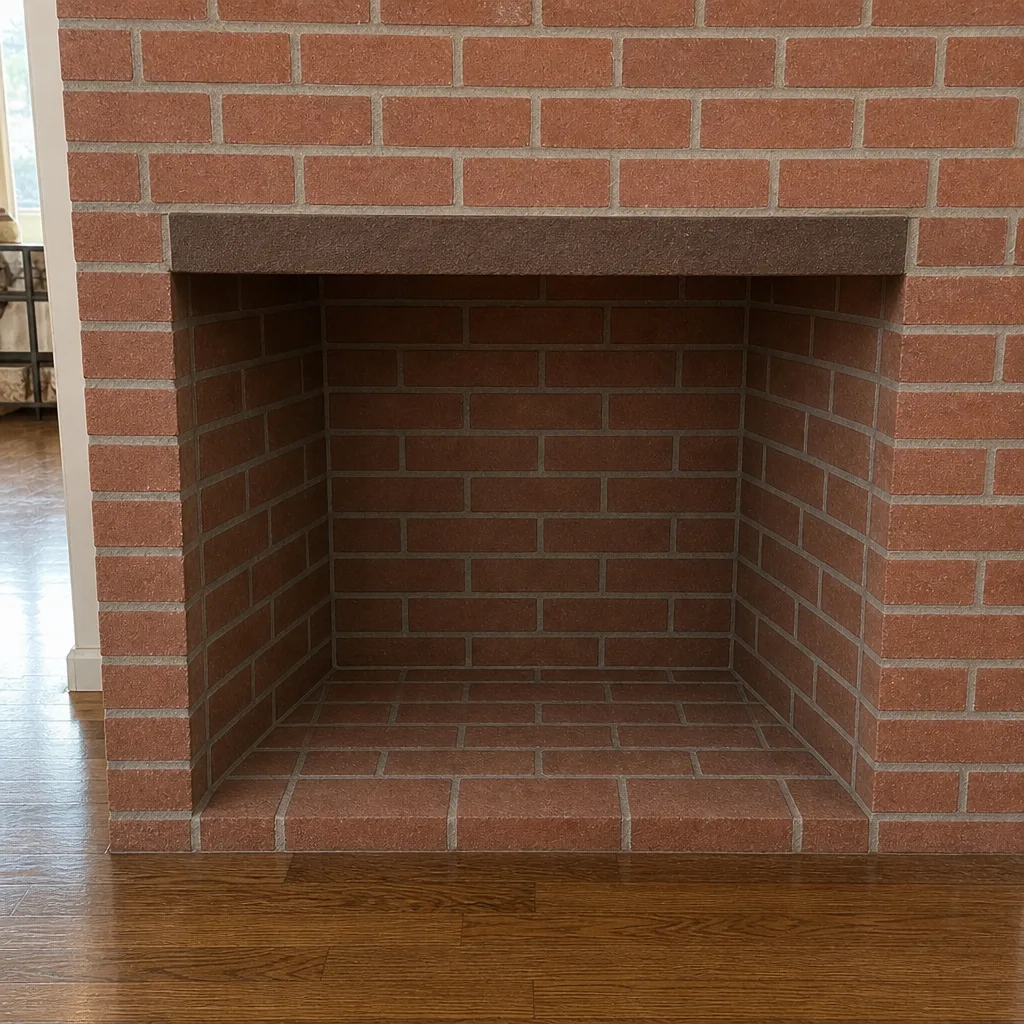
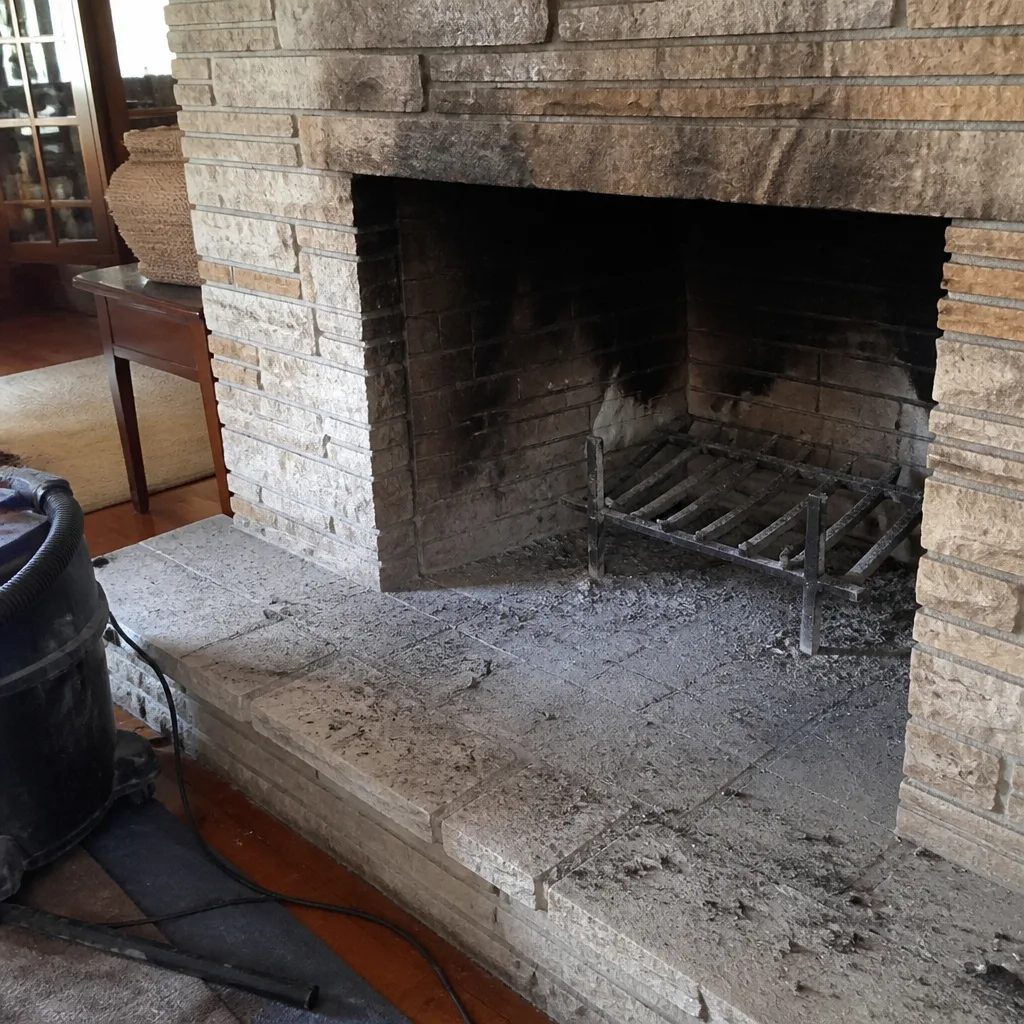
See the difference
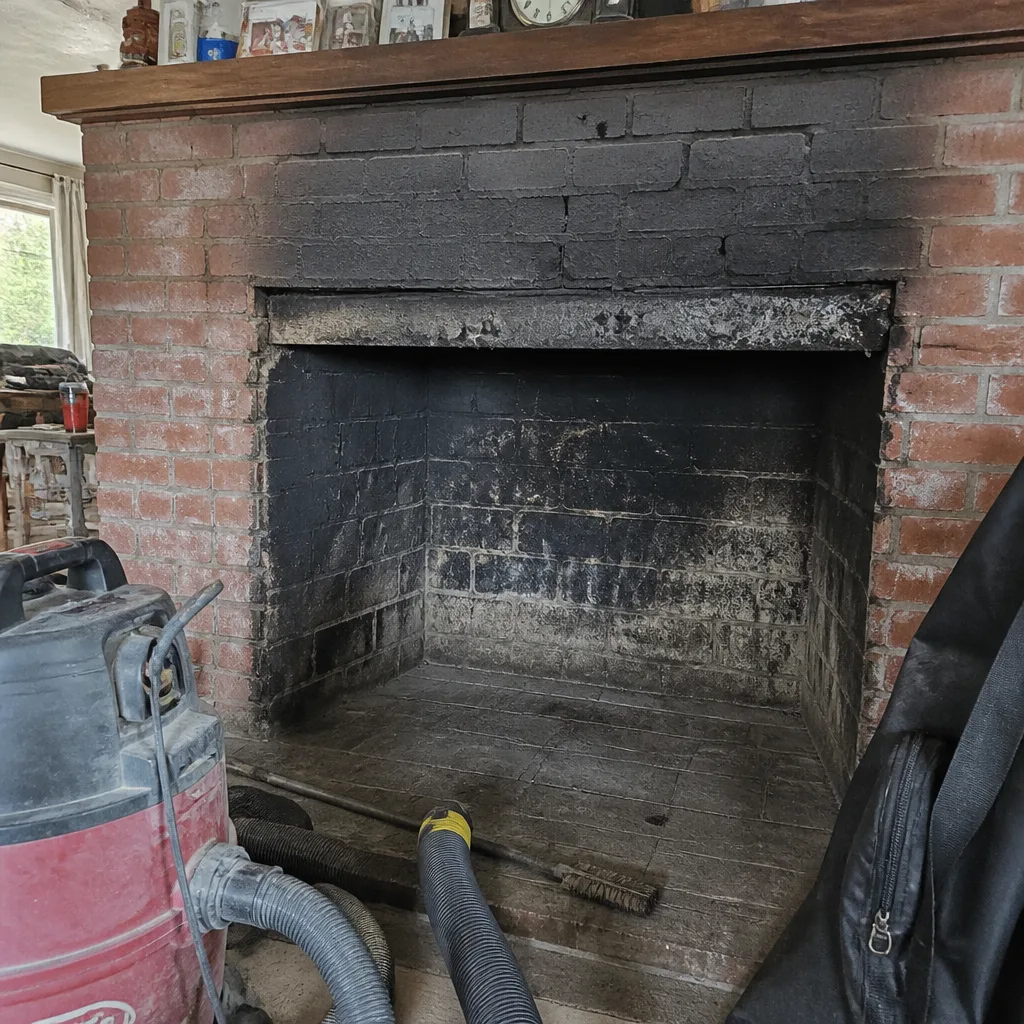 Before
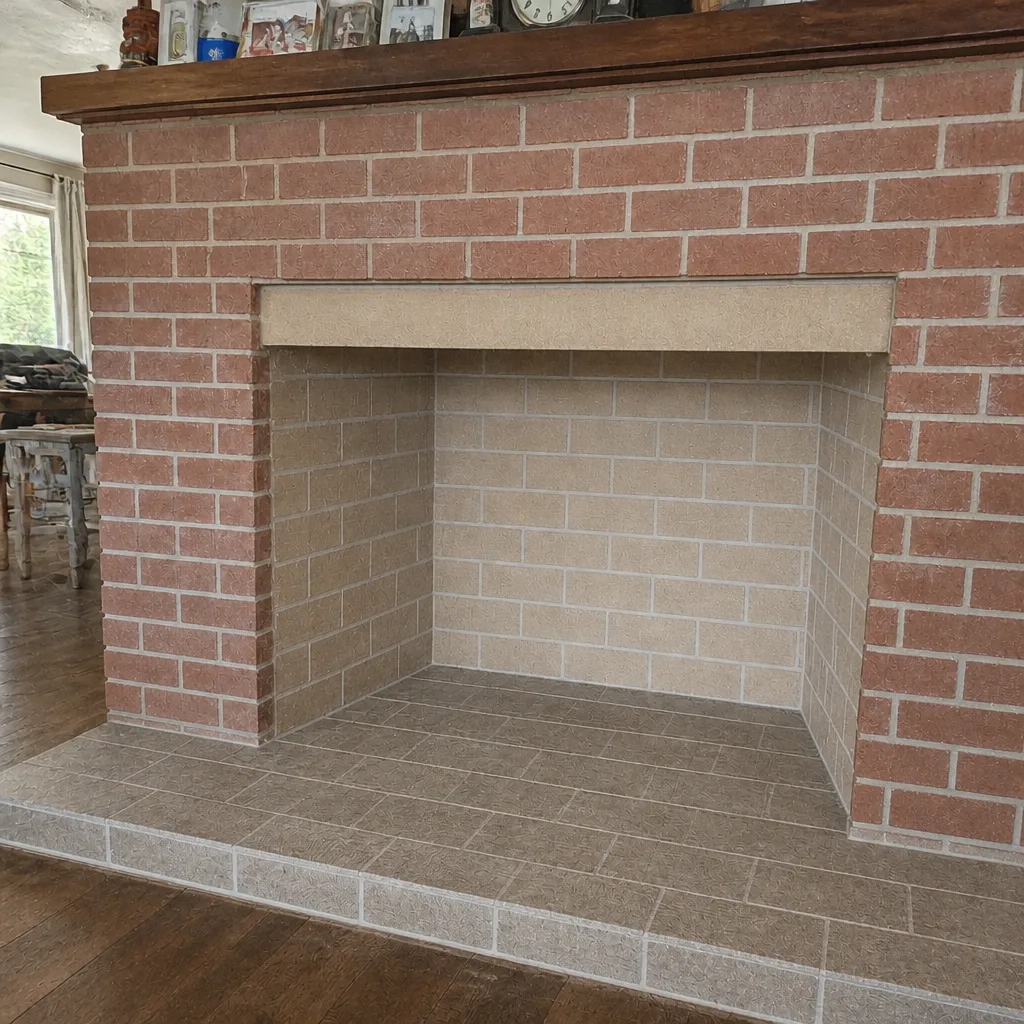 After
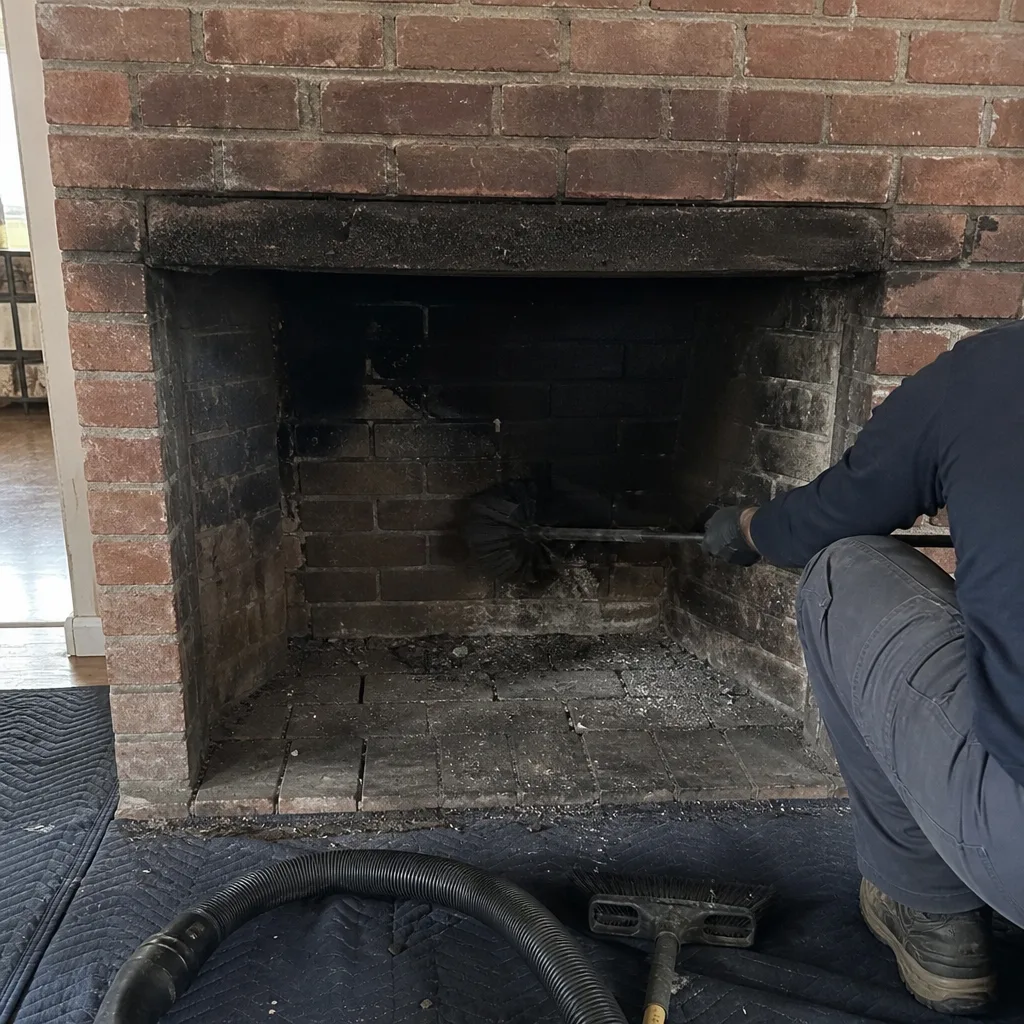 Before
 After
 Before
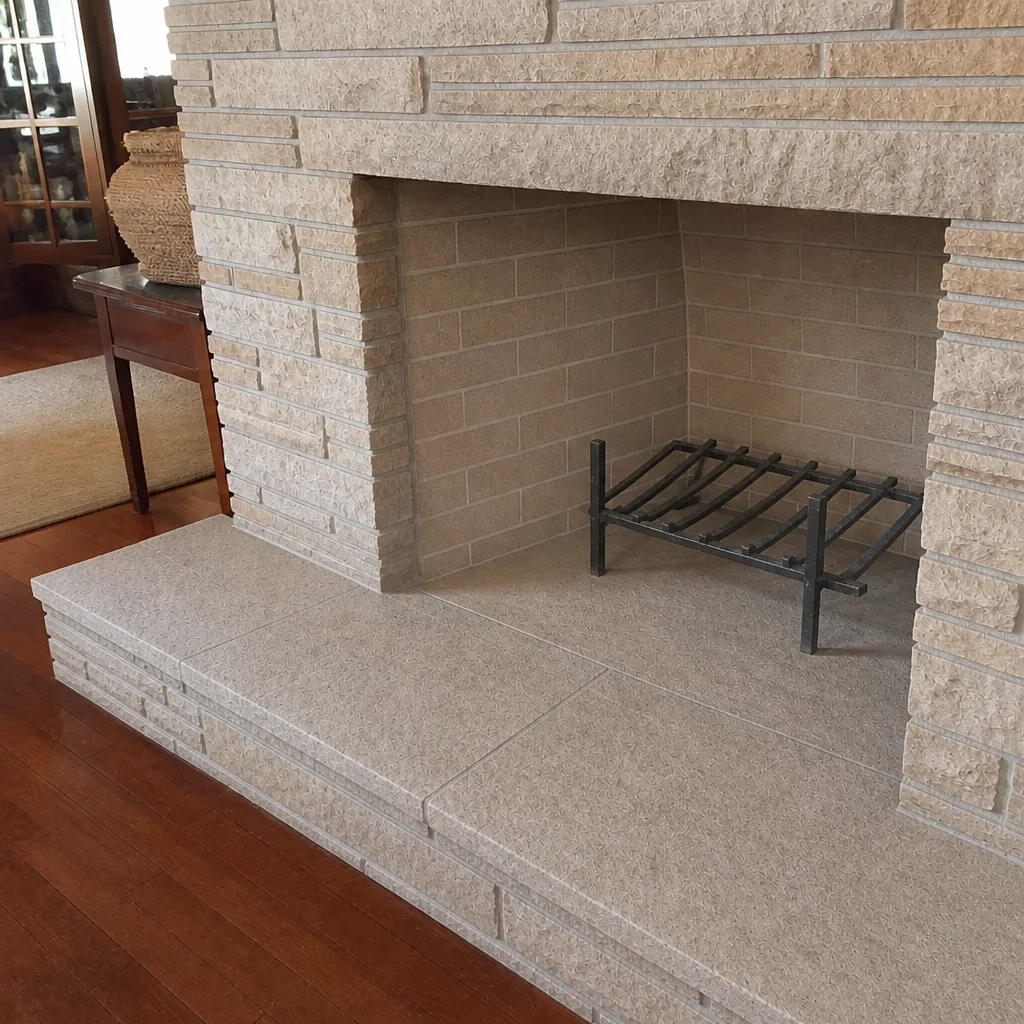 After
When to Call a Professional
Some problems are obvious: a strong smell in the house after a fire, a visible crack in the firebox, a cap sitting crooked on the crown, or water staining on the ceiling below the chimney. Others are quieter. A flue that’s been swept but never inspected, a draught that’s weaker than it used to be, or an appliance that’s burning with an irregular flame all point to a problem you can’t see. Any of those is a reason to schedule a chimney inspection with camera documentation and a written report.
The other signal is timing. Cleaning before the heating season is standard advice for a reason. If your flue hasn’t been inspected since you moved into your Englewood home, if the house has had a chimney fire you know about, or if you can’t remember the last time the cap was checked, it’s time. Chimney Sweep Englewood offers free estimates in Englewood. Call (866) 431-6293. We answer 24/7. Fast dispatch from 7am to 7pm, Sunday through Friday.
Frequently Asked Questions
Ask them to name the products by brand. A specialist will say DuraFlex, HeatShield, Gelco, Famco, or Olympia Chimney without hesitation. A generalist will say “stainless steel” or “high-quality materials” without naming anything. Get the brand name on the written estimate before you sign. Call (866) 431-6293 for an exact quote – estimates are free.
HeatShield resurfacing is worth it when the flue has scattered hairline cracks or a rough interior that can be restored without a full tear-out. A full DuraFlex relining is the right answer when the tile is too damaged to resurface or the flue geometry requires a new liner. The camera inspection determines which. Ask any company what they’d recommend and why. Call (866) 431-6293 for an exact quote – estimates are free.
You need a new liner if the camera inspection shows cracks, gaps, or deterioration that would let combustion gases escape into the chimney chase. You don’t need a new liner just because the sweep said so. Ask for the camera footage and photo report. A specialist will send it. A company that won’t show you the evidence isn’t giving you a real recommendation. Call (866) 431-6293 for an exact quote – estimates are free.
The standard is once a year for a wood-burning fireplace that sees regular use, and more often if you’re burning unseasoned wood or the flue is small for the appliance. Englewood’s freeze-thaw cycle puts extra stress on the masonry, so the annual inspection matters as much as the sweep. Ask for a camera inspection every time, not just the sweep. Call (866) 431-6293 for an exact quote – estimates are free.
It means something only if the liner is the specific product the warranty was written for and the installer followed the manufacturer’s spec. A generic liner with a “20-year warranty” from a contractor may not be enforceable if the manufacturer wasn’t involved. Ask which product line the warranty covers. Call (866) 431-6293 for an exact quote – estimates are free.
Creosote builds up inside the flue with every fire. A heavy creosote load is a chimney fire risk, and the fire risk grows the longer you go without a sweep. A carbon monoxide risk comes from a blocked or damaged flue. Both are reasons to schedule before the heating season, not after a problem appears. Call (866) 431-6293 for an exact quote – estimates are free.
The Bottom Line
The chimney cleaning market in Englewood is not really a market for labor. It’s a market for material decisions you can’t see. Ask which liner brand goes in, ask whether the smoke chamber gets parried, ask what type of crown coating is used, and ask to see the camera report. When the answer comes back specific, you’ve found a specialist. When it comes back vague, you’ve found a generalist with a brush and a lower price. We work with DuraFlex, HeatShield, Gelco, Olympia Chimney, Famco, and Copperfield because those brands exist to solve the problems a Front Range climate creates. That’s the standard we hold a contractor to. It should be the standard you hold us to.
Call (866) 431-6293. We answer 24/7. Fast dispatch from 7am to 7pm, Sunday through Friday, and closed Saturday. Estimates are free and the price is set per job by the written estimate.
Written by the team at Chimney Sweep Englewood.