
Last updated November 24, 2026
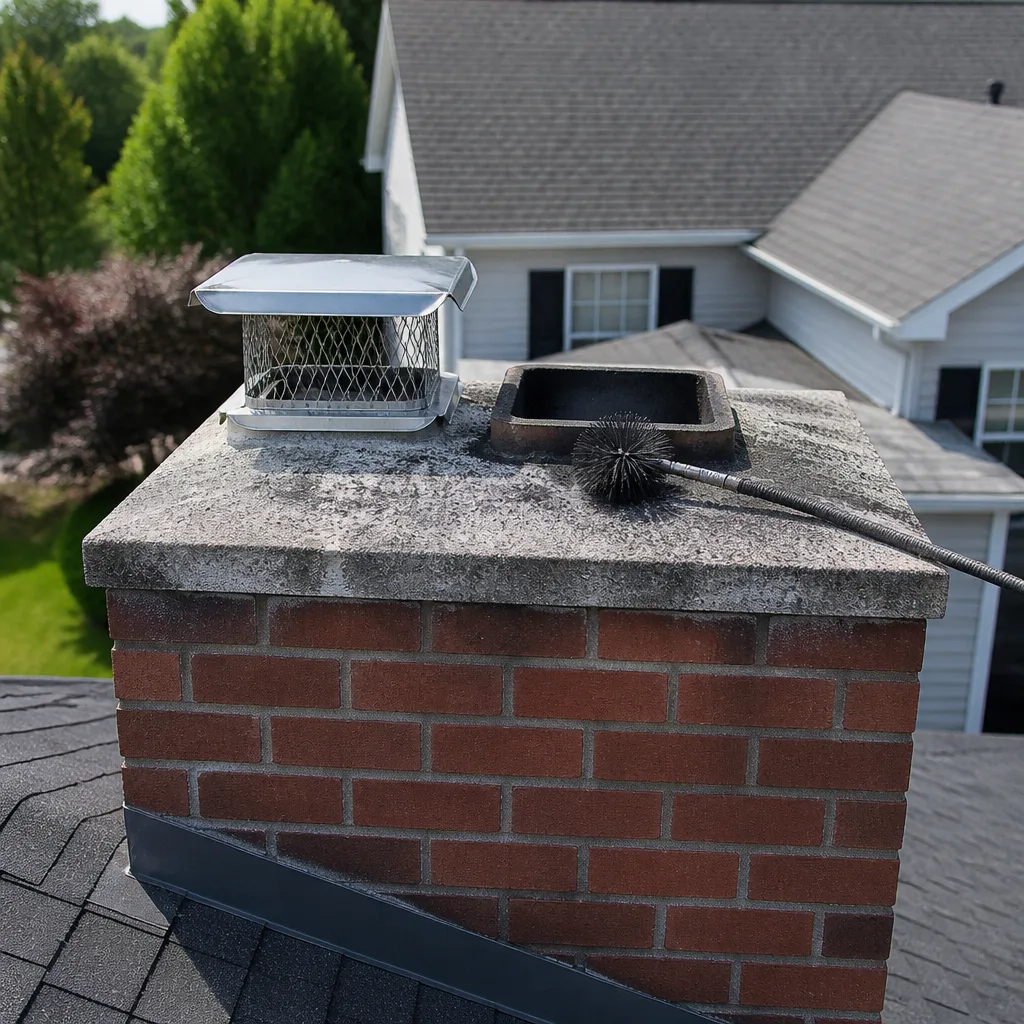 Sweep & inspection
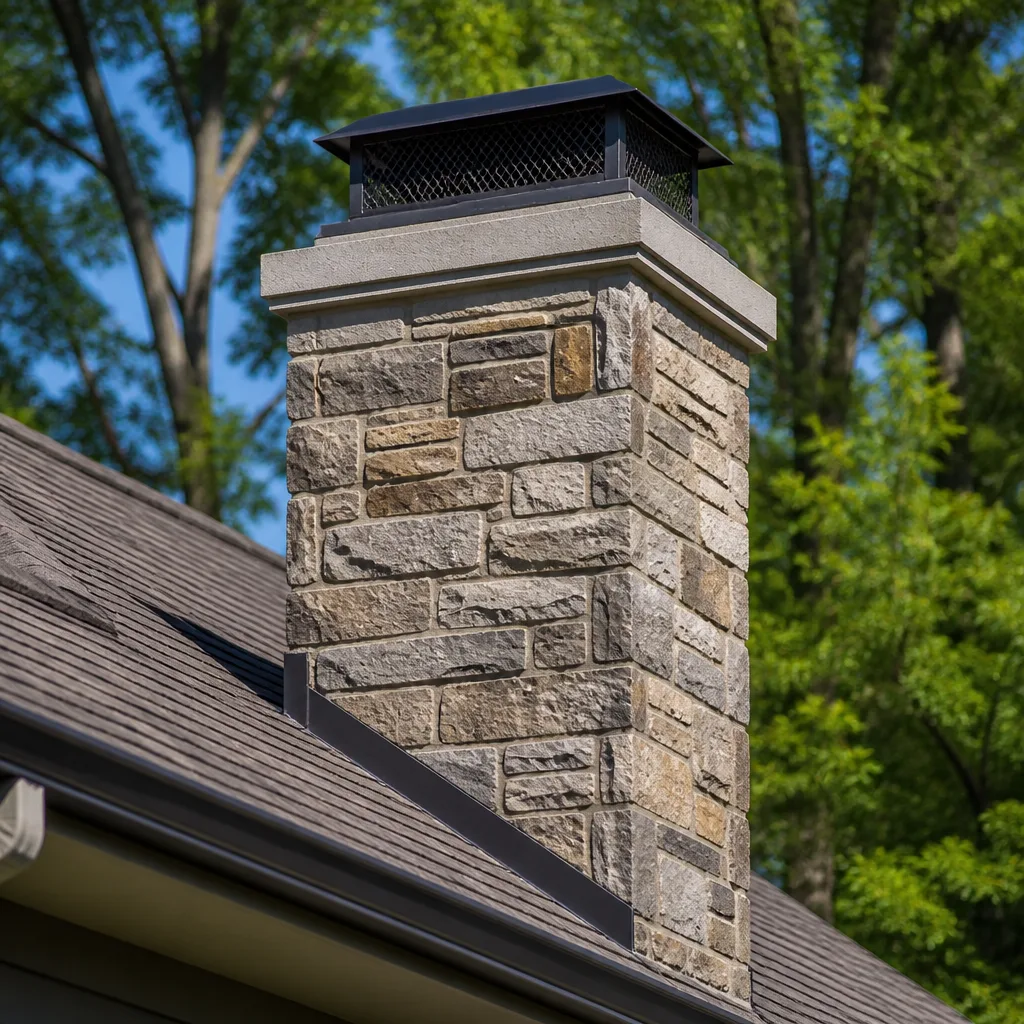 Caps & crowns
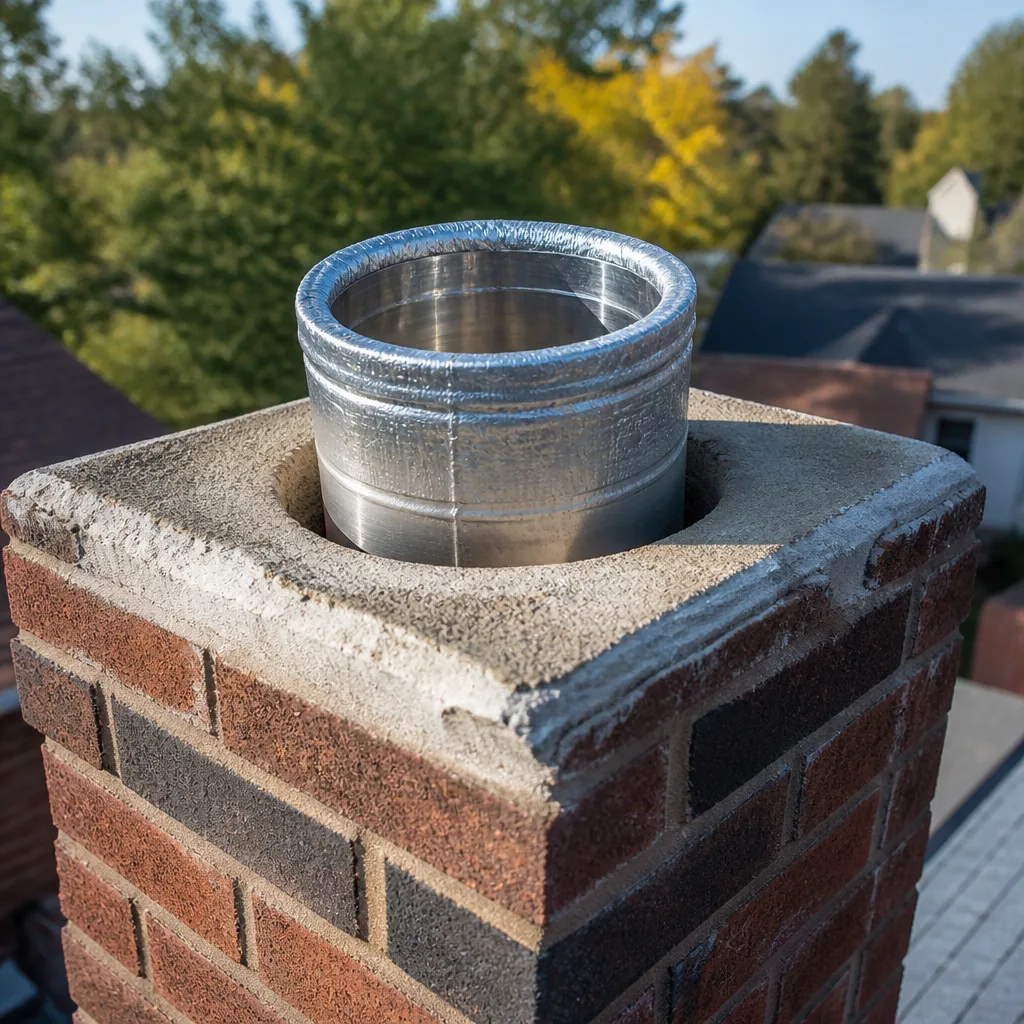 Flue relining
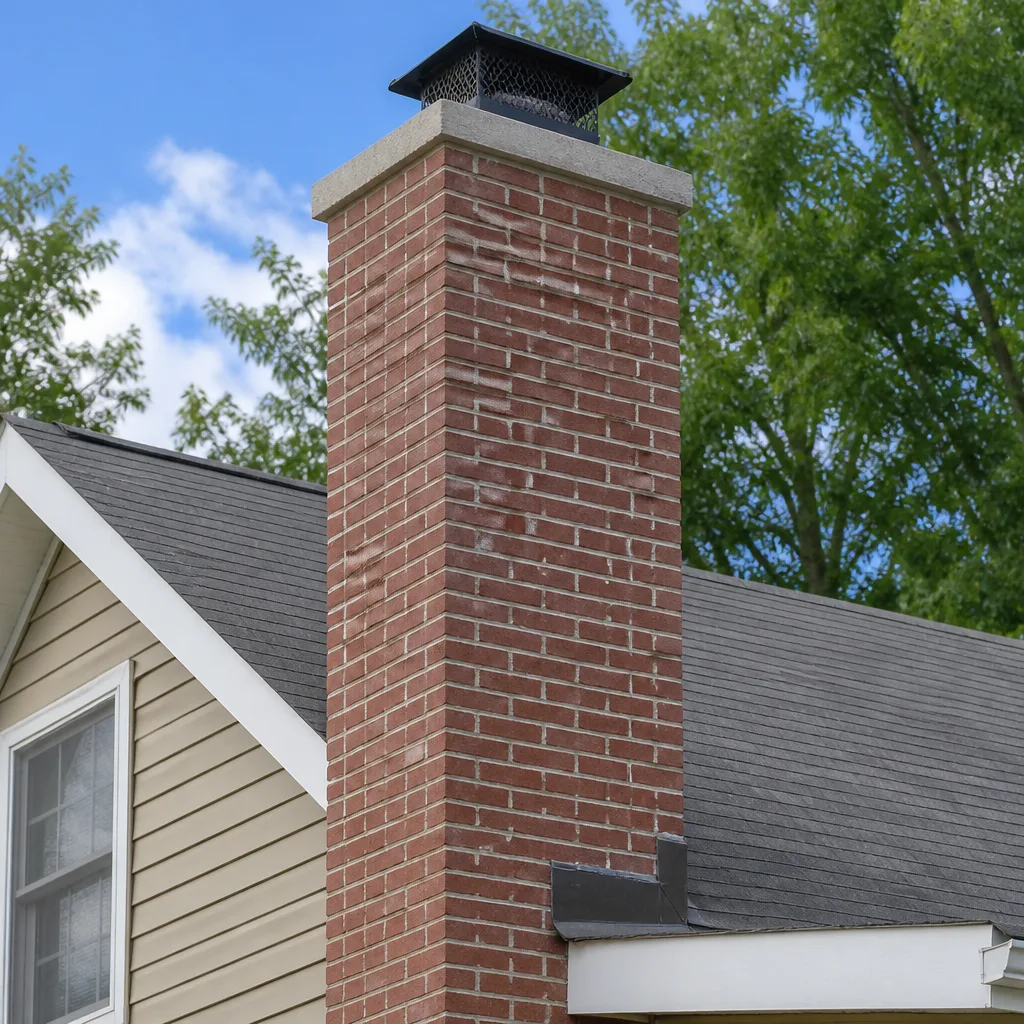 Masonry repair
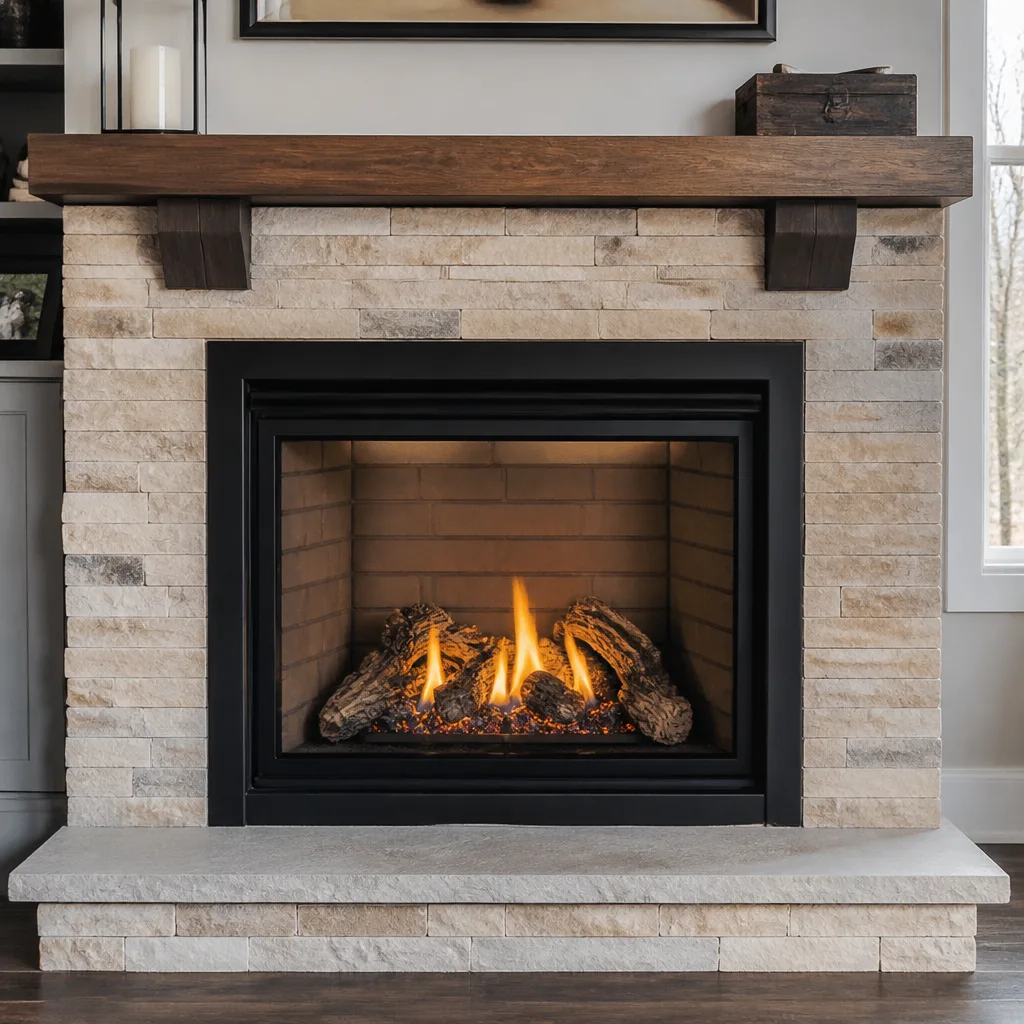 Gas fireplace service
Level 1 sweep and inspection to the NFPA 211 annual standard - flue, crown, cap, and flashing checked and photographed
Chimney sweep logs do not sweep chimneys. They loosen some creosote - which then falls where a brush and vacuum still have to collect it.
Chimney Cleaning Warning Signs: An Englewood Homeowner’s Reference Guide
Most homeowners treat chimney warning signs as a single, vague category: the chimney “seems fine” or it “seems off.” That’s the wrong lens. Every symptom a chimney gives you has a specific cause behind it, and the cause is what decides whether you’re looking at a cleaning bill or a structural repair. The white stain on the outside brick isn’t a cosmetic problem. The pop you hear during a fire isn’t normal settling. Each signal points to a different root cause with a different remedy. This guide translates the symptoms you can actually see, smell, and hear into plain-language diagnoses, so you can tell an early problem from a serious one and know exactly what to do about it at your Englewood home.
Quick Answer
The main chimney warning signs are a smoky smell when the fireplace is off, white efflorescence stains on exterior brick, smoke that rolls back into the room, popping or ticking sounds during a fire, and visible cracking or crumbling in the firebox or crown. Each symptom has a specific cause, ranging from a simple creosote buildup to a failed liner or crown. Some are maintenance issues; a few are do-not-use conditions that need a professional inspection before the next fire.
Styles & brands we work with
- Sweep & inspection
- Caps & crowns
- Flue relining
- Masonry repair
- Gas fireplace service
Table of Contents
- Symptom-to-Diagnosis: How to Read What Your Chimney Is Telling You
- What a Smoky Smell When the Fireplace Is Off Actually Means
- White Staining on Exterior Brick: Why It’s a Water Problem, Not a Cosmetic One
- Smoke Rolling Into the Room Versus Smoke That Just Smells: Two Different Problems
- Popping and Ticking Sounds During a Fire: What They Say About Liner Integrity
- Visual Deterioration: Reading the Firebox, Crown, and Masonry
- Warning Signs That Mean Do Not Use: Conditions That Need a Shut-Down
- Why Englewood Chimneys Give These Signals (and What the Local Climate Does to Them)
Symptom-to-Diagnosis: How to Read What Your Chimney Is Telling You
A chimney doesn’t fail silently. Long before a flue becomes dangerous, it starts leaving evidence: a smell in the house, a stain on the brick, a change in how smoke draws, or a sound during a fire that wasn’t there before. The trick is knowing which symptom maps to which root cause, because the same-looking problem can be a $200 cleaning job or a serious reline.
Here’s how our technicians read the common signals. This is the diagnostic framework we use on every chimney sweep call in Englewood, and it’s a good mental map for any homeowner:
- Smell when the fire is off points to leftover creosote, a blocked flue, or a negative-pressure problem in the house.
- Staining on the exterior brick points to water moving through masonry, usually a crown or flashing failure.
- Smoke behavior that rolls back into the room points to a draft or blockage issue, not a cleaning issue alone.
- Sound like popping or ticking during a fire points to metal expanding, which often flags liner or flue-tile problems.
- Visual damage such as cracking, crumbling, or puffing mortar points to heat damage, spalling, or water freeze-thaw.
No two chimneys fail the same way, so the first step in any diagnosis is a proper inspection. A chimney sweep is the first step. A chimney inspection tells you what the sweep can’t. Once a technician knows the cause, the remedy becomes straightforward, and you can decide what to fix now and what can safely wait.
What a Smoky Smell When the Fireplace Is Off Actually Means
If your living room smells like a campfire days after the last fire, that’s not your imagination or the season. It’s a real signal, and it usually points to one of three causes: a buildup of creosote and ash in the flue, a closed or partly blocked damper, or negative air pressure pulling smoky air back into the house. The smell itself is not dangerous, but what causes it can be.
Here’s how to think about the three:
- Creosote and ash buildup. This is the most common cause and the easiest to fix. A degree of smoke odor is normal with a wood-burning fireplace; a persistent, strong smell every warm day is not. A deposit of glazed creosote in particular can hold odor and is the material involved in chimney fires, so it deserves attention.
- Damper or blockage issues. If the damper is stuck partly open or something has fallen into the flue, smoky air drifts back down. A proper inspection catches this.
- Negative pressure. Newer houses built tighter hold air more effectively, and exhaust fans can pull smoky air down the flue when the fire is out. This is a whole-house pressure question, not a chimney problem alone, and a technician can help you narrow it down.
In Englewood, the smell often shows up most strongly on warm days after a cold snap, because the heating season ends but the creosote stays in the flue. The fix is often a straightforward sweep. The takeaway is simple: a smell is a symptom, and the cause behind it decides whether you need a cleaning or a closer look.
White Staining on Exterior Brick: Why It’s a Water Problem, Not a Cosmetic One
A white stain running down your chimney’s exterior isn’t cosmetic. It’s efflorescence, and efflorescence means water is actively moving through your masonry. The white powder is salt drawn out of the brick and mortar as moisture travels through and evaporates on the surface. The important thing about efflorescence is that the damage is already happening inside the masonry, and if it’s reached the flue liner, it’s happening inside the flue too. If you scrub it off, it returns, because you’ve treated the symptom instead of the cause.
The real question is where the water is getting in. In our experience, it’s almost always one of these three entry points:
- A failed crown. The crown is the concrete cap on top of the chimney. Over time, freeze-thaw cycles crack it, and water runs down into the structure.
- A missing or inadequate cap. A chimney cap keeps rain and animals out. If it’s missing or doesn’t fit correctly, water enters directly.
- Flashing failure. The seal between the chimney and the roof is a common leak point, especially with the freeze-thaw swings Englewood gets during winter.
This isn’t a surface-treatment problem, and painting over it or sealing it from the outside won’t fix the underlying path. The fix is to find the entry point and repair it. We install and replace crowns and caps using Gelco and Famco components sourced from dedicated chimney supply lines, not generic hardware-store parts, because the crown and cap are the first line of defense against water intrusion. If you see efflorescence on your Englewood chimney, treat it as a prompt to get an inspection, not a cleanup.
Smoke Rolling Into the Room Versus Smoke That Just Smells: Two Different Problems
These two get lumped together as “smoking problems,” but they’re different issues with different fixes. Smoke rolling back into the room is a draft failure: the fire is burning but the smoke isn’t leaving the way it should. Smoke that just smells when the fire is off is a deposit or pressure issue. Treating one as the other wastes money and leaves the real problem in place.
Smoke rolling into the room usually means one of the following:
- The flue is blocked or partly blocked by soot, a nest, or debris.
- The chimney isn’t tall enough or the stack is affected by wind and nearby obstructions.
- The house is under negative pressure, so it’s pulling smoke back down the flue.
- The firebox is too large for the flue opening, an original design issue.
Smoke that smells but drafts correctly points to a deposit problem – creosote and soot in the flue holding odor – or an occasional pressure reversal. The draft is working; something else is wrong.
The practical difference: if you’re seeing smoke where it should never be, shut it down and get a professional opinion before lighting another fire. If you’re only smelling smoke, it’s worth a cleaning and inspection but isn’t the same urgency. In both cases, a proper inspection tells you the cause. We use a camera inspection and a photo report on every chimney repair and cleaning call, so the diagnosis is based on what’s actually in your flue, not a guess.
Popping and Ticking Sounds During a Fire: What They Say About Liner Integrity
A pop or tick during a fire is normal if it’s the fire settling or wood shifting. It’s not normal when it’s coming from the flue or the firebox at a steady rhythm, especially on the first fire of the season. That sound is metal or masonry expanding with heat – and if the liner is cracked or deteriorated, that expansion is the last thing you want.
The sound matters because it can mean the flue tile or a metal liner has developed a crack that opens when hot. That’s a real concern, since a compromised liner can let heat and combustion gases reach the structure. A ‘popping’ or ‘ticking’ that repeats with every fire is a reason to get a camera inspection, not to turn the music up. Our technicians check for liner integrity as part of a standard inspection and look for the root cause before recommending anything.
If the liner has deteriorated, the good news is that modern repair options are better than they used to be. We use DuraFlex flexible liner systems for relining work, an industry-standard choice for safe and durable relining, and we use HeatShield ceramic resurfacing to restore a deteriorating flue without a full tear-out when the damage pattern allows it. HeatShield resurfacing can restore a deteriorating flue without a full tear-out – ask us if your liner qualifies. We work with the same materials chimney professionals specify by name, not generic hardware-store alternatives.
Visual Deterioration: Reading the Firebox, Crown, and Masonry
Some warning signs you can spot from the ground or from your living room. You don’t need to climb on the roof to notice most of them, and none of these require you to climb anywhere. If you see any of the following, note it and call a professional rather than probing a flue yourself.
- Cracking or crumbling firebox brick. Broken or loose firebrick can let heat reach parts of the structure it shouldn’t. This is a repair item.
- Puffing, disintegrating mortar joints. Crumbling mortar in the firebox or on the exterior indicates heat damage or water freeze-thaw. Both are repairable, but earlier is cheaper.
- A cracked or crumbling crown. You can often see this from the ground with binoculars – a flaking, cracked top surface is a water-entry issue.
- Rust or corrosion on the damper or firebox metal. This is a water-in-the-flue indicator, not just cosmetic.
- A leaning or spalling chimney structure. Missing bricks, spalling surfaces, or a visible lean are reasons to stop using the fireplace until it’s inspected.
Visual damage is the part of the diagnosis a homeowner can see first. It’s also the part where the cause behind the damage is often different from what it looks like. A crumbling crown looks like a masonry problem but is a waterproofing problem. A cracked firebox brick looks cosmetic but is a heat-exposure problem. A trained inspection tells you which fixes matter. If you’re seeing damage that concerns you, a fireplace repair inspection is the right first step.
Warning Signs That Mean Do Not Use: Conditions That Need a Shut-Down
Most warning signs are maintenance issues. A few are do-not-use conditions. This is the list to keep on the fridge, because the difference between the two is not the size of the symptom – it’s the risk it represents.
Stop using the fireplace and arrange an inspection if you see any of the following:
- Smoke rolling into the room with the damper open. That’s a draft or blockage problem that could also involve a safety issue; shut it down and get it inspected.
- A strong, persistent smell when the fireplace is off, especially with a headache or dizziness in the house. Combustion gases belong up the flue, not in the house. If you’re getting symptoms like that, stop using the fireplace and call us to check it.
- A visible crack in the firebox or a glowing seam during a fire. Heat escaping the firebox is a structural concern.
- A leaning or badly spalling chimney. That’s a structural issue that needs evaluation before any more fires.
- A liner that’s visibly damaged, or a popping or ticking sound on every fire. A compromised liner is a reason to shut it down until it’s checked.
These are also the signs where the safety case for acting is strongest. A chimney fire and carbon monoxide exposure are both tied to conditions you can often spot as warning signs before they ever become a real event – which is exactly why we recommend not waiting. A sweep booked before the season starts is far less expensive than the repair bill after a fire. That’s why we offer same-day and next-day scheduling and free estimates, so the shut-down becomes a fix you can plan rather than a scramble.
Why Englewood Chimneys Give These Signals (and What the Local Climate Does to Them)
Some of what you see on an Englewood chimney is specific to the place. Englewood runs along the Front Range, which means real winter freeze-thaw cycles, dry spells, and the occasional warm, windy day in the middle of the heating season. That’s the combination that produces a lot of the symptoms in this guide.
Freeze-thaw is the big one. When moisture gets into brick or mortar through a failed crown or flashing, a cold night freezes it and the next warm day thaws it. Repeat that across a Colorado winter, and the masonry starts to spall and crack. That’s why the white stain on an Englewood chimney is often a bigger deal than it looks. The masonry on a Front Range chimney takes a different beating than a chimney in a mild climate, and the crown and cap are what stand between the masonry and the weather.
Englewood’s older housing stock matters too. In neighborhoods around the older parts of town, chimneys were often built with flue tiles and masonry that work well when intact but don’t tolerate a neglected liner. A camera inspection is the only way to know what’s actually inside. Our technicians have up to 13 years of experience diagnosing exactly these conditions, and we’ve seen how quickly a maintenance problem turns into a structural one when the crown or cap gets ignored. If you’re in doubt, one call covers it: cleaning, inspection, repair, and cap work, with the trade-grade brands and the same photo evidence a technician uses to make the call. If your chimney is older, or the last inspection isn’t on record, that’s a good reason to get a sweep booked before the next heating season in Englewood.
Common Mistakes to Avoid
- Treating a white stain as a cleaning problem. Scrubbing or sealing it doesn’t fix the water path. The efflorescence returns until the crown, cap, or flashing is repaired.
- Assuming a smell means you need a full reline. Often it’s a straightforward sweep and a pressure check, not a liner. Get the cause diagnosed before you agree to any repair.
- Ignoring a pop during a fire because it happened before. It can be normal wood expansion, or it can be a lining issue showing itself under heat. Repeating pops are a reason to check, not wait.
- Putting off a sweep until you have a problem. Creosote buildup doesn’t announce itself. A yearly inspection catches the deposit before it hardens into glazed creosote, which is the material you actually want to avoid.
- Hiring a furnace or handyman company as a side service. Cleaning a chimney properly takes chimney-specific tools and trade-grade parts. We handle the full scope from inspection to cap and crown work, so there’s no second contractor.
- Fixing the crack and ignoring the water. Patched masonry that’s still getting wet from a failed crown will fail again. Fix the entry point, then the damage.
- Using big-box parts for a cap or crown. Generic caps and covers that don’t match your flue can create the water problem you were trying to solve. We install caps and crowns from dedicated chimney supply lines, not generic hardware.
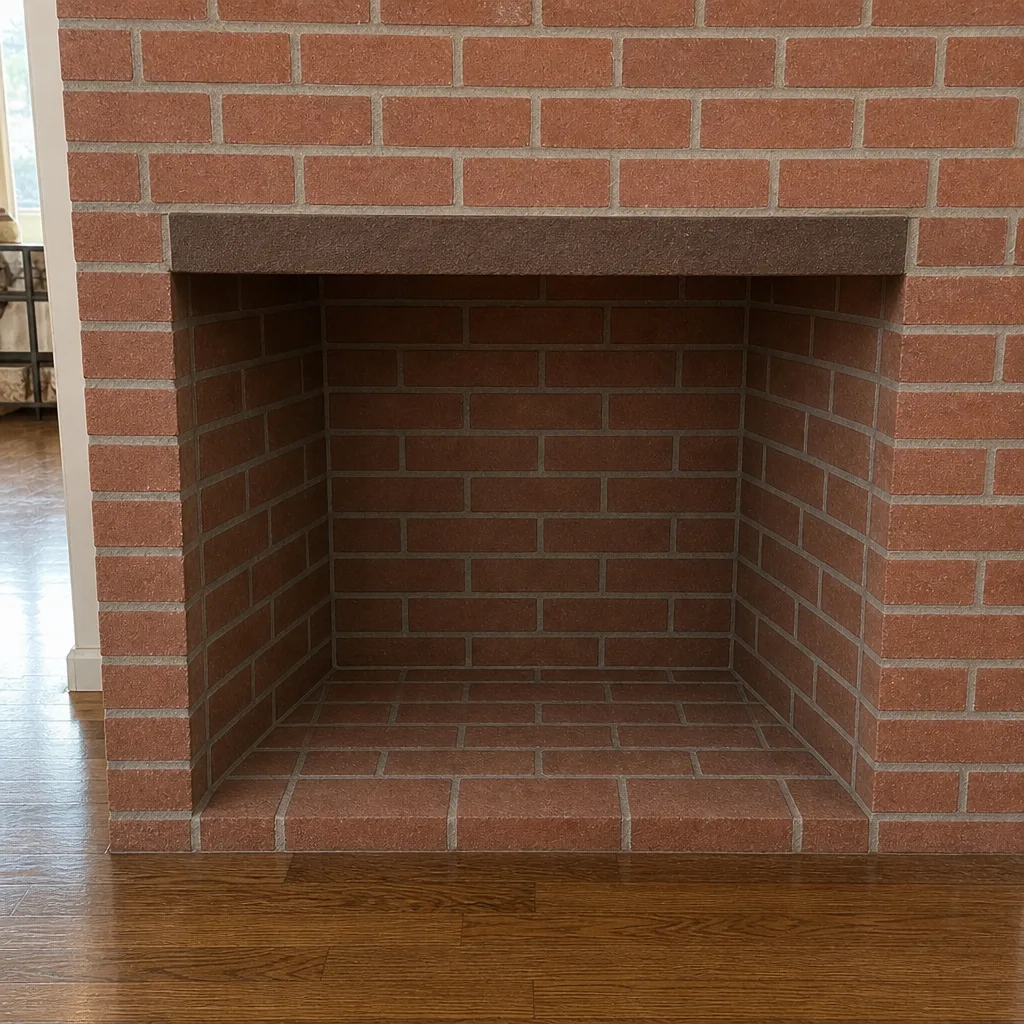
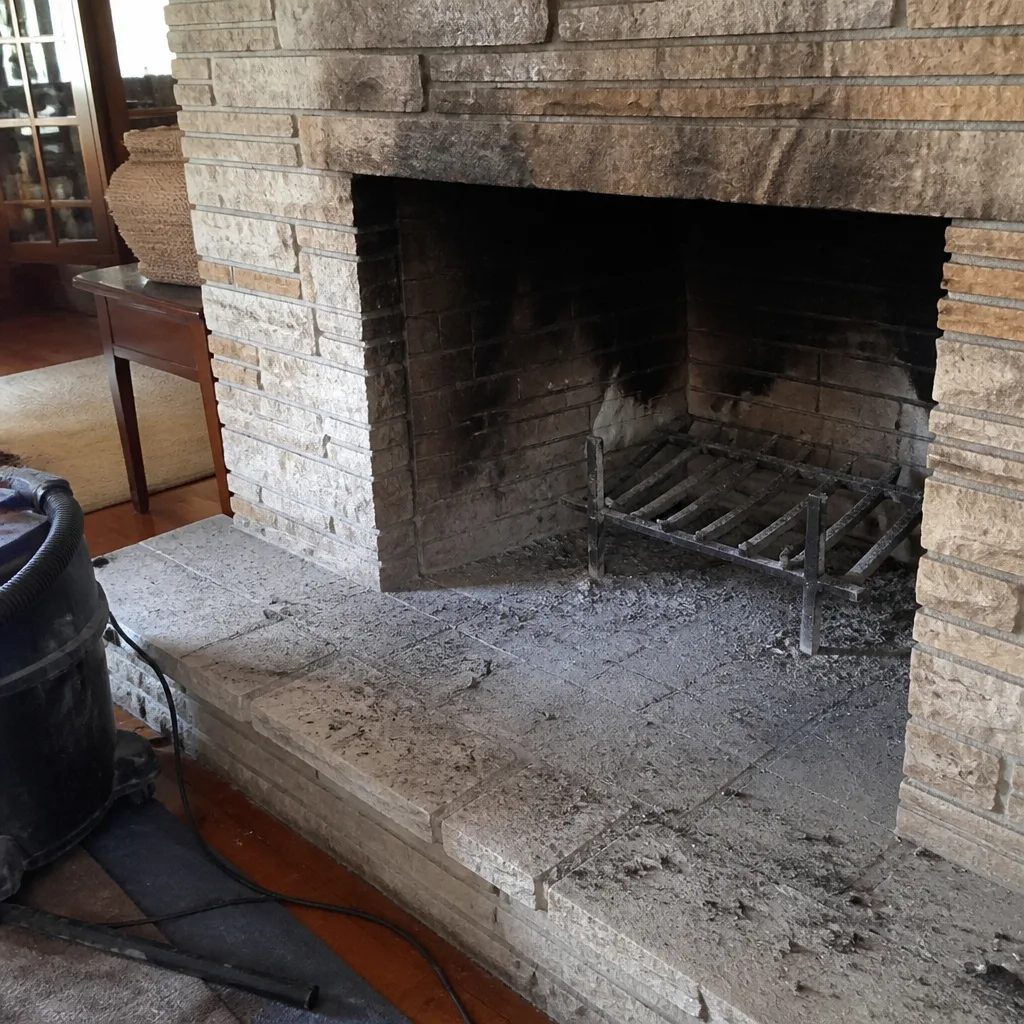
See the difference
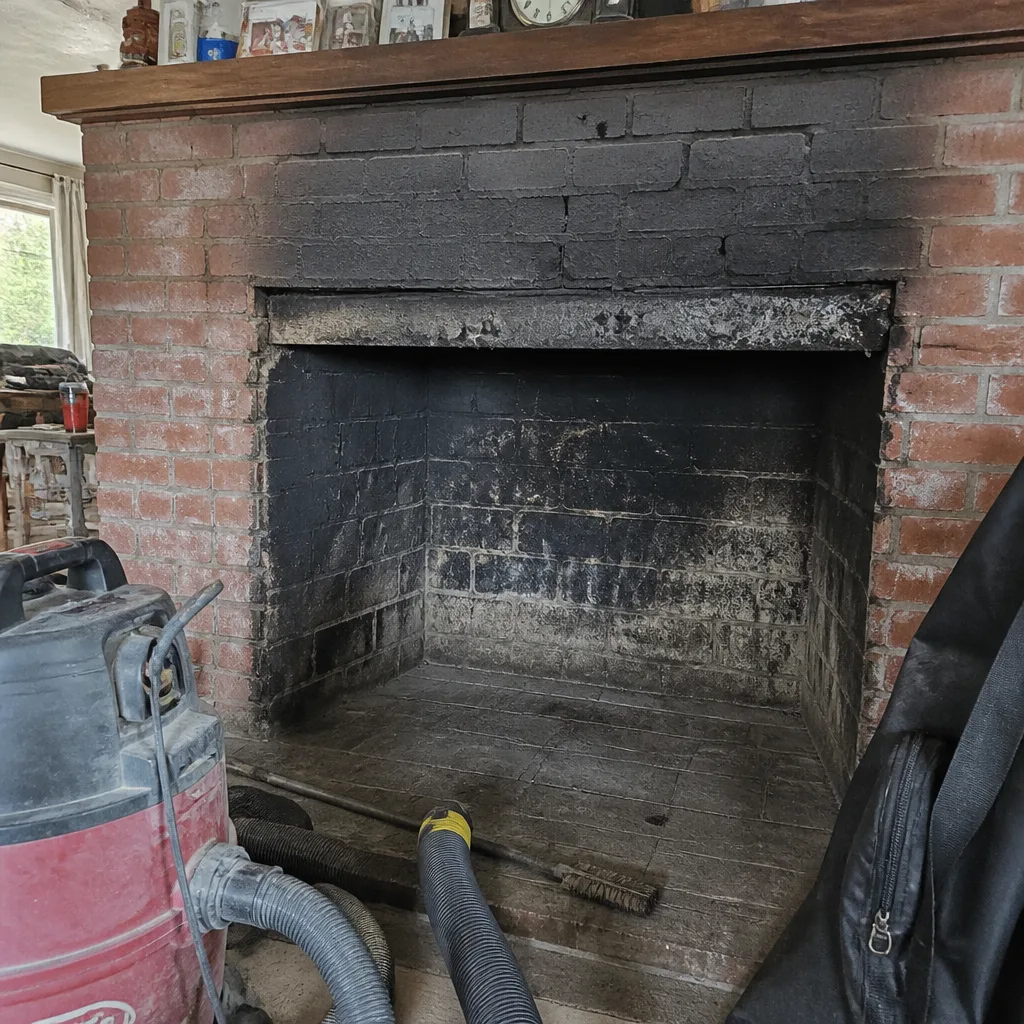 Before
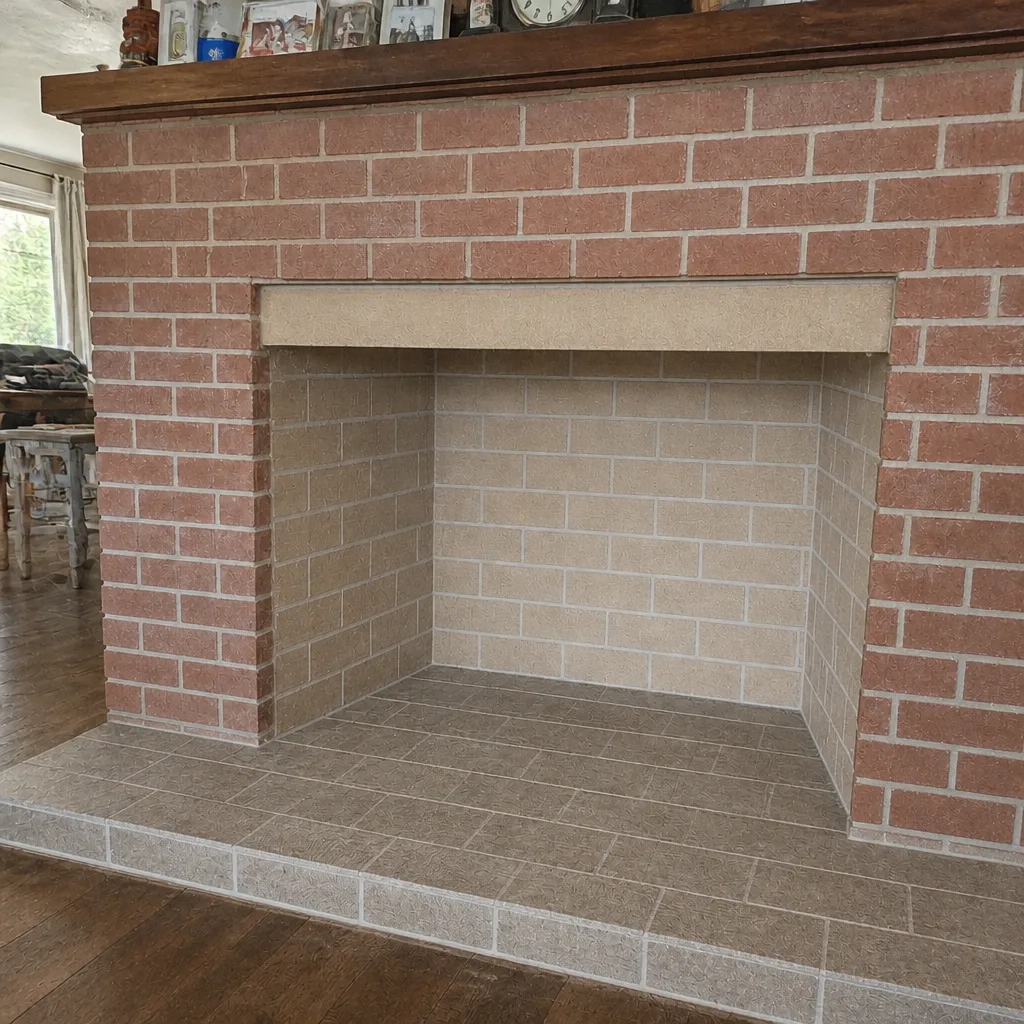 After
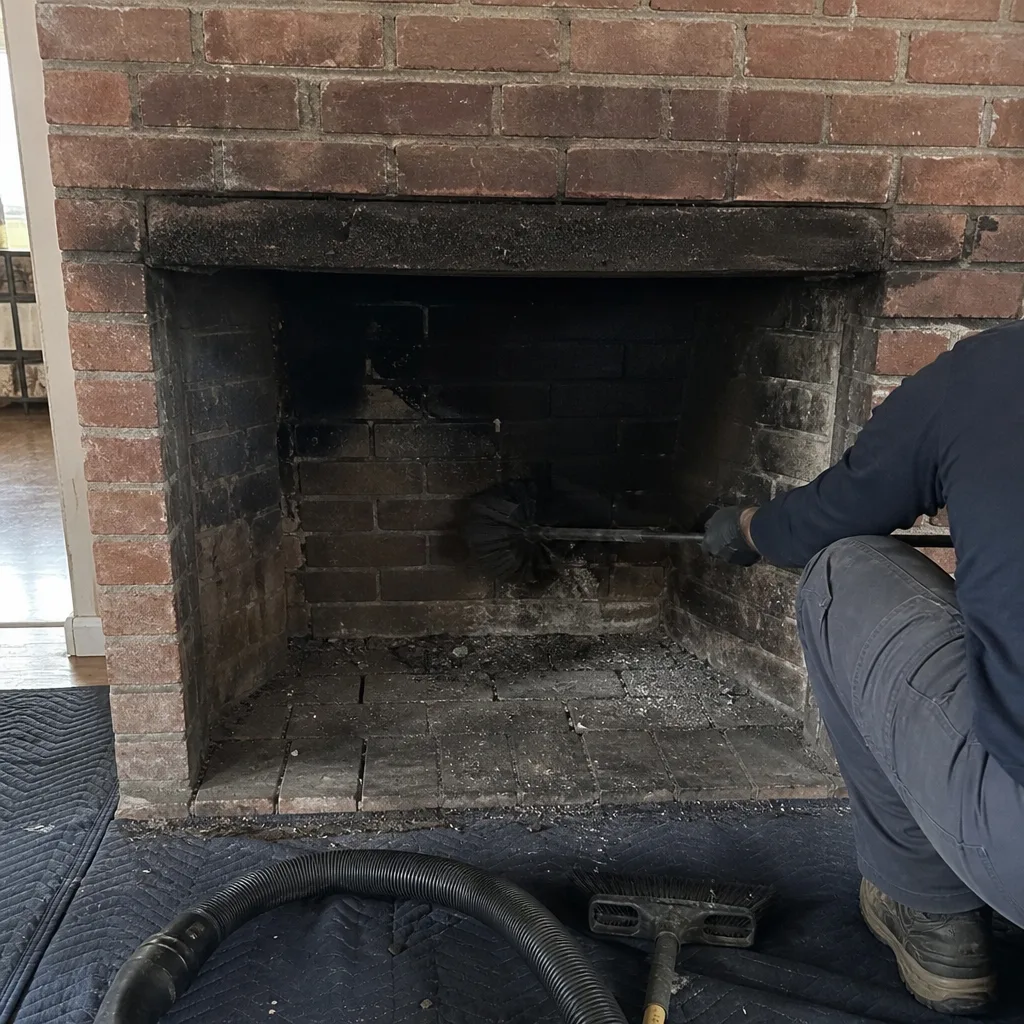 Before
 After
 Before
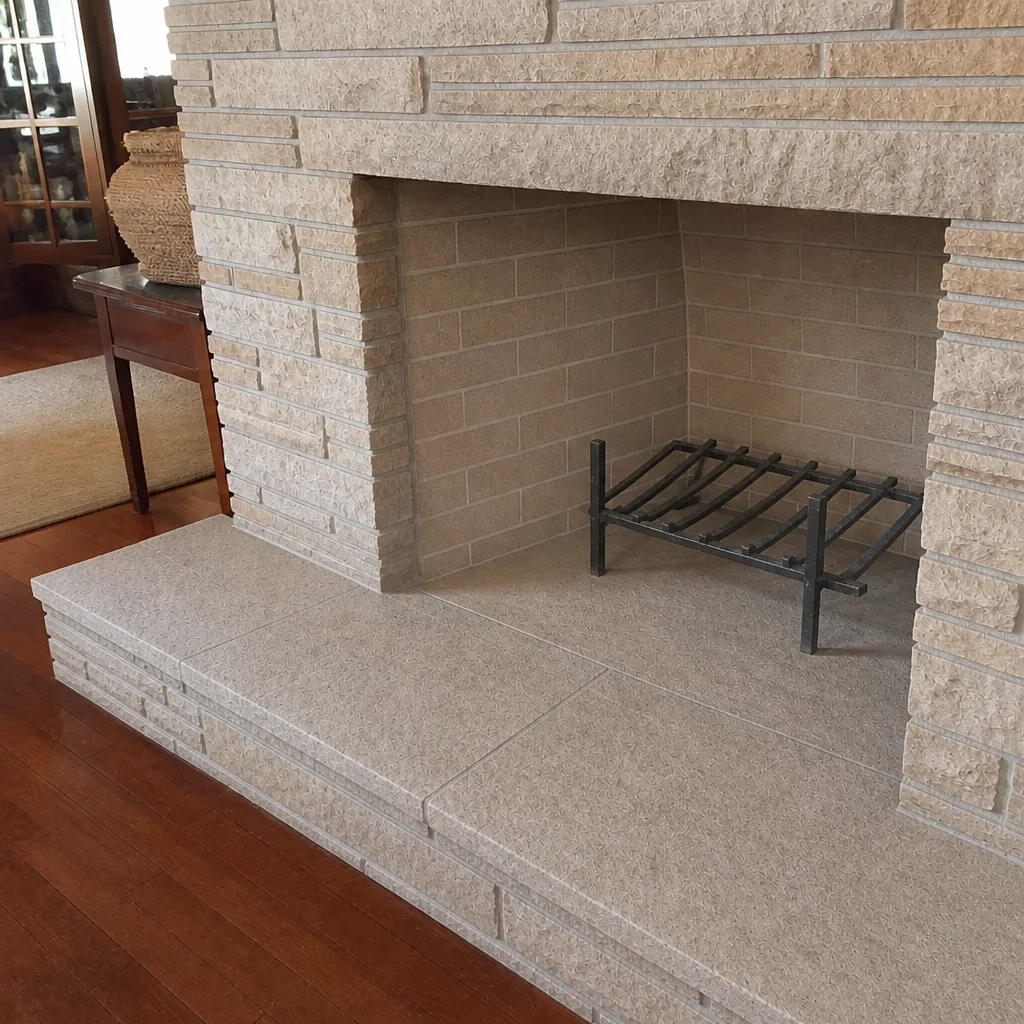 After
When to Call a Professional
Call us when you see any do-not-use sign on this list, when you smell smoke when the fireplace is off, when you see white staining on the exterior brick, or when a fire starts behaving differently from how it used to. Also call when the last inspection isn’t on record, especially if you’ve just moved into an Englewood home and don’t know the chimney’s history.
A sweep is not an emergency, but the timing matters: book it before the burning season rather than after. The reason to call early is that we diagnose from the cause, not from a symptom. We use a camera inspection and a photo report so you see what we see, and nothing is recommended without evidence you can review. We offer free estimates in Englewood to get the exact scope and pricing for your chimney. Call (866) 431-6293. We answer 24/7. Fast dispatch from 7am to 7pm, Sunday through Friday.
Frequently Asked Questions
The most common warning signs in Englewood are a smoky smell when the fireplace is off, white efflorescence stains on the exterior brick, smoke rolling into the room, popping or ticking during a fire, and visible cracking or crumbling in the firebox or crown. Each has a specific cause, so the right next step is a diagnosis rather than a guess. Call (866) 431-6293 for a free estimate.
White staining, called efflorescence, means water is moving through your masonry and evaporating at the surface, carrying salts with it. It’s a waterproofing failure, usually at the crown, cap, or flashing, not a cosmetic issue. Painting or sealing over it doesn’t fix the cause. Call (866) 431-6293 to have it diagnosed.
Smoke rolling into the room is a draft failure with a specific cause, usually a blocked or partially blocked flue, a chimney that isn’t drafting correctly, or negative pressure in the house. It’s a reason to stop using the fireplace and get an inspection before the next fire. Call (866) 431-6293 for a professional assessment.
A popping or ticking sound during a fire can be normal wood expansion, but a steady, repeating pop, especially on every fire, points to the flue or firebox liner expanding with heat. That’s a liner-integrity concern and a reason to get a camera inspection. Call (866) 431-6293 to have it checked.
Stop using the fireplace if smoke rolls into the room with the damper open, if there’s a persistent strong smell with headache or dizziness at home, if you see a crack or glowing seam in the firebox, if the chimney is leaning or badly spalling, or if you see a visibly damaged liner or hear popping on every fire. Call (866) 431-6293 to arrange an inspection before the next fire.
Most chimneys should be inspected once a year and swept as needed based on how much you burn, with older masonry chimneys checked annually regardless. The white staining and freeze-thaw cycles in Englewood make the annual inspection worth keeping on schedule, and it’s the best way to catch a lining issue before it becomes a structural one. Call (866) 431-6293 to book a free estimate.
The Bottom Line
Every warning sign in this guide has a specific cause, and the cause is what tells you how urgently to act. A smell is usually a cleaning issue. A white stain is a water problem. A pop during a fire is a liner-integrity question. Smoke rolling into the room is a draft problem, and the do-not-use list is exactly that – a list of conditions to shut down and get inspected. The point isn’t to alarm you. It’s to move you from a vague worry to a specific diagnosis. Our technicians have up to 13 years of experience reading exactly these signals, and we diagnose from evidence you can see, not from a guess. If you’ve spotted any of these signs on your Englewood chimney, a camera inspection and photo report is the first step to knowing where you stand.
Contact
If anything in this guide matches what you’re seeing at home, call Chimney Sweep Englewood at (866) 431-6293 for a free estimate. We answer 24/7. Fast dispatch from 7am to 7pm, Sunday through Friday. One call covers inspection, cleaning, repair, and cap and crown work, with the trade-grade materials chimney professionals specify by name. And if you don’t know whether your chimney has ever been inspected, that’s the first thing to find out. Book a Chimney Sweep Englewood, and we’ll tell you the truth about your chimney.
Written by the team at Chimney Sweep Englewood.