
Last updated November 24, 2026
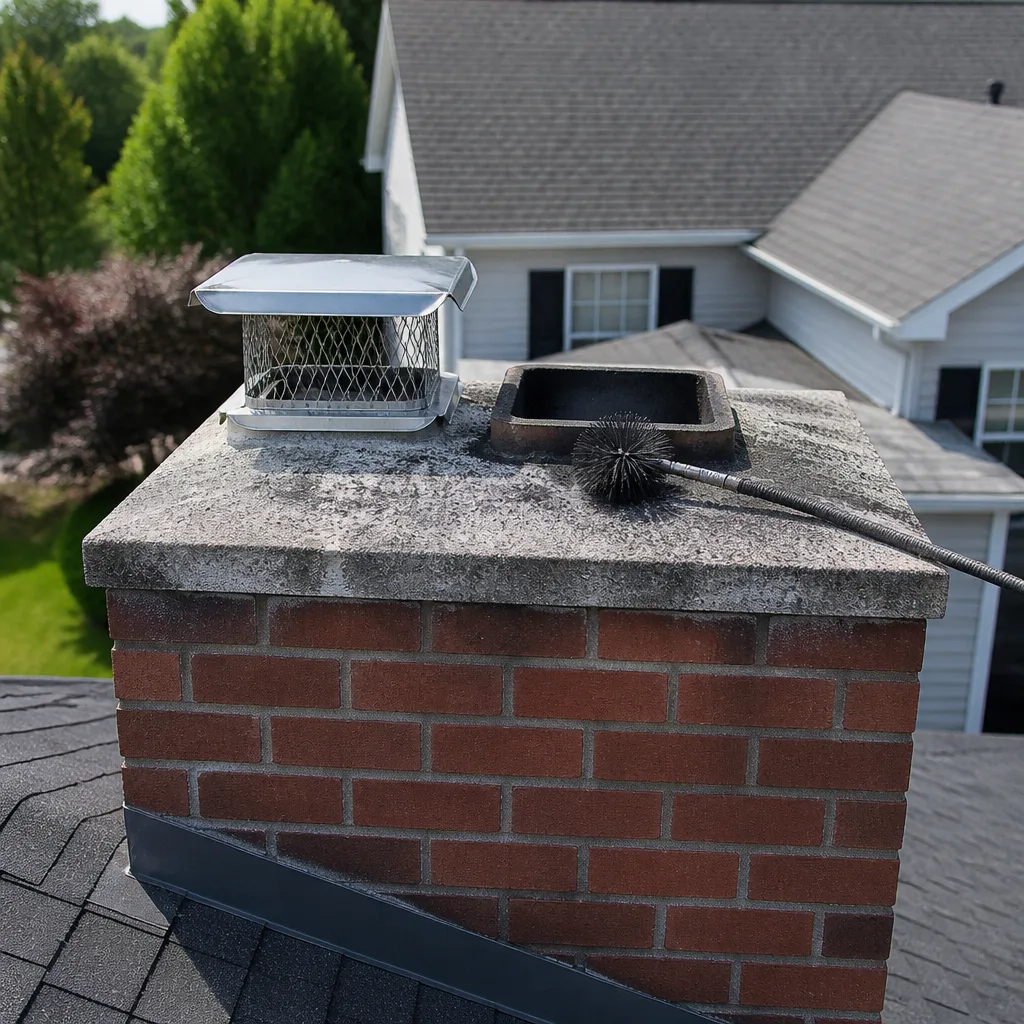 Sweep & inspection
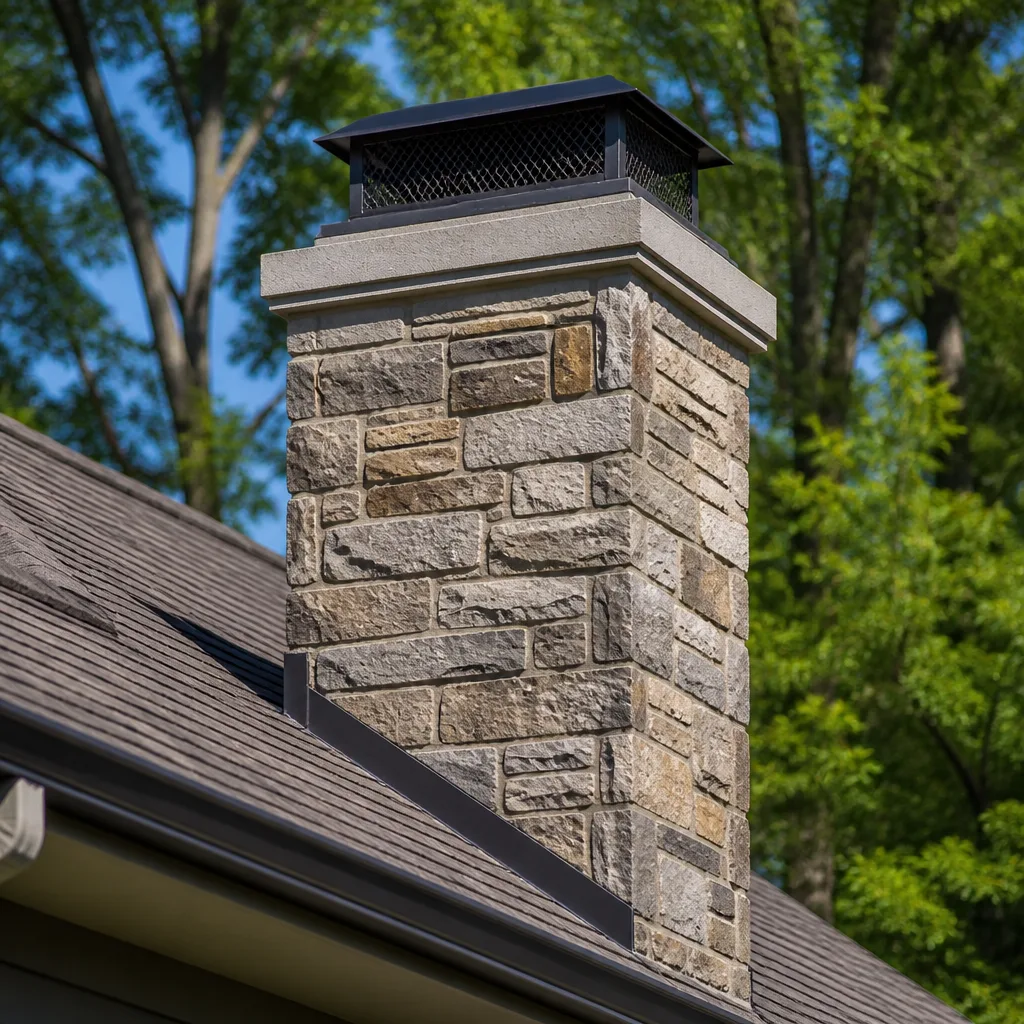 Caps & crowns
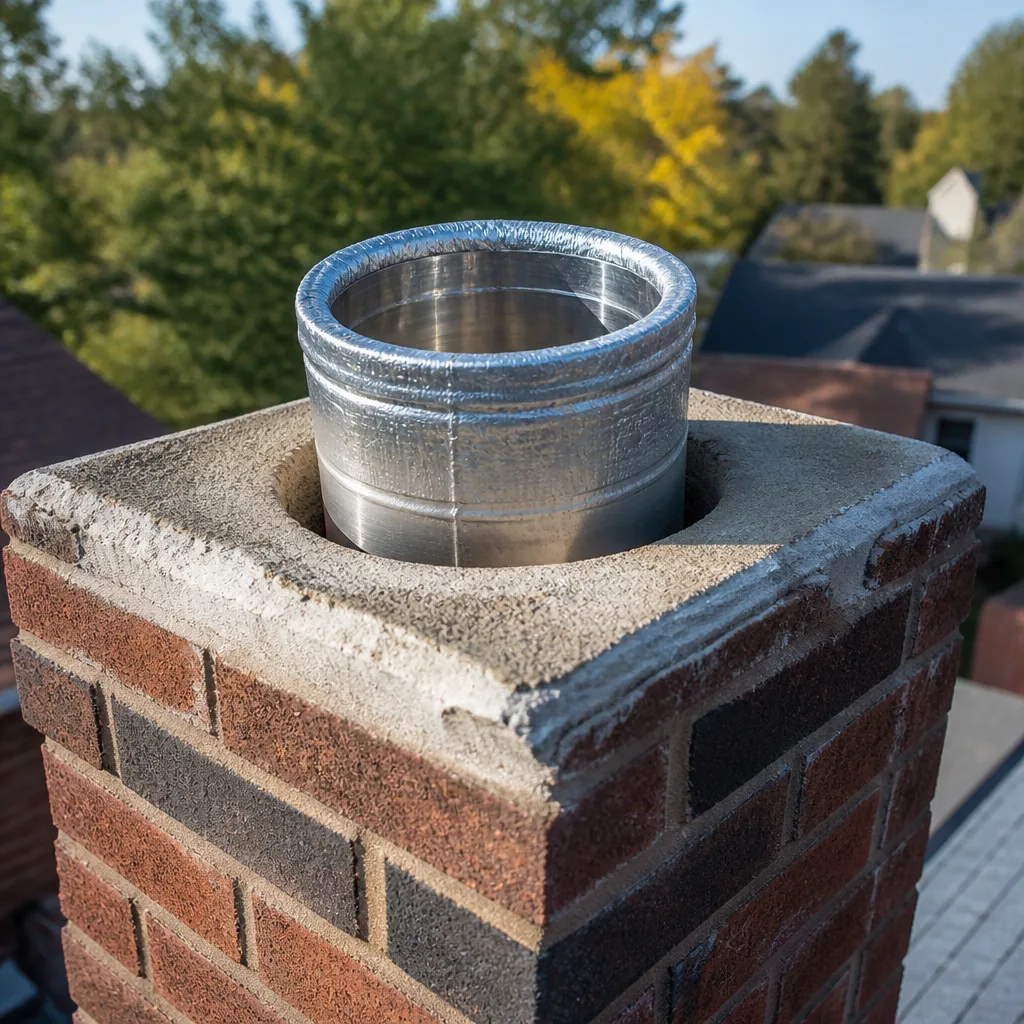 Flue relining
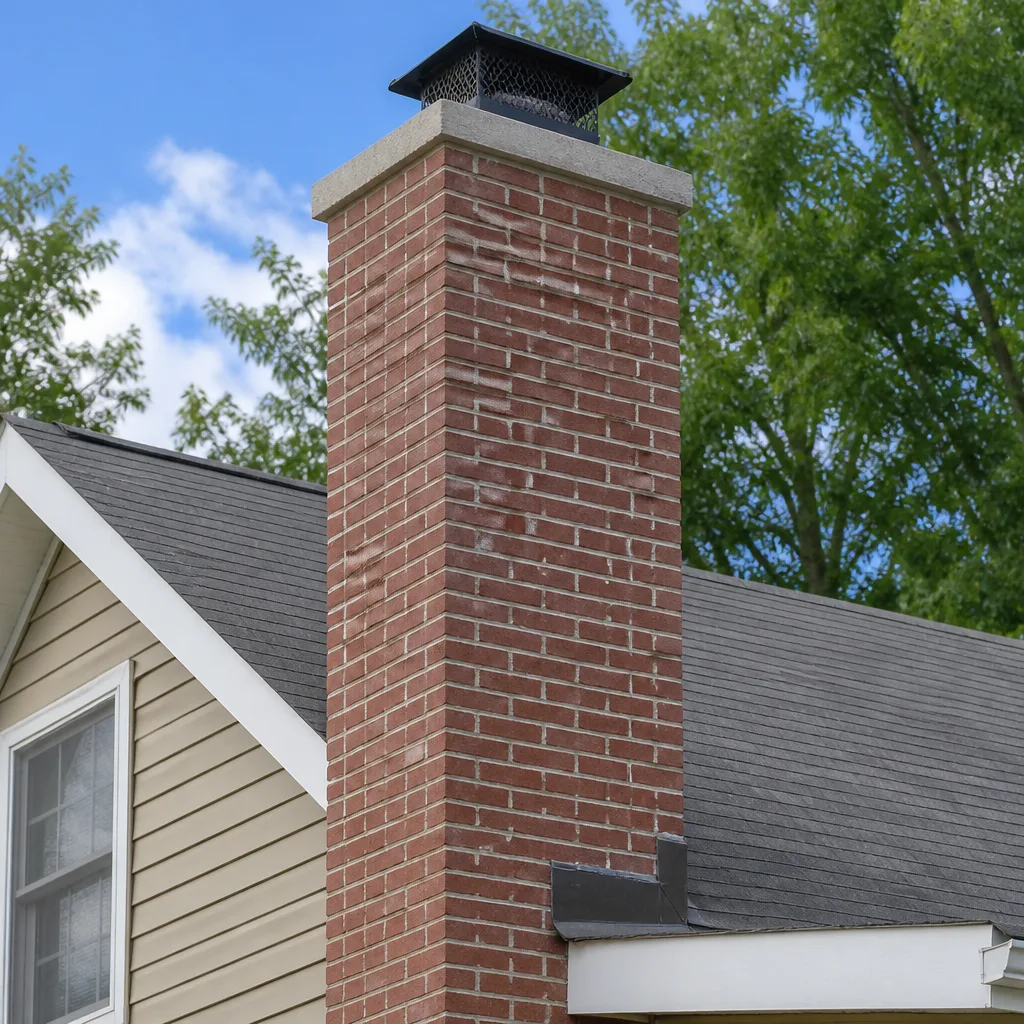 Masonry repair
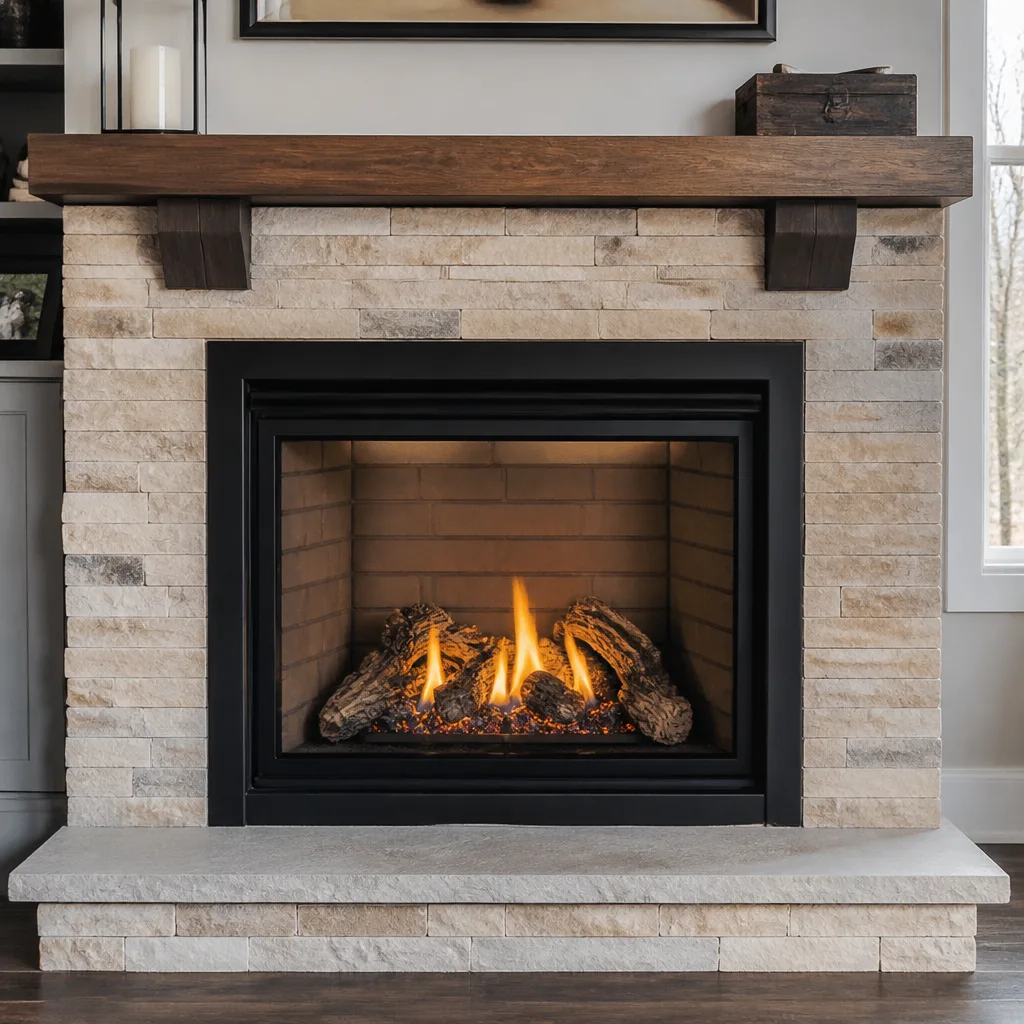 Gas fireplace service
Level 1 sweep and inspection to the NFPA 211 annual standard - flue, crown, cap, and flashing checked and photographed
Chimney sweep logs do not sweep chimneys. They loosen some creosote - which then falls where a brush and vacuum still have to collect it.
Chimney Cleaning Emergency Preparedness Guide for Englewood Homes
Most homeowners imagine a chimney fire as a roar, a wall of flame, maybe the sound of a train passing overhead. Sometimes it is. More often it’s a low rumble you can barely hear over the firebox, a stovepipe or liner that’s suddenly too hot to touch, or a puff of dark smoke where none should be. By the time the signs are obvious, the event is already underway inside the flue. This guide walks through the warning patterns that come before an emergency, the first five minutes of a chimney fire in progress, how carbon monoxide hides inside a blocked flue, and what to do afterward if the fireplace is your main heat source through an Englewood winter. You’ll come away with a checklist you can actually use.
Quick Answer
A chimney emergency in Englewood is usually preceded by 48 hours of misread warning signs: creosote crackling, a flue that won’t draft, a smoky smell in the house, or a cap blocked by ice or nesting animals. If a chimney fire is in progress, get everyone out, call 911, and don’t use the fireplace again until a certified sweep performs a Level 2 inspection. Carbon monoxide events often follow the same dead-flue pattern, so one blocked flue can produce both hazards. Call (866) 431-6293 for a free estimate on inspection and cleaning before the next heating season.
Styles & brands we work with
- Sweep & inspection
- Caps & crowns
- Flue relining
- Masonry repair
- Gas fireplace service
Table of Contents
- The 48-Hour Warning Window: Signs Homeowners Miss
- How to Recognize a Chimney Fire in Progress
- The First Five Minutes: What to Do, in Order
- Carbon Monoxide and Blocked Flues: The Hidden Second Emergency
- What to Do After a Chimney Fire, Before You Light Again
- When Your Fireplace Is Your Only Heat Source
- Insurance Documentation: Why the Level 2 Report Matters
- Building a Chimney Emergency Preparedness Plan
The 48-Hour Warning Window: Signs Homeowners Miss
Chimney emergencies are rarely sudden. In our experience, there is almost always a two-day stretch where the system is telling you something is wrong and the signs are easy to dismiss. Recognizing those signs is the single most useful preparedness skill a homeowner can build. You don’t need a gauge or a tool. You need to know what a healthy chimney sounds, smells, and feels like, so you notice when it stops being one.
Audible clues come first. A healthy fire sounds like a fire. It shouldn’t produce a low rumble, a flutter, or a crackling that sounds different from the logs themselves. Creosote burning inside a liner has a hollow, rushing quality that homeowners describe as a distant jet or a paper fire in a metal can. If that sound appears, treat it as a chimney fire until a sweep says otherwise. Don’t assume it’s just the wood.
Smell matters too. A strong, sharp creosote smell inside the home during or after a fire means the flue is either not drafting properly or has been exposed to a fire hot enough to volatilize deposits. Smoke that rolls into the room when you open the damper, when you add a log, or at the start of a fire is a drafting problem that usually means a partial obstruction. Soot falling into the firebox or drifting down over the hearth is a specific warning that the flue interior is shedding material.
Heat is the third channel. The flue pipe on a stove, or the top of a fireplace surround, shouldn’t be dramatically hotter than usual. If you can’t hold a hand near the pipe for a few seconds, if the wall behind the stove feels warm, or if the chimney breast itself is warm to the touch in the room above, stop burning and get an inspection.
Some warning signs walk around outside rather than sitting inside the house:
- A cap or mesh spark arrestor that is iced over, clogged with leaves, or hosting a bird or squirrel nest
- Visible creosote (glazed, shiny, or flaky black deposits) inside the firebox throat or smoke chamber
- Smoke stains on the exterior brick or at the cap joint, which often point to a cracked crown or failed flashing
- Water in the firebox after rain or snowmelt, a sign of a failed cap or crown that will eventually rot the damper
- Snow melting unevenly around the chimney on the roof, sometimes a sign of excess heat loss
- A hissing or popping fire that keeps happening even with dry, seasoned wood
Englewood’s dry, cold winters and spring thaw cycle put real stress on chimney caps and crowns. Ice dams form at the cap, sheet metal cracks at the joints, and the next freeze pushes moisture deeper. By the time smoke rolls into the room, the problem has often been building for weeks. If you’ve noticed any of these signs, it’s worth a professional look before you light the next fire. A routine Chimney Sweep Englewood is the first step, and a full inspection should follow if the sweep finds deposits or damage inside.
How to Recognize a Chimney Fire in Progress
A chimney fire has three speeds. The slow one is a low, quiet burn inside the liner that can smolder for hours. The fast one is the roar most people picture. The slow one is the more dangerous of the two, because it can go unnoticed for a full evening and compromise the liner without obvious drama. Recognizing which you’re dealing with determines what you do next, and the wrong read wastes minutes that matter.
Sounds
A roaring or rushing sound, like a train or a distant jet, is the classic signal of a fast-moving chimney fire. A low rumbling accompanied by a vibration you can feel through the floor or the hearth is the quieter version. Some homeowners describe a sound like popcorn. Any unfamiliar noise from the flue during a fire is worth investigating.
Smells
An intense burning creosote smell in the house, or a smoky odor on the outside that doesn’t match what you put in the firebox, is a strong signal. So is an acrid or chemical smell, which can indicate that a component of the chimney or liner is being damaged by heat.
Heat signatures
A flue pipe or chimney breast that’s noticeably hotter than usual, discoloration appearing on the metal, or warping on a stovepipe are direct evidence of an overheat event. Puffed or peeling paint on a stovepipe or a warm wall covering near the chimney breast are also red flags.
Smoke
Smoke coming from the joints of a stovepipe, from a wall or ceiling near the chimney, or from the cap on the outside in a way that doesn’t match the fire below is an emergency signal. Dark smoke in a house that was not previously smoky is another.
One useful rule: when in doubt, treat it as real. Calling the fire department for a chimney fire that turns out to be a false alarm costs you an evening. Ignoring a real one can cost you the house. Englewood’s dispatch and fire crews run these calls regularly, and they’d rather be called on a live chimney than arrive at a structure fire.
The First Five Minutes: What to Do, in Order
In the first five minutes of a chimney fire, sequence matters more than speed. Every step below buys you separation from the fire itself, and none of them requires a tool or a professional skill. Practice the order once with your household so the steps are automatic under stress.
- Alert everyone in the house and get out. Walk to each occupied room, tell people to leave, and go outside. Do not stop to gather belongings, do not carry out pets that will follow on their own or that you can safely leash at the door, and do not try to fight the fire from inside the house.
- Call 911 from outside. From a phone on the sidewalk or in your car, describe the situation: “chimney fire, fire in the fireplace, smoke coming from the flue.” Give the address clearly and stay on the line. Do not re-enter the house while the call is going.
- Stop the fire from getting air. If the firebox door is open with a screen, close the screen. If it’s a glass-front fireplace with a door, and the door is reachable from outside the room or through a window, close it. Do not re-enter a smoky room to do this. If the room is already full of smoke, skip it entirely.
- If the fire department is en route and asks you to close the damper, only do so if it can be reached safely from outside the fire room. The damper position is a judgment call that depends on the specific chimney. Follow the fire department’s instruction, not your instinct.
- Keep everyone outside until the fire department clears the structure. That includes after visible flames are out. A compromised liner can fail hours later, and smoke inside the house contains carbon monoxide and particulate that you do not want to sleep in.
After the fire department has cleared the house, do not relight the fireplace until a certified chimney sweep has inspected the system. We’ve seen liners that looked fine from above and had a section of missing tiles inside. The chimney repair scope that follows a chimney fire almost always begins with that inspection and then branches depending on what it finds.
Carbon Monoxide and Blocked Flues: The Hidden Second Emergency
A blocked flue doesn’t just stop draft. It redirects combustion gas back into the living space, and carbon monoxide is the portion of that gas you can’t see, smell, or taste. This is why a chimney blockage is a CO emergency in slow motion, and why it’s the second most important thing a homeowner can prepare for after fire itself.
In Englewood and the surrounding Front Range, we see three blockages again and again:
- Animal nests. Birds, squirrels, and raccoons move into flues and chimney caps through the fall. A nest built in October becomes a full blockage by December, and the smell in the house may be mistaken for a dead animal in the wall.
- Ice dams on caps. A cap with a solid metal top is fine until a freeze-thaw cycle seals the spark screen with ice. Once the mesh is sealed, the flue can’t draft. Englewood’s temperature swings in January and February create these dams repeatedly, and they can re-form within hours of clearing.
- Collapsed liner sections. A tile liner can crack across a season and shed broken tiles into the flue. Older homes in the older neighborhoods of Englewood frequently have this pattern. The broken section becomes a blockage that redirects exhaust downward into the house.
CO can also come from a fire that’s burning badly in an otherwise clear flue: a fire smoldering in a closed firebox, a gas appliance backdrafting, or a stove that’s been over-sized for the vent. In any of those cases, a properly working CO alarm is what saves lives.
What to do if a CO alarm sounds
- Get everyone (and pets) outside immediately. Do not look for the source first.
- Call 911 from outside. CO alarms are treated as emergencies by dispatch.
- Do not re-enter until the fire department has cleared the house and measured CO.
- Do not relight the fireplace, run any gas appliance, or start any engine in an attached garage until a qualified technician has inspected the appliance and its vent.
- After any confirmed CO event traced to a chimney or vent, a Level 2 inspection of that flue is standard practice before the system is used again.
What your home should have ready
- A working carbon monoxide alarm on each floor and outside sleeping areas (test the alarm monthly, replace the sensor inside the unit’s recommended interval)
- A phone list of the fire department, your gas utility’s emergency line, and a chimney sweep
- A dry, seasoned wood supply (wet wood creates more creosote, which increases both fire and CO risk)
- A chimney cap in good condition that keeps out animals, rain, and snow
If your CO alarm has ever gone off near a fireplace, a wood stove, or a gas appliance vented through a chimney, call us for an inspection before the next heating season. The pattern of a dead flue usually has a cause we can find.
What to Do After a Chimney Fire, Before You Light Again
The most common mistake after a chimney fire is assuming the fireplace works because the fire is out and the smoke has cleared. A chimney fire damages the liner in ways you cannot see from the firebox, and a liner that holds together at room temperature can fail the first time it’s heated to 1,000 degrees again. This is why a Level 2 inspection is the first step after any chimney fire, and why it’s the standard the whole industry works to.
A Level 2 inspection is a scope-based inspection of the entire flue interior, including areas you can’t see from the firebox. It’s the level required whenever a chimney has experienced a fire, a change in fuel type, a change in appliance, or a property transfer. It is not the same as the visual look inside the firebox that a Level 1 covers. The inspector runs a camera through the flue and documents what’s there: cracked tiles, missing mortar joints, gaps at the flue collar, creosote glazing from the fire itself, or a sagging liner section that the fire pulled loose.
What a Level 2 typically finds after a fire in an Englewood home:
- Cracked or spalled tiles along one section of the flue, which need to be relined
- Glazed, hardened creosote that’s now bonded to the liner wall and can’t be removed with a standard sweep
- Missing mortar at the flue joints, which lets combustion gas reach framing
- A damaged cap or crown that the fire’s heat warped or cracked
- Sometimes a warped or discolored stovepipe or fireplace insert connection
Once the inspection report is in hand, the repair scope is usually one of a few paths. A minor case may only need a full sweep and a cap replacement. A more serious case may call for relining with a DuraFlex flexible liner system, which is the industry-standard approach for a flue that’s lost integrity. A moderate case might qualify for HeatShield ceramic resurfacing, which restores a deteriorated flue without a full tear-out. We use the same materials chimney professionals specify by name, so the repair matches the flue rather than substituting a general-purpose part.
Do not let the fireplace be “test-lit” before a Level 2 report exists. It’s the single step that determines whether the next fire is safe.
When Your Fireplace Is Your Only Heat Source
An Englewood winter can drop into single digits overnight, and for some homes the fireplace or wood stove is the primary heat. When the chimney is compromised in January, that’s not just a fireplace problem. It’s a heat problem. The prepared response is not to keep burning. It’s to have a plan B that doesn’t require the flue.
Before the cold season, identify what your backup heat is: a working furnace, a heat pump, space heaters rated for indoor use, a generator for electric heat, or a stay-with-family plan for the coldest nights. The point is to know the answer before you need it. If the fireplace is your only heat and the chimney becomes unusable, the correct move is to shut down the fireplace and move the household to backup heat, not to “burn one more night carefully.”
Here’s what a prepared household has in place going into winter:
- A backup heat source verified to work before the first cold snap (furnace serviced, heat pump tested, portable heaters checked)
- A carbon monoxide alarm on each floor and outside sleeping areas, tested monthly
- Flashlights, batteries, and a phone charger bank for the nights when the power also goes out
- A working cap and crown on the chimney, because both protect the flue from the snow and ice that cause the blockages which turn a cold night into a CO event
- A scheduled pre-season chimney sweep, ideally in the late summer or early fall, so the flue is ready before the first fire
If the fireplace is compromised midway through the season, call before the next cold front. We can inspect, document, and tell you when the fireplace can be used again and when it cannot. Until then, treat it as off-limits.
Insurance Documentation: Why the Level 2 Report Matters
Insurance companies process chimney fire claims on documentation, not on description. A verbal “the chimney looks bad” from a contractor won’t move a claim forward, and an inspection report written on a generic form without photos and scope detail may prompt questions the homeowner can’t answer later. The written inspection report from a certified sweep, with scope and photographs of the flue interior, is what your insurer will actually evaluate.
Here’s what a report needs to contain to be useful to an insurance adjuster:
- The inspection level performed (Level 1, 2, or 3) and the reason it was performed (post-fire, change of fuel, property transfer)
- The scope: what was inspected and with what tools (camera, mirror, light)
- Descriptions of each defect found, tied to photographs of that defect
- A recommendation for each defect: sweep only, resurfacing, relining, cap or crown replacement
- The inspector’s credentials and the standards the inspection was performed to
- An itemized scope of recommended repairs, which the adjuster maps to a claim
A general contractor’s verbal assessment, even a well-intentioned one, does not carry the same weight. A chimney sweep’s Level 2 report does. Keep the report, the photographs, and any fire department incident report together in one place as soon as they exist. For the repair scope, ask whether the recommended fix is a full reline, a HeatShield resurfacing, or a component-level repair. Each is documentable, and each has a different cost profile the adjuster needs to see clearly.
If your insurer requests a re-inspection after repairs, the follow-up report is what closes the claim. Prompt documentation after the fire is what makes that close possible months later.
Building a Chimney Emergency Preparedness Plan
An emergency plan is cheap to build and easy to keep. Put it together once, then update it every fall when you test the smoke and CO alarms and book the pre-season sweep. The structure below is what we walk Englewood homeowners through when they ask what they should do ahead of the season.
Step 1: Know your system
Write down the type of chimney (masonry or factory-built), the fuel it vents (wood, gas, oil, pellet), the last service date, and any repairs you’ve had done. Keep it in a folder with the inspection reports. When you call a sweep or your insurer, this is the first information they’ll ask for.
Step 2: Book a pre-season inspection
A Level 1 inspection before each heating season covers what you can see, and a Level 2 inspection should be booked after any event: a fire, a chimney blockage, a change of appliance, or a transfer of the property. The chimney sweep is the first step. A chimney inspection is what tells you what the sweep can’t.
Step 3: Verify your alarms and your backup heat
Smoke alarm on each level, CO alarm on each level, both tested monthly. Backup heat verified before the first cold night. A phone list of fire department, gas utility, and sweep.
Step 4: Prepare the outside of the chimney
A cap in good condition is the cheapest emergency prevention you can buy. It keeps out the animal nests and the ice dams that close flues, and it protects the crown from snow and rain. Our fireplace repair scope often starts with a cap that should have been replaced a season earlier.
Step 5: Rehearse the first five minutes
Walk the household through the steps once: out the door, 911 from outside, no re-entry. Then review it again in the fall. That’s the plan.
Common Mistakes to Avoid
- Waiting for smoke to be dramatic before calling. A low rumble and a warm flue pipe inside a fireplace that otherwise looks fine is the most common early chimney fire signal in Englewood. Waiting for visible flame from the cap wastes the minutes that matter.
- Burning wet or “seasoned” wood that isn’t. Wood that hasn’t had time to dry produces more creosote per fire, which raises both fire and CO risk. Buy wood that’s been split and stacked at least a full season, and check it with a moisture meter if you’re not sure.
- Skipping the Level 2 inspection after a fire. A Level 1 look inside the firebox won’t reveal a cracked flue tile two courses up. The Level 2 is what your insurer and the next technician rely on.
- Using a general handyman for chimney work. Chimney work requires trade-specific materials. A cap from a hardware store is not the same as a Gelco or Famco cap, and a reline with a generic liner is not the same as a DuraFlex system specified for that flue.
- Assuming a clean flue is a safe flue. A flue can be swept clean and still have a cracked tile, a failed crown, or a missing cap that will cause the next problem. Cleaning and inspection are two different services.
- Ignoring the cap because it “still works.” A cap that’s bent, missing mesh, or iced over isn’t working. It’s the most common entry point for the blockages that cause CO events in Englewood.
- Relighting the fire after a fire department visit. The fire department clears the structure for occupancy, not for fireplace use. The chimney hasn’t been inspected yet.
See the difference
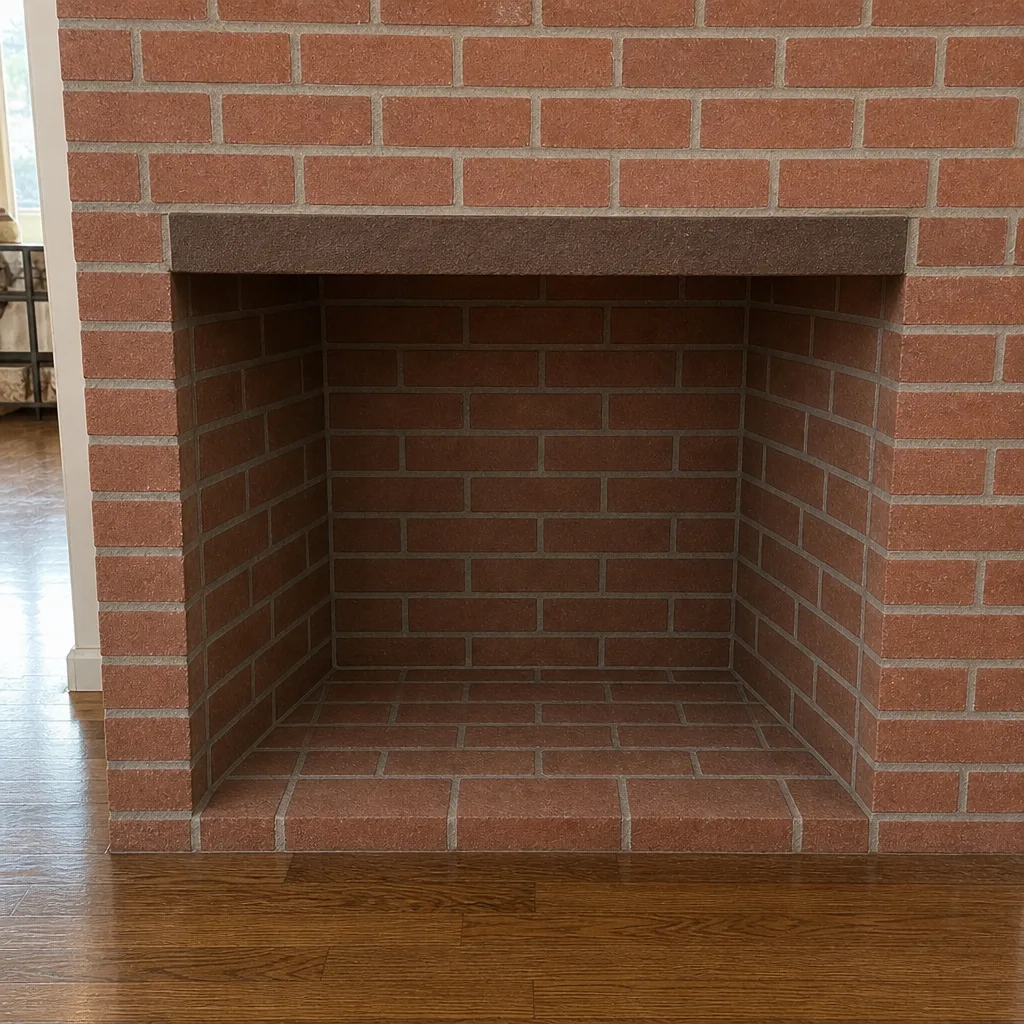
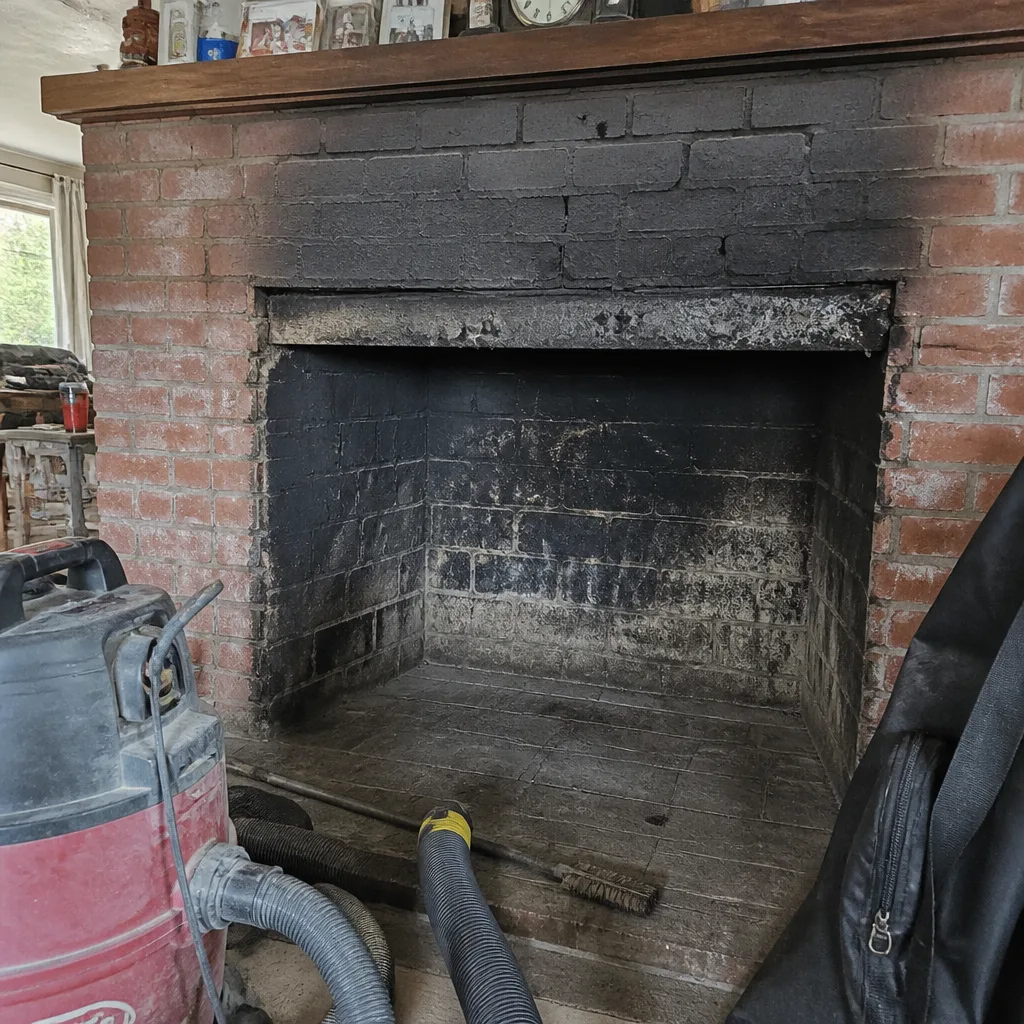 Before
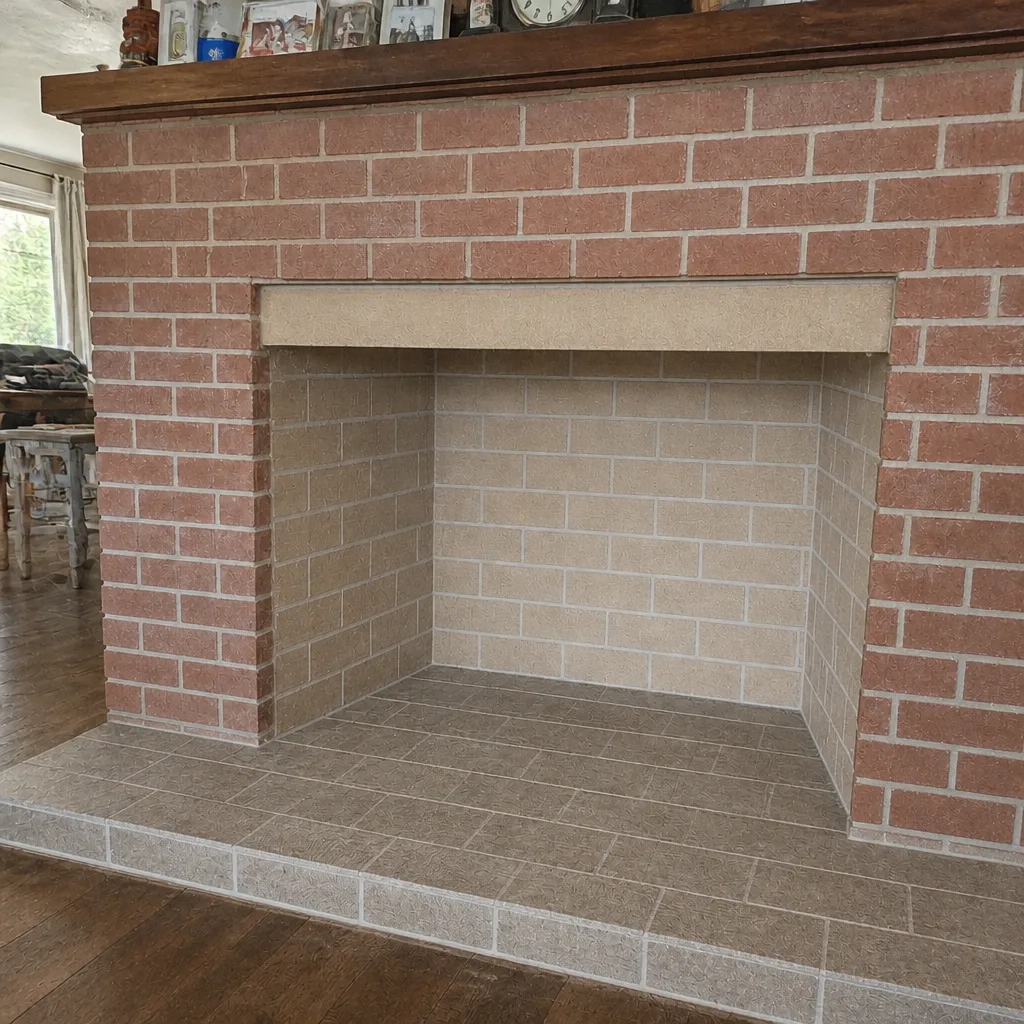 After
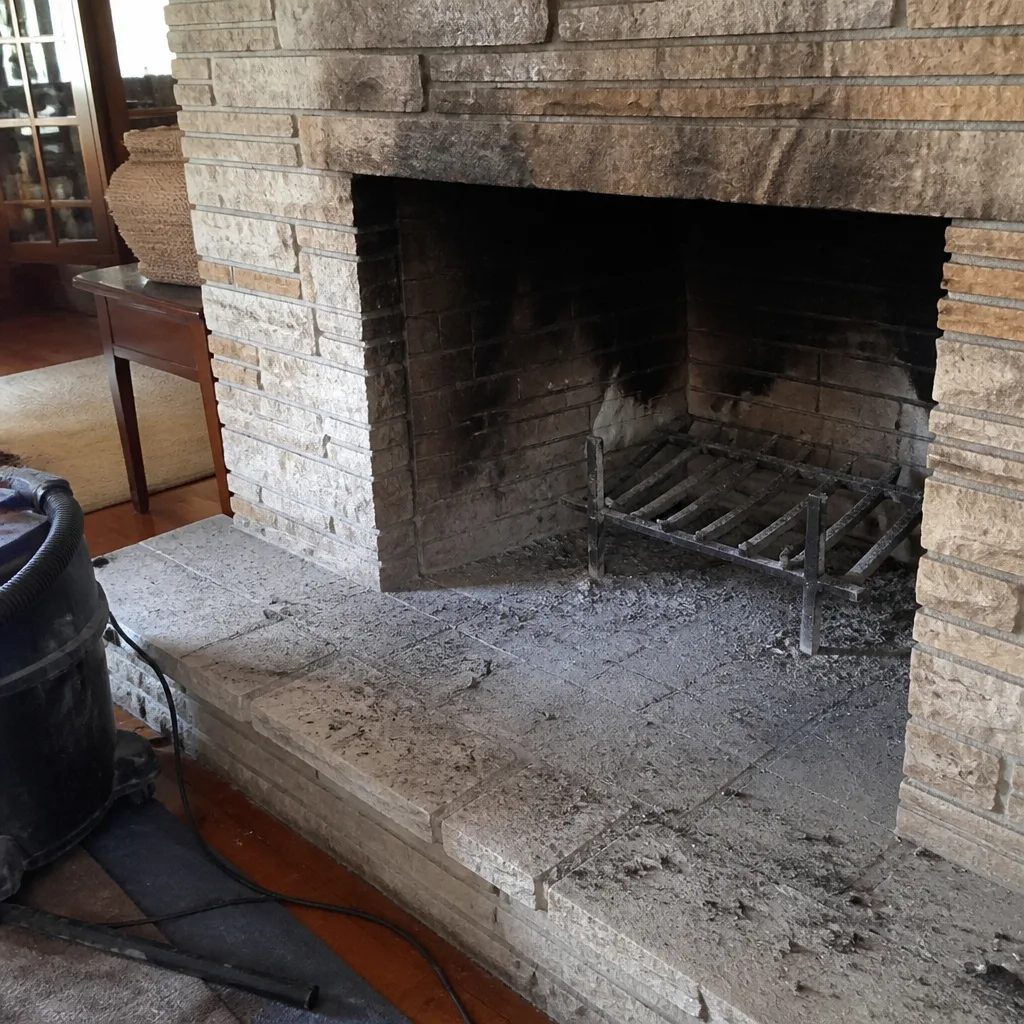
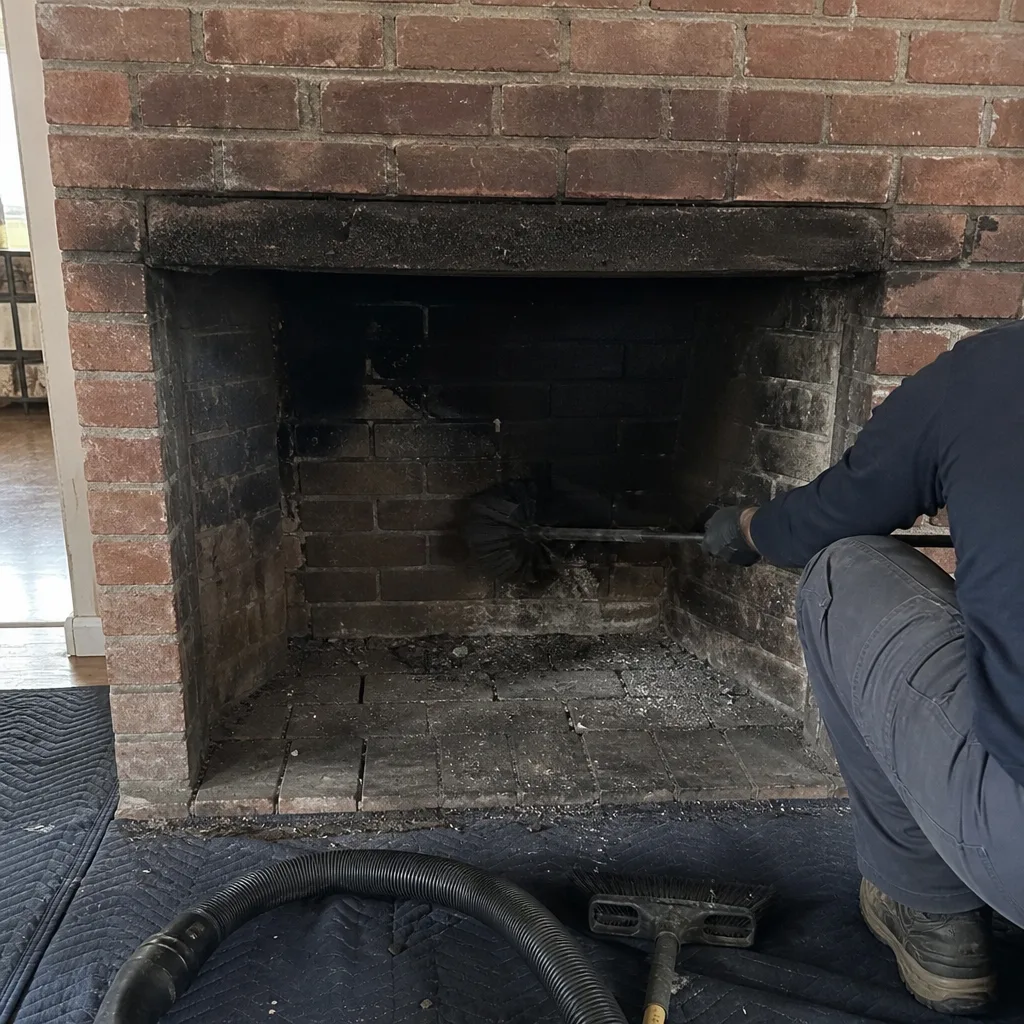 Before
 After
 Before
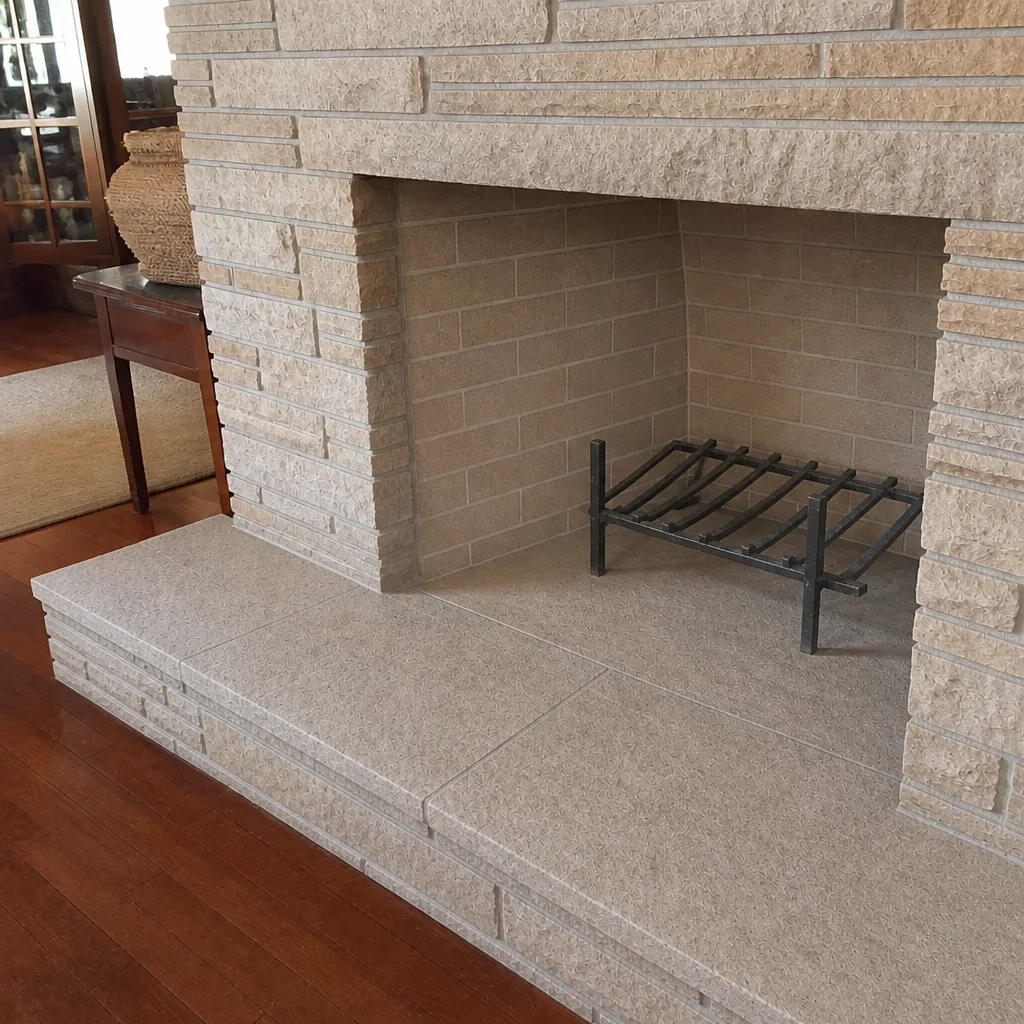 After
When to Call a Professional
Call a professional chimney sweep in Englewood when any of the following is true: you’ve had a chimney fire of any size; your CO alarm has sounded near a fireplace, wood stove, or gas appliance; you’ve noticed smoke rolling into the room or soot falling into the firebox; your fireplace hasn’t drafted well all season; you’ve moved into a home where the last service date is unknown; or the cap on top of the chimney has visible damage, missing mesh, or a buildup of ice. Also call before the season starts, so a sweep and inspection are done ahead of the first cold snap rather than during it. Chimney Sweep Englewood offers free estimates in Englewood. Call (866) 431-6293. We answer 24/7. Fast dispatch from 7am to 7pm, Sunday through Friday.
Frequently Asked Questions
A chimney fire can sound like a low rumble you feel through the floor, a rushing or roaring sound, or popping that isn’t coming from the logs. Some are silent. If you hear any unfamiliar sound from the flue during a fire, treat it as real and call 911 from outside the house. Call (866) 431-6293 after the fire department clears the structure for a Level 2 inspection.
Carbon monoxide can build inside a home within minutes of a blocked flue once a fire is lit, and it can accumulate to dangerous levels before a person notices any symptoms. This is why CO alarms on each floor matter more than any other precaution. If your alarm sounds, get everyone outside and call 911 first, then call (866) 431-6293 for the chimney inspection and repair.
Yes. A Level 2 inspection is the standard for any chimney that has experienced a fire, a change in fuel type, or a property transfer, and it’s what your insurer will request if you file a claim. A Level 1 look inside the firebox won’t show the cracked tiles or damaged crown that a camera inspection will. Call (866) 431-6293 to book a Level 2 inspection. Estimates are free.
Sometimes. HeatShield ceramic resurfacing can restore a deteriorated flue without a full tear-out when the liner is otherwise structurally sound, and it’s a method most general sweep services can’t provide. It isn’t always the right answer; a fully failed liner needs a DuraFlex reline instead. The Level 2 inspection decides which path applies. Call (866) 431-6293 to find out if your flue qualifies.
Shut down the fireplace, move the household to backup heat, and don’t relight until the flue has been inspected and repaired. Verify your backup heat before the cold season starts so it isn’t a scramble when the fireplace goes down. Call (866) 431-6293 to schedule an inspection and get a written scope before the next cold front.
An annual inspection is the baseline, and a sweep is due whenever creosote buildup reaches about an eighth of an inch, which often works out to once a year with regular use. A Level 1 inspection covers a pre-season check; a Level 2 follows any fire, blockage, or appliance change. Call (866) 431-6293 for a free estimate on both sweep and inspection, then book the sweep before the first cold snap.
The Bottom Line
Chimney emergencies in Englewood almost always start with warning signs a homeowner could have caught: a rumble, a creosote smell, smoke rolling into the room, a cap iced over in January, or a CO alarm that’s been ignored. The prepared household watches for those patterns, has a working CO alarm and a backup heat plan, and knows the first five minutes in order: out the door, 911 from outside, no re-entry. After any fire, a Level 2 inspection comes first, and the report is what your insurer and the next technician rely on. Cap and crown work, relining with DuraFlex, and HeatShield resurfacing are all part of a proper response when the flue is compromised. One call covers inspection, cleaning, repair, and cap work. Call (866) 431-6293 for a free estimate. We answer 24/7. Fast dispatch from 7am to 7pm, Sunday through Friday.
Written by the team at Chimney Sweep Englewood.