
Last updated November 24, 2026
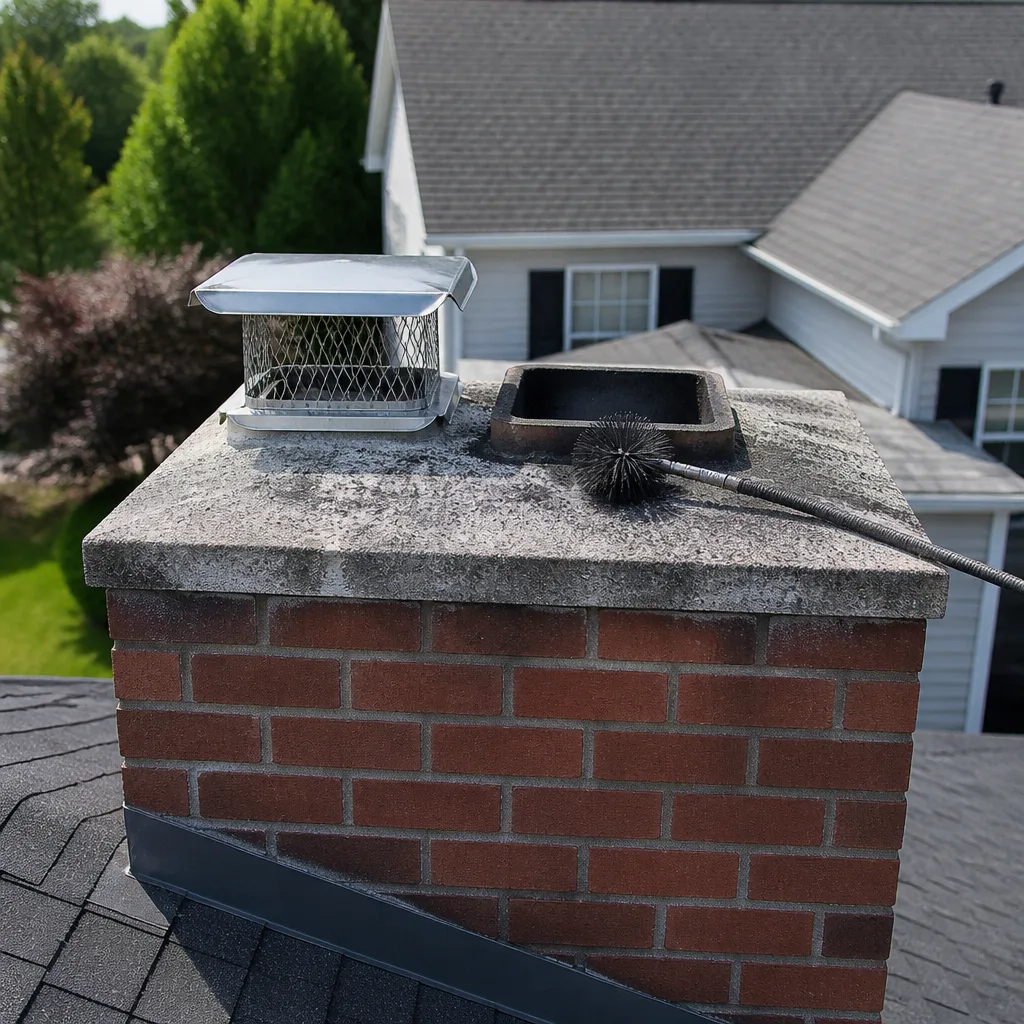 Sweep & inspection
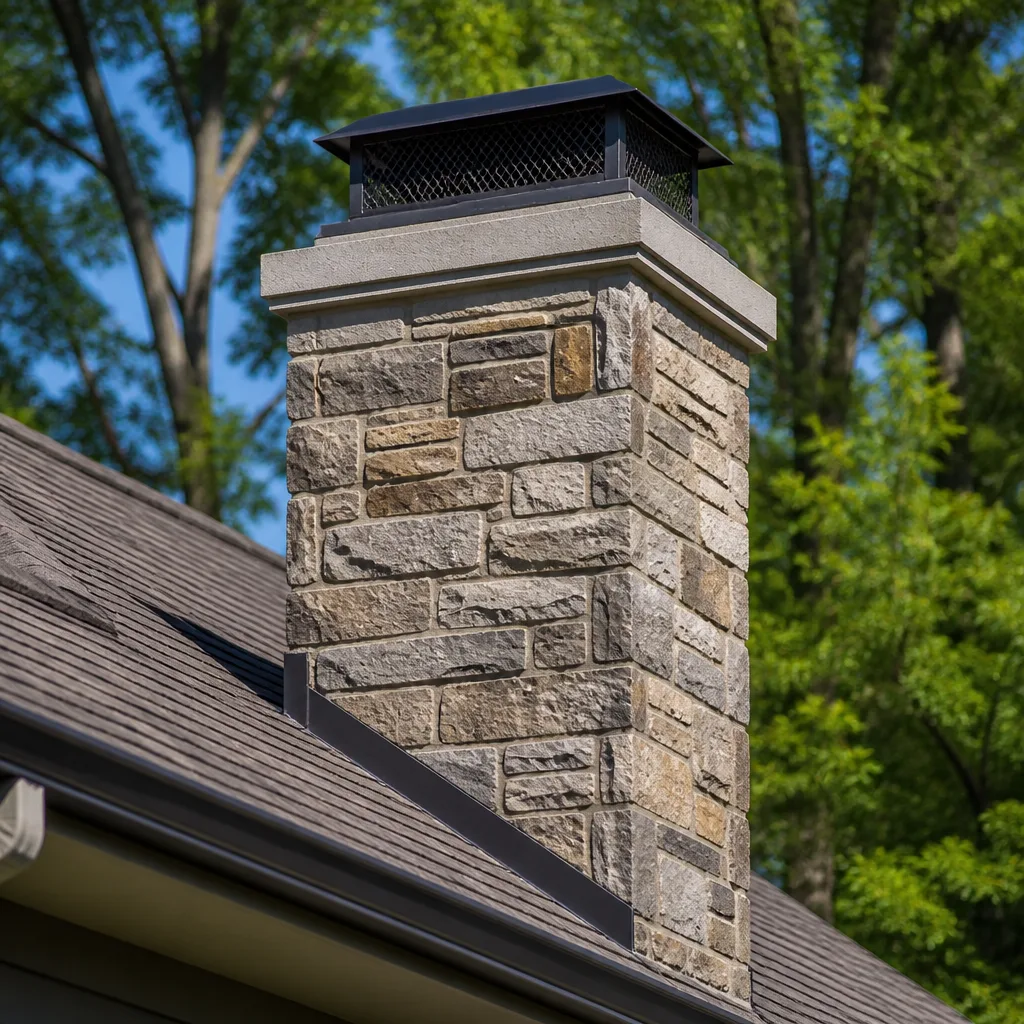 Caps & crowns
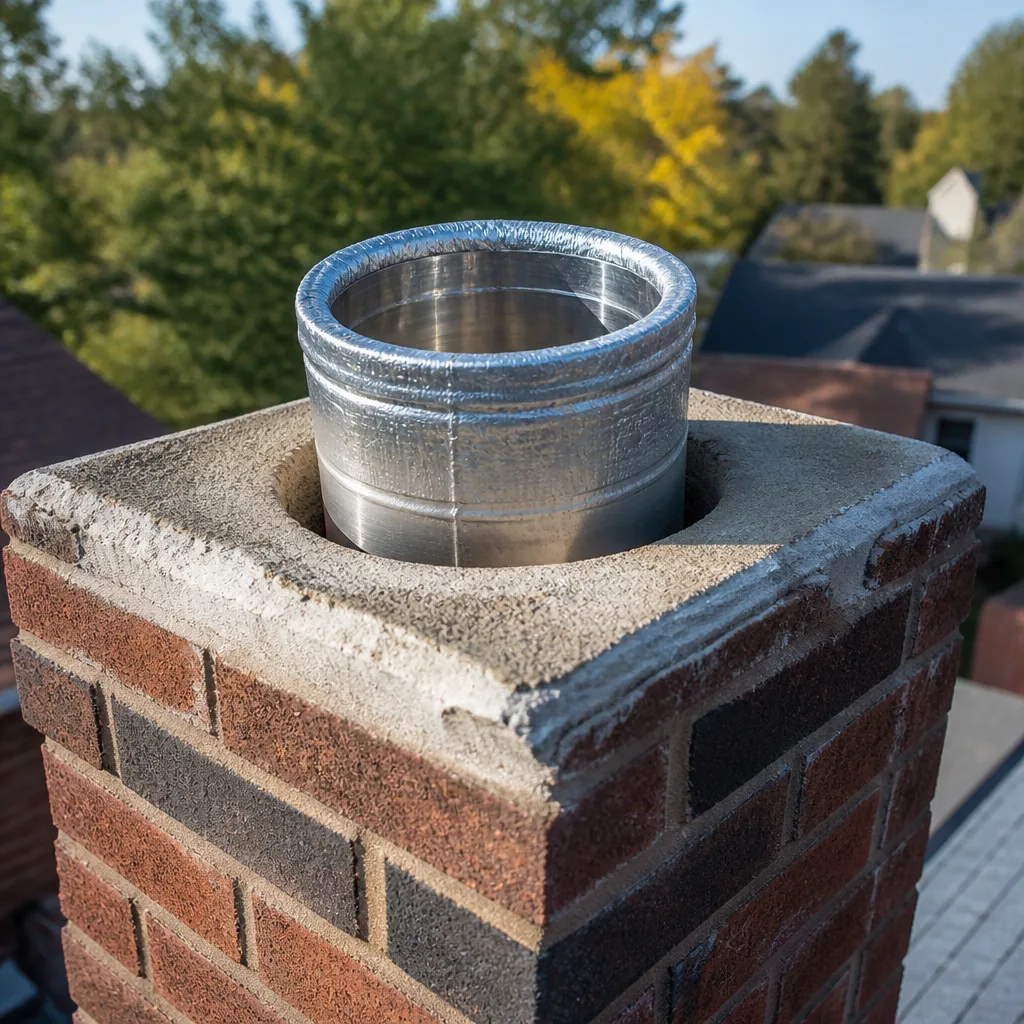 Flue relining
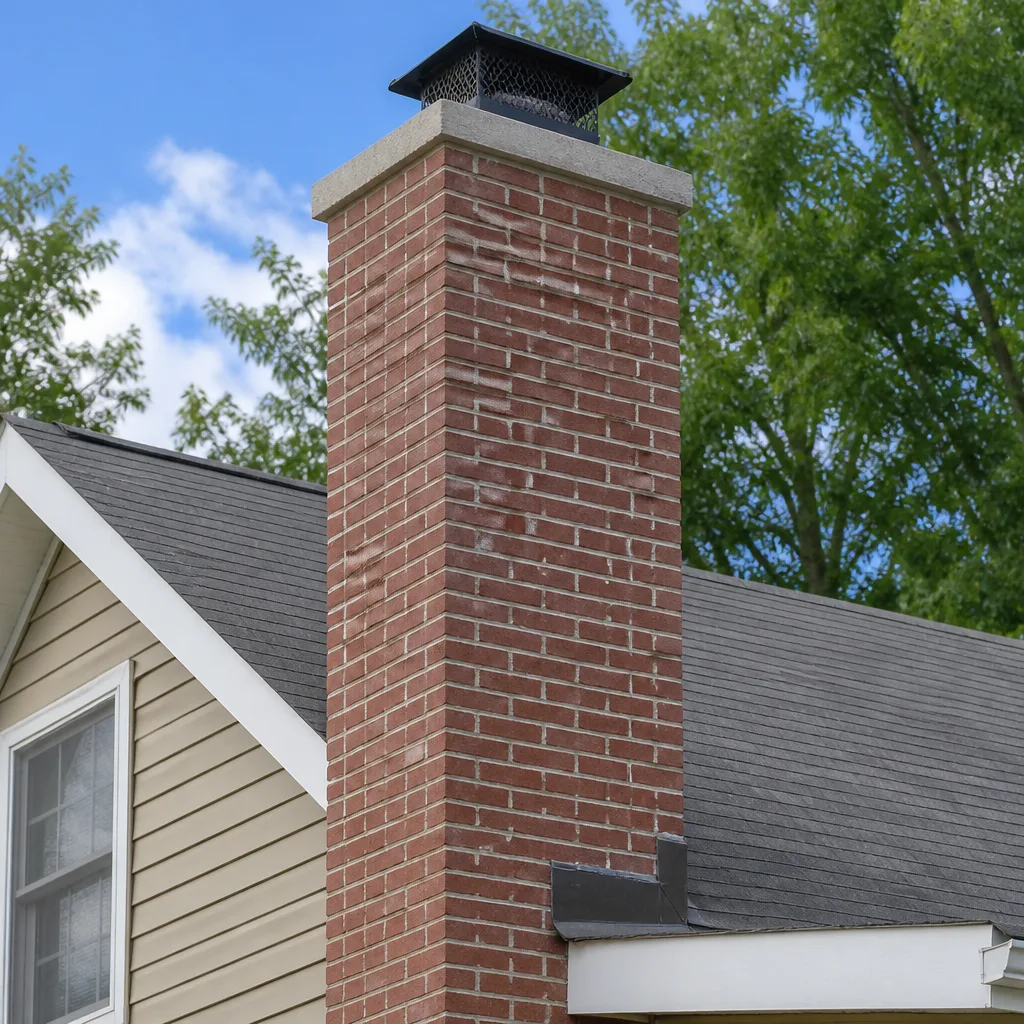 Masonry repair
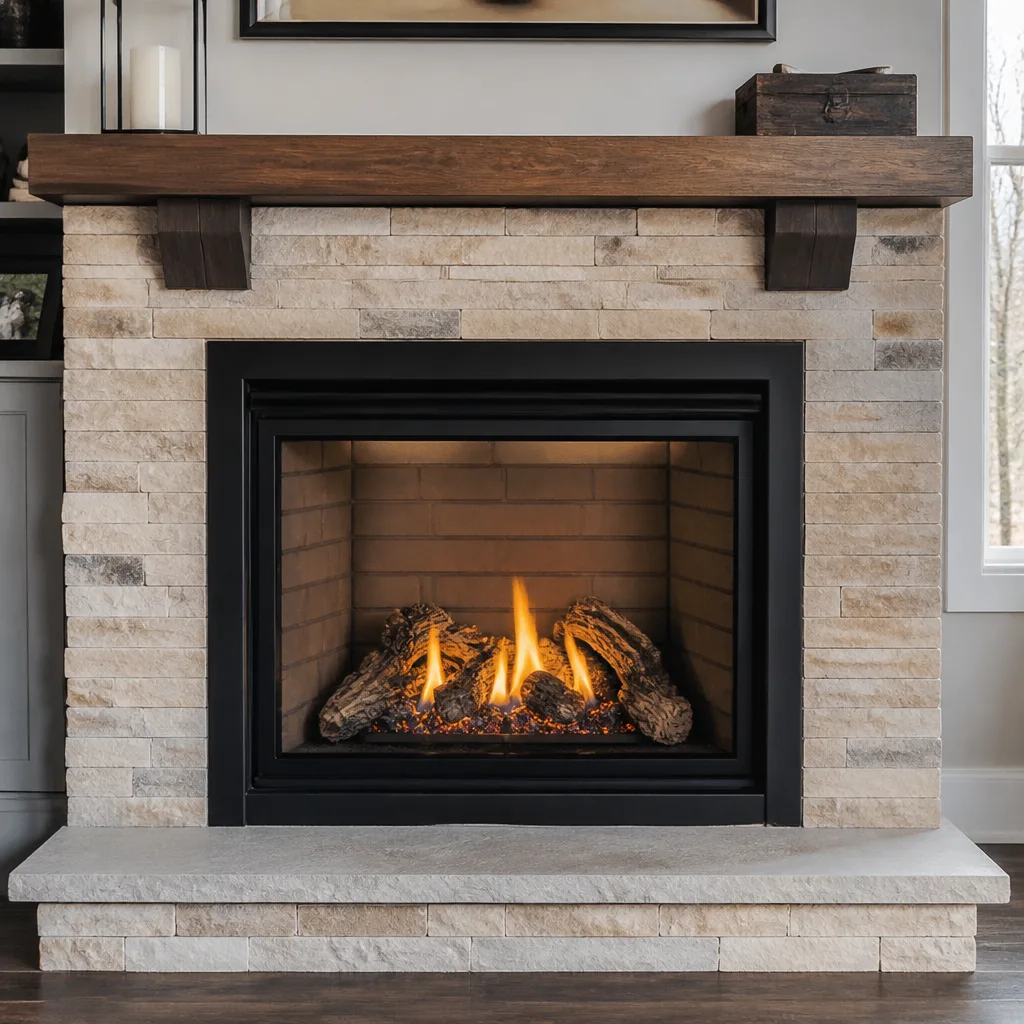 Gas fireplace service
Level 1 sweep and inspection to the NFPA 211 annual standard - flue, crown, cap, and flashing checked and photographed
Chimney sweep logs do not sweep chimneys. They loosen some creosote - which then falls where a brush and vacuum still have to collect it.
Seasonal Chimney Cleaning Care for Englewood: Year-Round Homeowner’s Guide
Most homeowners in Englewood think about their chimney twice: once when they light the first fire and once when smoke starts backing up. That schedule misses the damage. The freeze-thaw cycles we get in March and October, not the deep January cold, are what crack mortar crowns and open paths for water to reach flue tiles. Water gets in, freezes, expands, and repeats until a hairline crack becomes a repair. The condition of your chimney is set by what happens between fires, not during them. This guide breaks the year into four seasons plus hail season and shows what to inspect, when to schedule work, and what can safely wait. You’ll finish knowing what each part of the year does to masonry and liners in Englewood, and when to book a sweep before the fall rush.
Quick Answer
Seasonal chimney care in Englewood means matching each season’s work to the damage that season causes: a post-winter inspection in spring to catch freeze-thaw spalling and moisture intrusion, masonry and waterproofing repairs in summer when the weather holds, a pre-burn sweep and inspection before the first fire in late September, and creosote-conscious burning through winter. Hail season from May through August adds a roof-level inspection most seasonal guides leave out. The single most useful habit is one inspection after the thaw and one sweep before the first burn.
Styles & brands we work with
- Sweep & inspection
- Caps & crowns
- Flue relining
- Masonry repair
- Gas fireplace service
Table of Contents
- Spring: What the Post-Winter Inspection Should Catch
- Summer: The Right Time for Masonry Repairs and Waterproofing
- Hail Season: The Inspection Layer Most Guides Skip
- Fall: Pre-Burn Readiness Before Englewood’s First Fire
- Winter: Burn Practices That Limit Creosote
- Mid-Season Warning Signs: Smoke Smell and Staining
- Why the Materials Behind the Work Matter
- Common Mistakes to Avoid
- When to Call a Professional
- Frequently Asked Questions
Spring: What the Post-Winter Inspection Should Catch
Spring is when the chimney shows what winter did to it. Englewood swings above and below freezing repeatedly in March and often again in October, and every one of those swings works on saturated masonry. Water soaks into a mortar joint or a hairline crack in the crown, freezes overnight, expands, and pushes the material apart a little more. Come spring, that damage is visible if anyone looks for it. A post-winter inspection is the look.
A useful spring inspection checks more than the firebox. It should catch:
- Freeze-thaw spalling. Flaking or crumbling faces on brick and mortar joints, especially near the crown and the top few courses where moisture collects.
- Crown cracks. The concrete or mortar cap at the top of the chimney is the first line of defense against water. Hairline cracks there let water straight into the flue structure.
- Snowmelt intrusion. Water stains on the ceiling or chimney breast, rust on the damper, or a musty smell in the firebox after a wet spring all point to water getting in somewhere above.
- Animal nesting. Spring is nesting season. Birds, squirrels, and raccoons look for sheltered spots, and an uncapped flue is exactly that. A cap prevents the problem; an inspection finds it before a nest becomes a blockage.
- Liner condition. Winter’s thermal cycling stresses flue tiles. Cracks that weren’t there in the fall often appear by spring.
Spring is also the season homeowners most often skip. The fireplace is cold, the weather is finally decent, and the chimney drops off the list. That’s the problem: the damage from freeze-thaw is happening now, quietly, and a small crown crack caught in April is a cheap fix compared with what it becomes by the next thaw. If you only book one look a year besides the fall sweep, book it in spring.
Summer: The Right Time for Masonry Repairs and Waterproofing
Summer is the repair window, and it’s the one most Englewood homeowners miss because the fireplace is the last thing on their mind in July. Masonry work needs stable, dry weather to cure properly. Waterproofing needs a dry surface to bond to. Neither happens reliably in a wet spring or a cold fall. Summer gives you the stretch of dry days that lets a repair actually hold.
Here’s what summer is the right season for:
- Crown repair or replacement. A cracked crown is rebuilt or sealed while the weather is dry, so the new material cures without rain working against it.
- Waterproofing. A breathable water repellent applied to dry masonry slows water absorption and gives the brick a fighting chance through the next freeze-thaw cycle. It’s not a sealant that traps moisture; it lets the masonry breathe while shedding bulk water.
- Liner resurfacing or relining. If a spring inspection found cracks or gaps, summer is when the work gets done. HeatShield ceramic resurfacing can restore a deteriorating flue without a full tear-out, and a DuraFlex flexible liner system handles relining jobs where the existing flue can’t be resurfaced. Getting this done in summer means the chimney is ready before the first fire, not halfway through October.
- The pre-season sweep. Booking your chimney sweep in summer beats the fall rush. Everyone calls in September and October, and the schedule fills. A summer sweep gives you time to schedule any repair the inspection turns up before you need the fireplace again.
This is the seasonal logic most people get backwards. They wait until fall to think about the chimney, then discover a repair that should have been done in July. Moving the inspection and sweep earlier in the year means the work that follows has time to happen. One call covers inspection, cleaning, repair, and cap work, with no second contractor needed.
Hail Season: The Inspection Layer Most Guides Skip
Englewood’s hail season runs roughly May through August, and it adds an inspection layer that seasonal chimney guides almost never mention. Hail doesn’t care about fire safety. It hits the roof, the chimney cap, and the crown, and it hits them hard. A hailstorm can dent or crack a metal cap, chip the crown, and loosen the flashing where the chimney meets the roof, all without a single sign from inside the house.
After a significant hail event, these are the parts worth checking:
- The cap. A dented or cracked cap can let water in and let animals in. It also may no longer keep rain out the way it’s supposed to. Caps installed from Gelco and Famco covers, sourced from dedicated chimney supply lines rather than generic hardware, hold up better than a hardware-store cap, but nothing is hail-proof.
- The crown. Hail strikes the crown directly. Chips and cracks there become water entry points in the next thaw.
- Flashing. The metal that seals the chimney-to-roof joint can lift or deform under hail. If it does, water finds the gap, and you get a ceiling stain the next time it rains.
- The masonry above the roofline. The exposed courses take the brunt of the strike. Look for new spalling or loose pieces.
The practical takeaway: add a post-hail visual check to your summer routine. If your neighborhood got hit, it’s worth a look at the cap and crown even if you have no reason to suspect a problem. Roof-level inspection is chimney work, and it’s part of what we do. A cap or crown that fails inspection gets replaced with materials built for the trade, so the fix holds up through the next hail season too.
Fall: Pre-Burn Readiness Before Englewood’s First Fire
Englewood’s first fire typically happens in late September, sometimes a touch earlier if the nights turn cold fast. The pre-burn window is the last chance to verify the chimney is ready before you need it, and it’s the most important checkpoint of the year. A fall failure means a fire you can’t safely light.
Here’s what to verify before that first fire, in order:
- Book the sweep first. Creosote builds up through the burn season. A fall sweep clears it before you add to it. The sweep also gives you the first look at the interior.
- Get an inspection. A chimney sweep is the first step. A chimney inspection tells you what the sweep can’t see: liner condition, cracks, gaps at joints, and the state of the crown and cap. The two are not the same thing, and the inspection is the one that finds safety problems.
- Check the flue for blockages. Nests, leaves, and debris build up over the off-season. A blocked flue pushes smoke back into the house, and worse, it can force carbon monoxide into living space.
- Verify the cap is intact and seated. A loose or missing cap means water and animals get in. Replacing it now is cheap; dealing with the damage it lets in is not.
- Test the damper. It should open and close smoothly. A damper stuck partway can hurt draft and make a fire smoke.
- Confirm the liner is sound. Cracks or gaps in the flue liner let heat and carbon monoxide reach the structure around the chimney. If the inspection finds a problem, a reline or resurfacing before the first fire is the right call.
The fall window is also when scheduling gets tight. Everyone wants their chimney inspected in September. Booking in summer, or early in the fall before the rush, is how you avoid a situation where the fireplace sits unused because the sweep couldn’t get there before the cold set in. When the inspection does happen, everything is on camera and in a photo report, so you’re seeing what we’re seeing.
Winter: Burn Practices That Limit Creosote
Winter is when most of the creosote forms, and what you do during the burn season determines how much of a mess you’re dealing with in spring. Colorado’s dry air doesn’t change the basics of creosote formation, but it does mean the fire is often burning hotter and faster than a damp coastal climate would produce. That helps draft and hurts nothing, as long as you’re not creating the cool, smoldering conditions that build creosote fastest.
Burn practices that limit creosote:
- Burn dry, seasoned wood. Green or wet wood spends its heat boiling off water instead of burning clean. That low-temperature, smoldering fire is the top creosote builder there is.
- Don’t choke the air supply down. A fire starved of air burns cool and smolders. You get more creosote and less heat. Give it enough air to burn brightly.
- Build hot fires rather than long, lazy ones. A hot, active fire with good draft burns cleaner than a slow one kept going all day.
- Watch for the telltale signs. A strong creosote smell, a fire that’s hard to start, or smoke rolling into the room all point to a dirty or restricted flue. Mid-season, a chimney repair or a sweep may be what’s needed, not more wood.
- Keep the firebox clear. Ash buildup reduces draft and makes the fire harder to control.
Winter is also burn-management season, and that means paying attention to the flue, not just the fire. If the draft gets sluggish or smoke lingers, stop burning and have it looked at. A mid-season sweep or inspection is worth more than pushing through the last cold weeks on a flue that isn’t drawing right.
Mid-Season Warning Signs: Smoke Smell and Staining
If you smell smoke inside the house mid-season, or you spot brown or black staining on the chimney breast or wallpaper near the firebox, these are both signals to stop and have the chimney inspected. They don’t always mean a dangerous failure, but they’re the two signs that most reliably point to something needing attention, and they shouldn’t be ignored mid-winter any more than in the fall.
What the signs usually mean:
- Smoke smell in the room. Often a draft problem, a partial blockage, or a flue that’s overdue for a sweep. Creosote buildup narrows the flue and slows the draft, so smoke has nowhere to go but back into the house.
- Staining on the chimney breast. This is usually water, not smoke. A crack in the crown, a failed flashing, or a damaged cap lets water in, and the stain shows up on the interior wall. It gets worse with every thaw until the entry point is fixed.
- Rust on the damper or firebox metal. Condensation and water intrusion show up as rust. It’s a moisture signal before you see a stain.
- A musty smell in the firebox. Points to water getting in and staying.
Mid-season problems are worth a call because they don’t fix themselves and they don’t wait for spring. If the flue is restricted, stop using the fireplace until it’s checked. If water is getting in, a temporary patch isn’t the answer; the entry point needs to be found and repaired. Either way, the faster it’s looked at, the less damage accumulates. Call (866) 431-6293. We answer 24/7. Fast dispatch from 7am to 7pm, Sunday through Friday.
Why the Materials Behind the Work Matter
The seasonal work only holds if the materials do. This is the part homeowners can’t easily judge, and it’s where a cheap repair quietly fails a season or two later. We work with the same materials chimney professionals specify by name, not generic hardware-store alternatives, because the difference shows up in how a repair performs through the next freeze-thaw cycle.
What that means in practice:
- Liners. DuraFlex flexible liner systems are an industry-standard choice for safe, durable relining, specified by certified chimney professionals. A reline done with the right liner holds for the long haul.
- Resurfacing. HeatShield ceramic resurfacing can restore a deteriorating flue without a full tear-out. It’s a specialty method most basic sweep services don’t offer. Ask us if your liner qualifies; not every flue is a candidate, and we’ll tell you when it isn’t.
- Caps and crowns. Gelco and Famco caps and covers come from dedicated chimney supply lines. A cap is the cheapest defense against water and animals, and it’s the one you’ll be glad you didn’t skimp on.
The materials list matters because seasonal damage compounds. A cap that rusts out in a year or two opens the flue to weather. A crown patched with the wrong material cracks again at the next thaw. A liner that doesn’t meet code is a problem you’ll be re-fixing. Using the right products is what makes a spring repair last through the next spring.
Our technicians have up to 13 years of experience, and the work is done with the full scope in-house: inspection, cleaning, cap and crown work, fireplace repair, and structural chimney repair, with no handoff to a second contractor. If a fireplace has damage to the firebox or surround, that’s fireplace repair, handled by the same people who did the inspection.
Common Mistakes to Avoid
- Skipping the spring inspection. Fall is the popular time, but spring catches the freeze-thaw damage early while it’s still a cheap fix. Waiting until fall means a whole summer of water intrusion first.
- Waiting for the fall rush to book a sweep. The schedule fills hard late in the year. Booking the Chimney Sweep Englewood work in summer gives you a real window before the first fire.
- Treating a sweep and an inspection as the same thing. They are not. The sweep cleans; the inspection finds liner cracks, crown damage, and water entry points the sweep can’t see. You want both.
- Ignoring hail damage. Englewood’s May-August hail can crack a crown or lift flashing with no sign inside the house. Add a visual check after big storms and watch the cap and crown.
- Using a hardware-store cap on a damaged chimney. A generic cap or a low-grade crown patch is likely to fail in a year or two, and water finds the failure. Use the trade brands that are built for the job.
- Running wet or green wood. It’s the fastest way to build creosote and the easiest mistake to avoid. Dry, seasoned wood and a hot fire keep the flue cleaner.
- Running a fireplace you’re not sure about. If anything about the flue, liner, or draft seems off, stop until it’s inspected. A blocked or cracked flue is a carbon monoxide problem, not just a smoke problem.
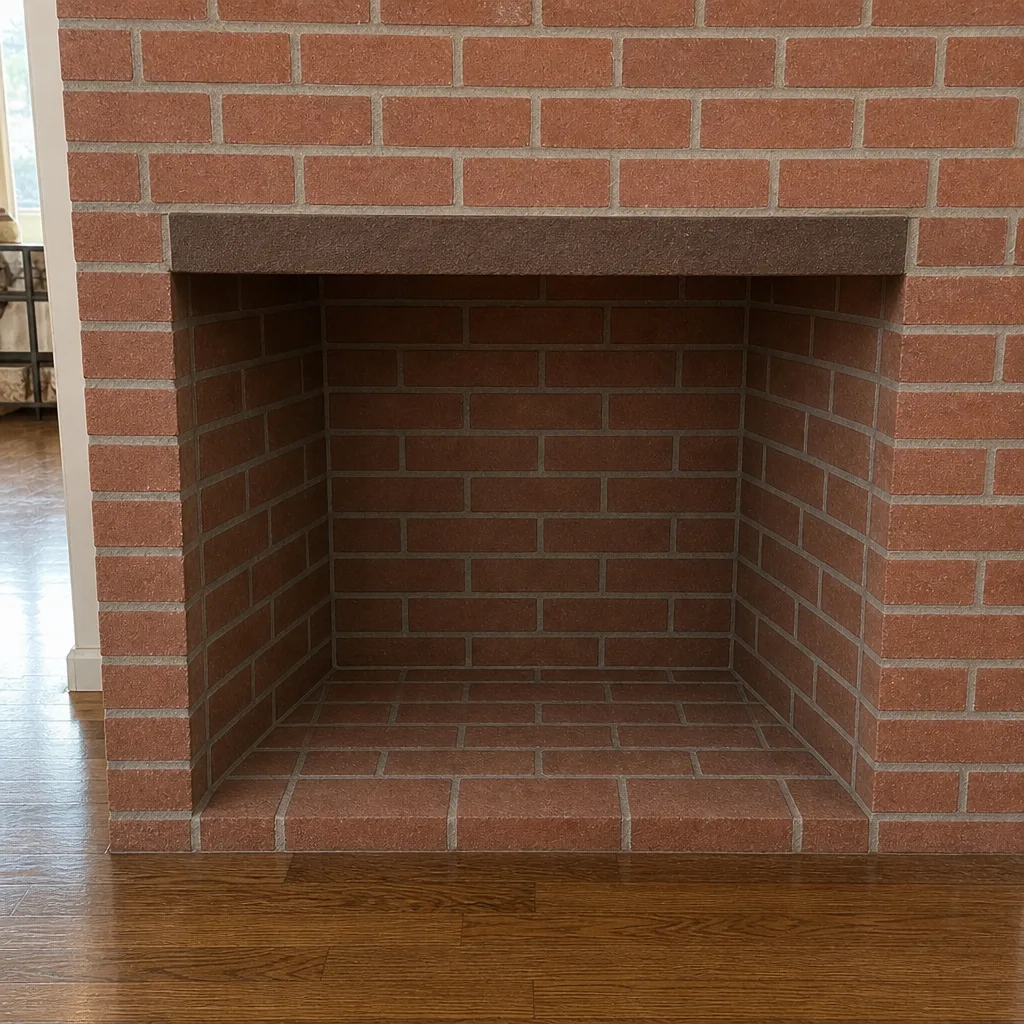
See the difference
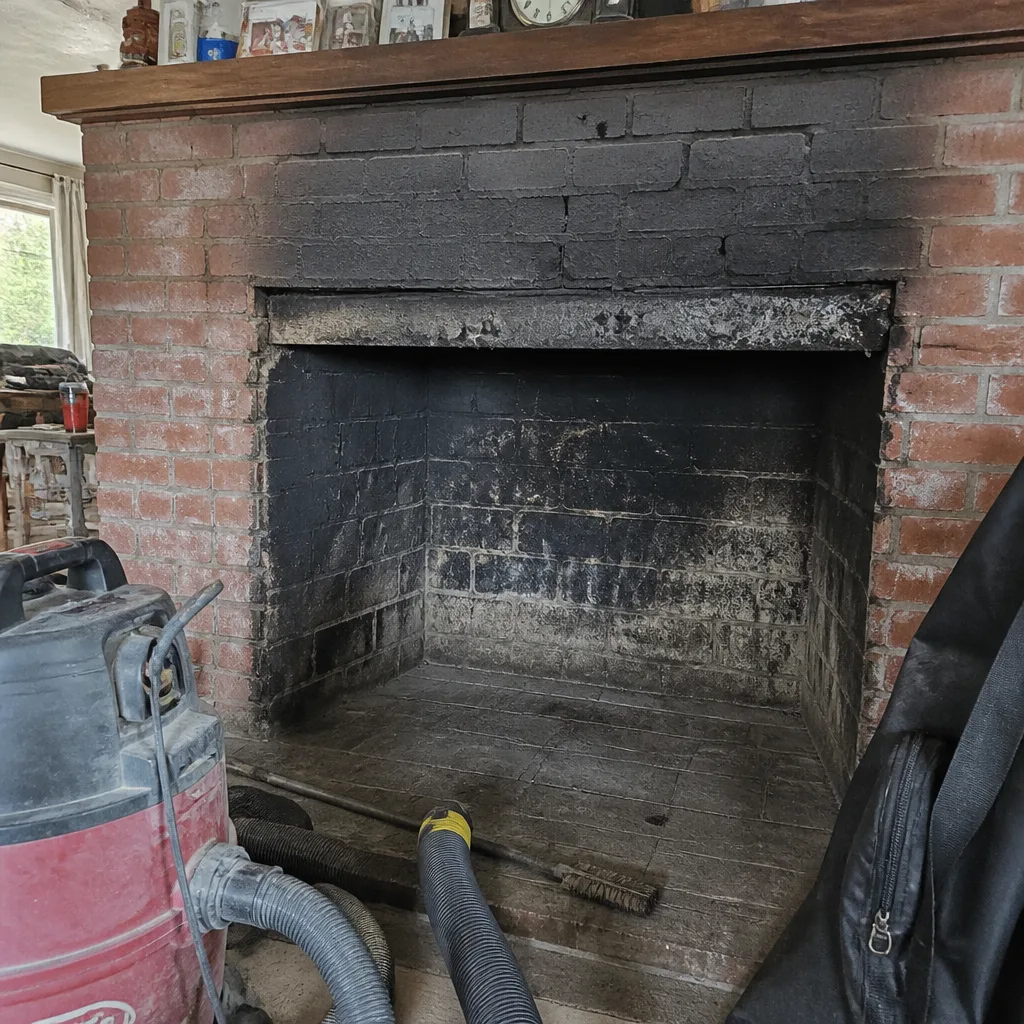 Before
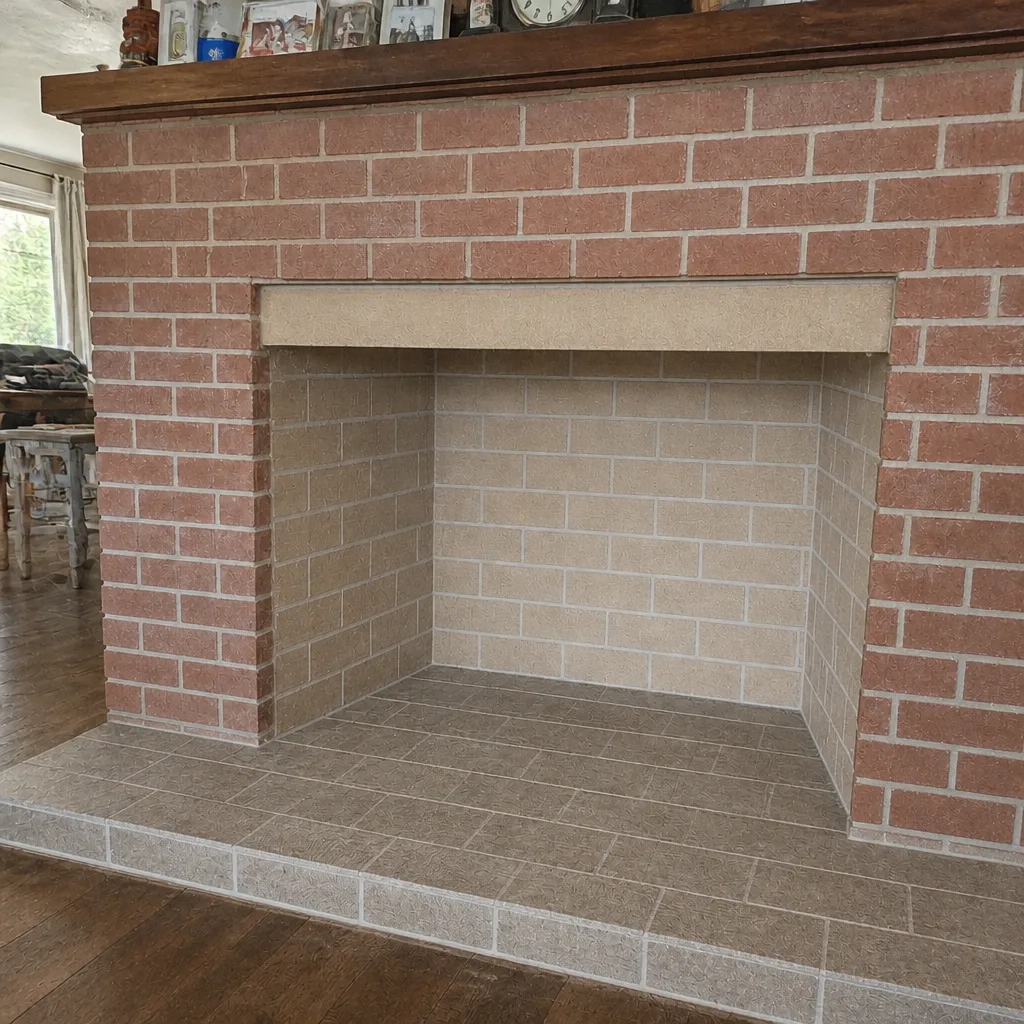 After
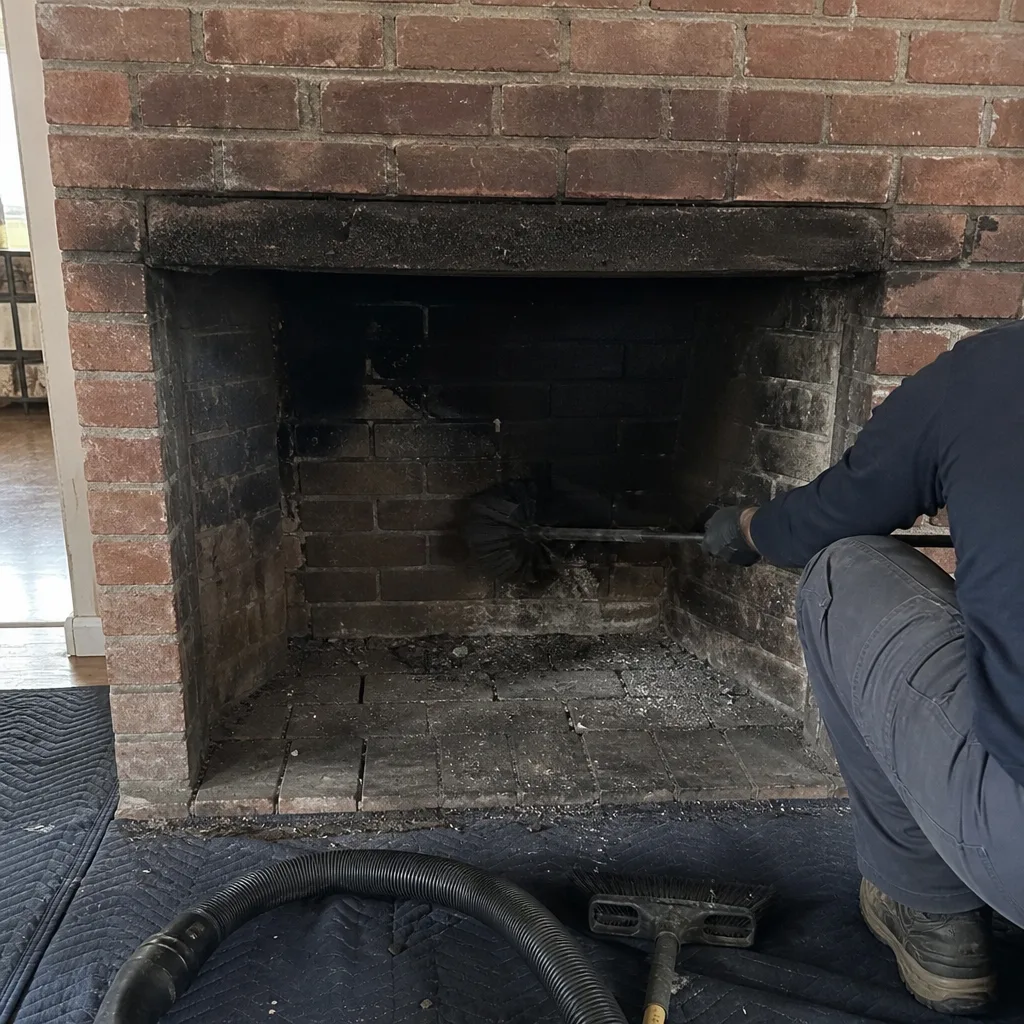 Before
 After
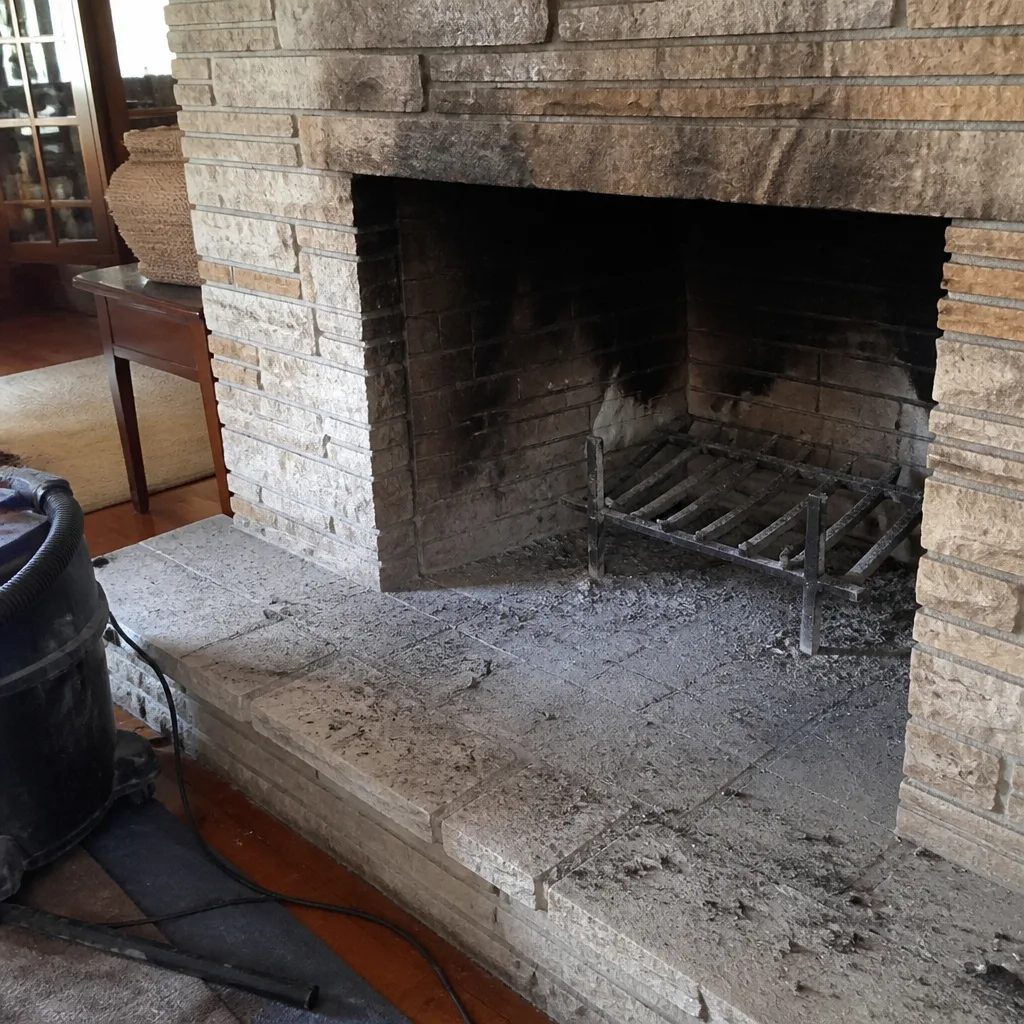 Before
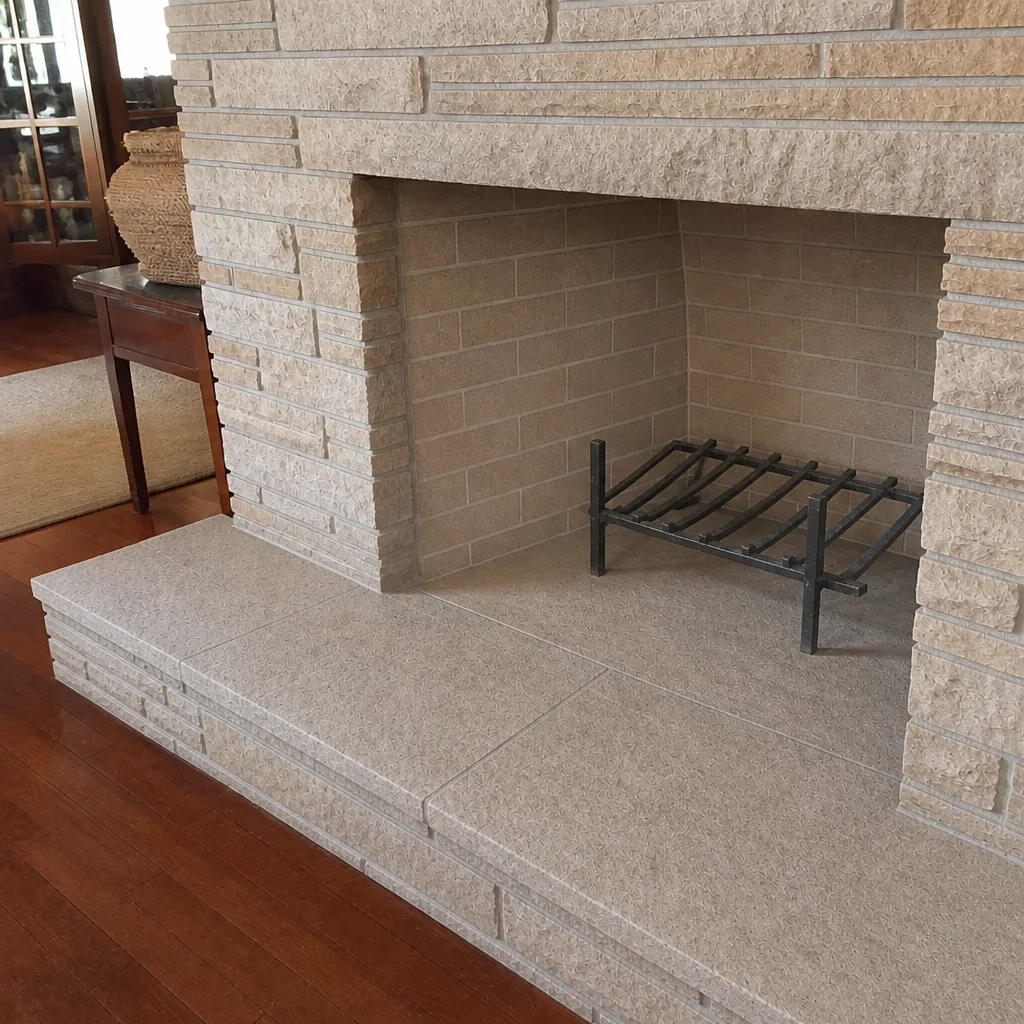 After
When to Call a Professional
Some seasonal checks are fine for a homeowner: a visual look at the crown after a hail storm, a walk through the house for ceiling stains, a sniff test in the firebox. But a handful of situations call for a professional, and quickly. Smoke coming back into the room, a strong creosote smell, staining that’s appeared on the chimney breast, rust on the damper, a cap that’s cracked or missing, or a fire that won’t draw. If your spring or fall inspection hasn’t happened in over a year, that’s a call too. A chimney sweep and inspection at the right point in the season catches the freeze-thaw, water, and blockage problems while they’re still cheap to fix, and a camera inspection with a photo report means you see what we see before any repair is recommended. Chimney Sweep Englewood offers free estimates in Englewood. Call (866) 431-6293. We answer 24/7. Fast dispatch from 7am to 7pm, Sunday through Friday.
Frequently Asked Questions
Most homes should have the chimney inspected once a year and swept when the sweep finds enough creosote to warrant it, and in Englewood the two best checkpoints are a spring inspection after the freeze-thaw season and a pre-burn sweep in late summer or early fall. A chimney that’s used heavily, or one that burns wet wood, may need a mid-season look too. Call (866) 431-6293 for an exact quote; estimates are free.
Because the freeze-thaw cycles Englewood gets in March and October are what crack mortar crowns and push water into flue tiles, so the damage shows up in spring. A spring inspection catches spalling, crown cracks, and snowmelt intrusion while the fix is small and the weather is turning right for repair work. Waiting until fall means a whole season of water working on the masonry first.
Book in summer if you can. The fall schedule fills fast once the first frost is in the forecast, and a summer sweep leaves time to complete any repair the inspection turns up before the first fire. Summer is also when masonry repairs and waterproofing can actually cure in dry weather. Call (866) 431-6293 for an exact quote; estimates are free.
Hail from May through August can crack a crown, dent a metal cap, or loosen the flashing where the chimney meets the roof, and none of that shows up inside the house. A visual check after a big hailstorm, and an inspection if anything looks damaged, keeps a hail-cracked crown from becoming a water intrusion problem at the next freeze.
Smoke coming back into the room, a strong creosote smell, brown or black staining on the chimney breast, rust on the damper, or a fire that won’t draw. These point to a blocked flue, water intrusion, or a draft problem, and all of them are worth a call rather than a wait. Stop burning if the fire won’t draft cleanly. Call (866) 431-6293 for an exact quote; estimates are free.
Often, yes. HeatShield ceramic resurfacing can restore a deteriorating flue without a full tear-out when the flue qualifies. Where it doesn’t, a DuraFlex flexible liner system handles the reline. The inspection is what tells you which route is right, and we’ll show you the camera evidence so you can see the condition for yourself.
The Bottom Line
Seasonal chimney care in Englewood is mostly about timing. Spring is when the freeze-thaw damage from March and October shows up, and it’s the cheapest time to catch it. Summer is when repairs and waterproofing can actually cure. Hail season from May through August adds a cap-and-crown check most guides skip. Fall is the pre-burn checkpoint before the first fire in late September. Winter is where burn practices decide how much creosote you’ll deal with. Get the two key checkpoints, a spring inspection and a pre-burn sweep, and the rest of the year takes care of itself. Everything we find is on camera, in a photo report, and nothing gets recommended that you can’t see for yourself. Call (866) 431-6293. We answer 24/7. Fast dispatch from 7am to 7pm, Sunday through Friday. Estimates are free, and the price is set per job by the written estimate.
Written by the team at Chimney Sweep Englewood.