
Last updated November 24, 2026
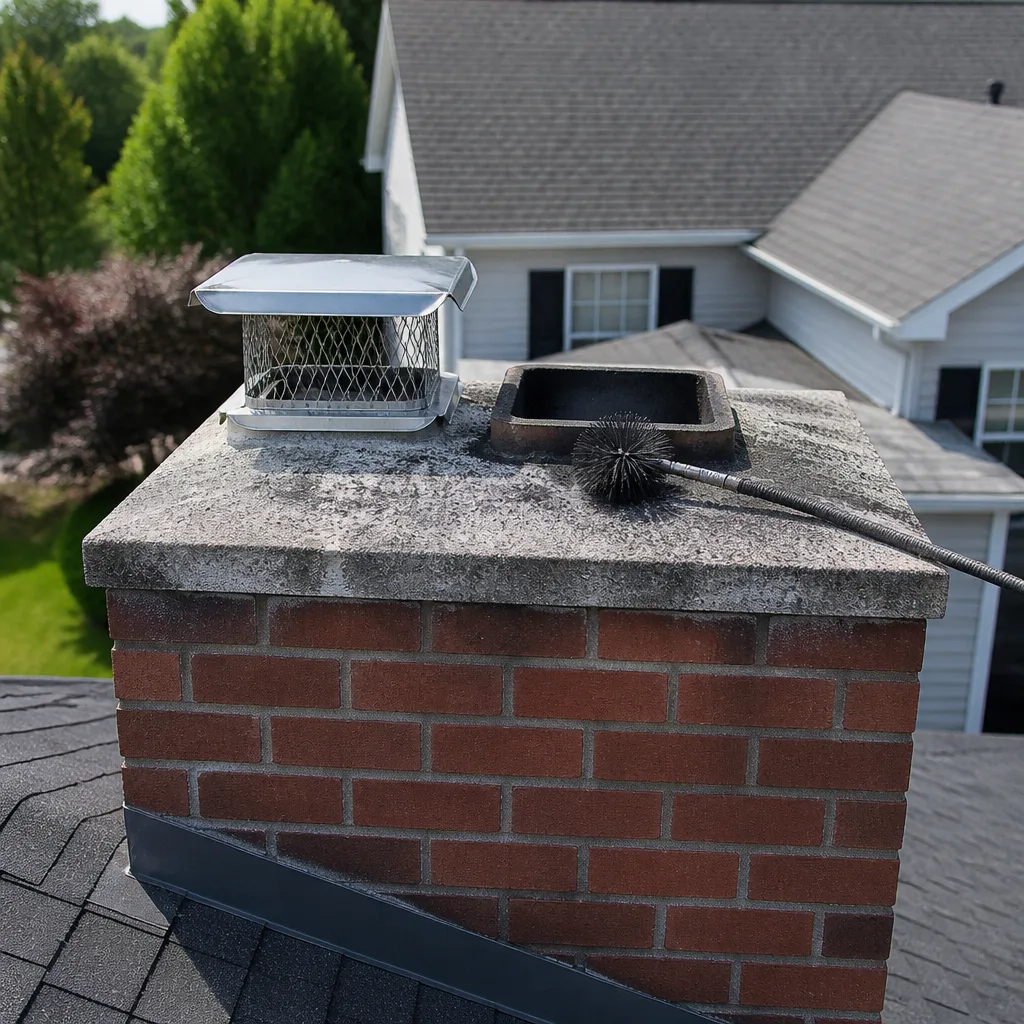 Sweep & inspection
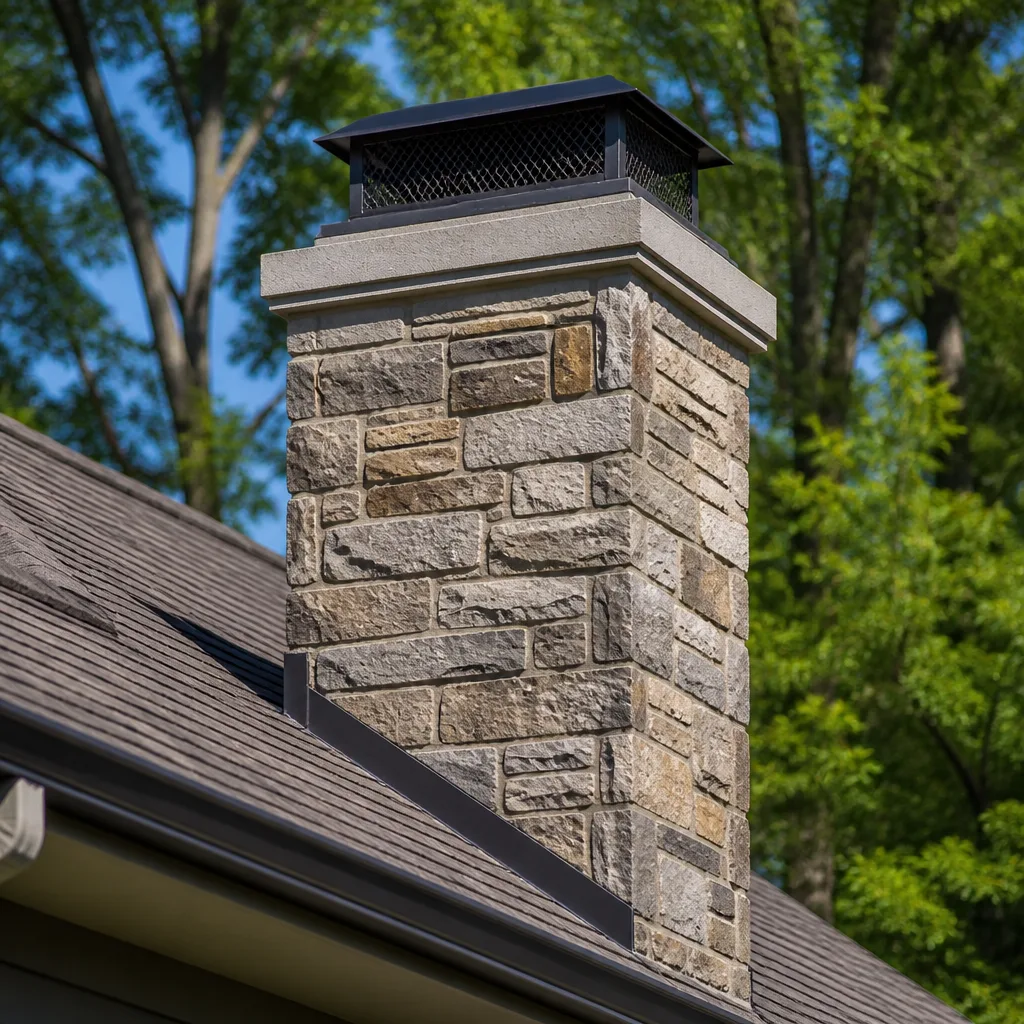 Caps & crowns
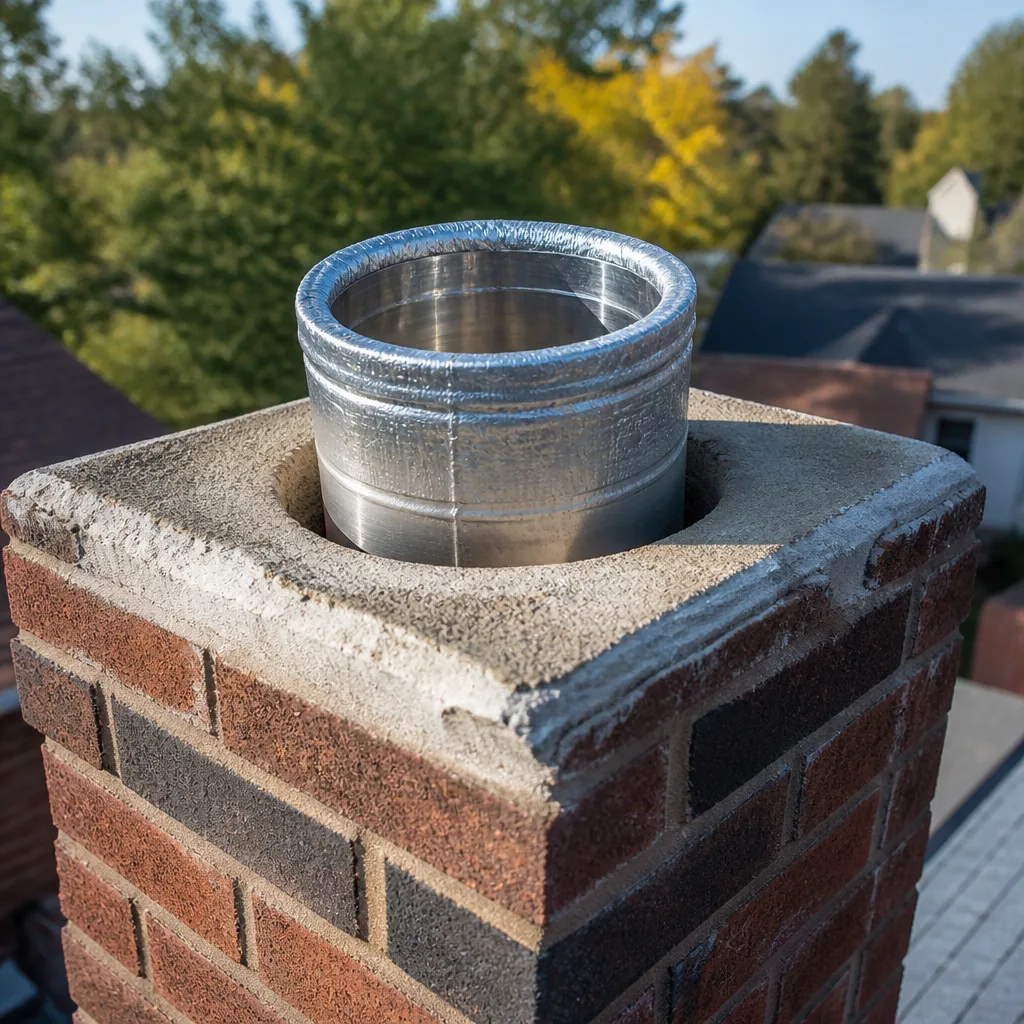 Flue relining
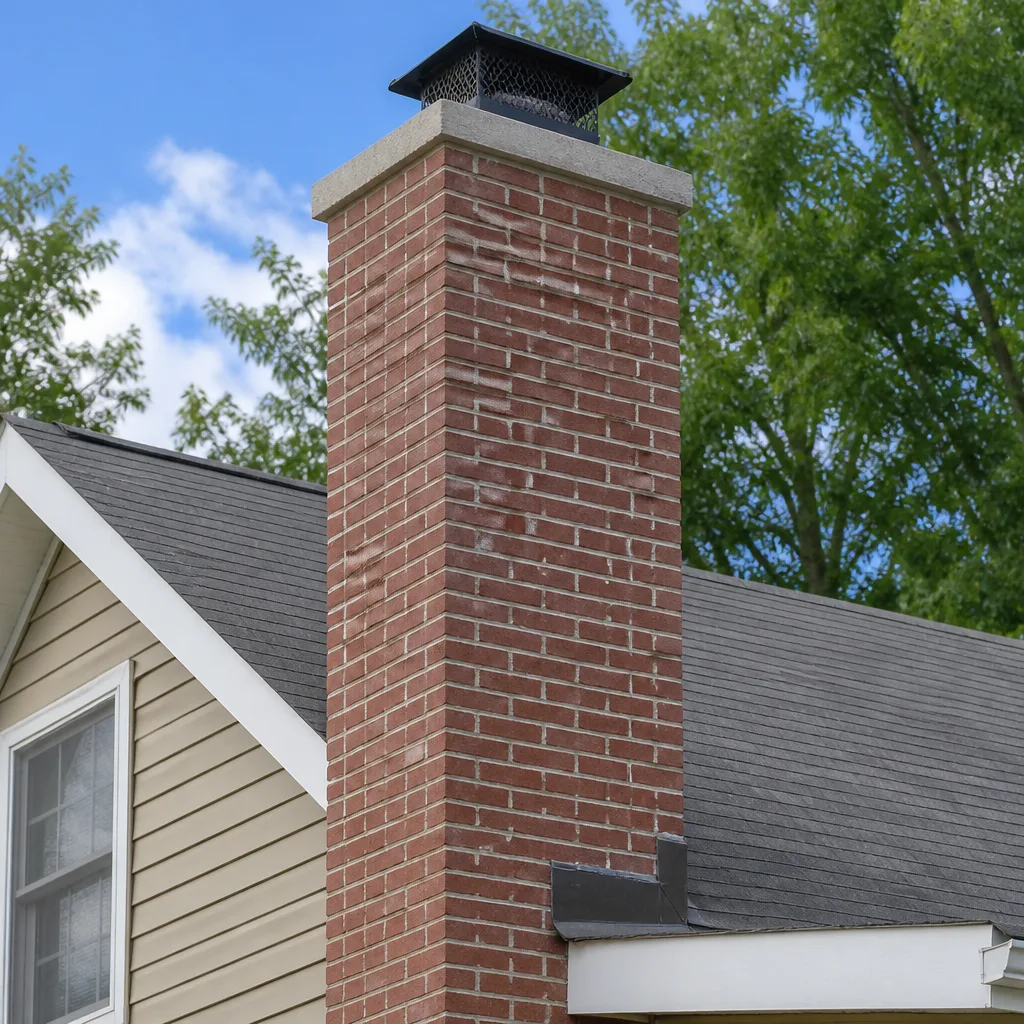 Masonry repair
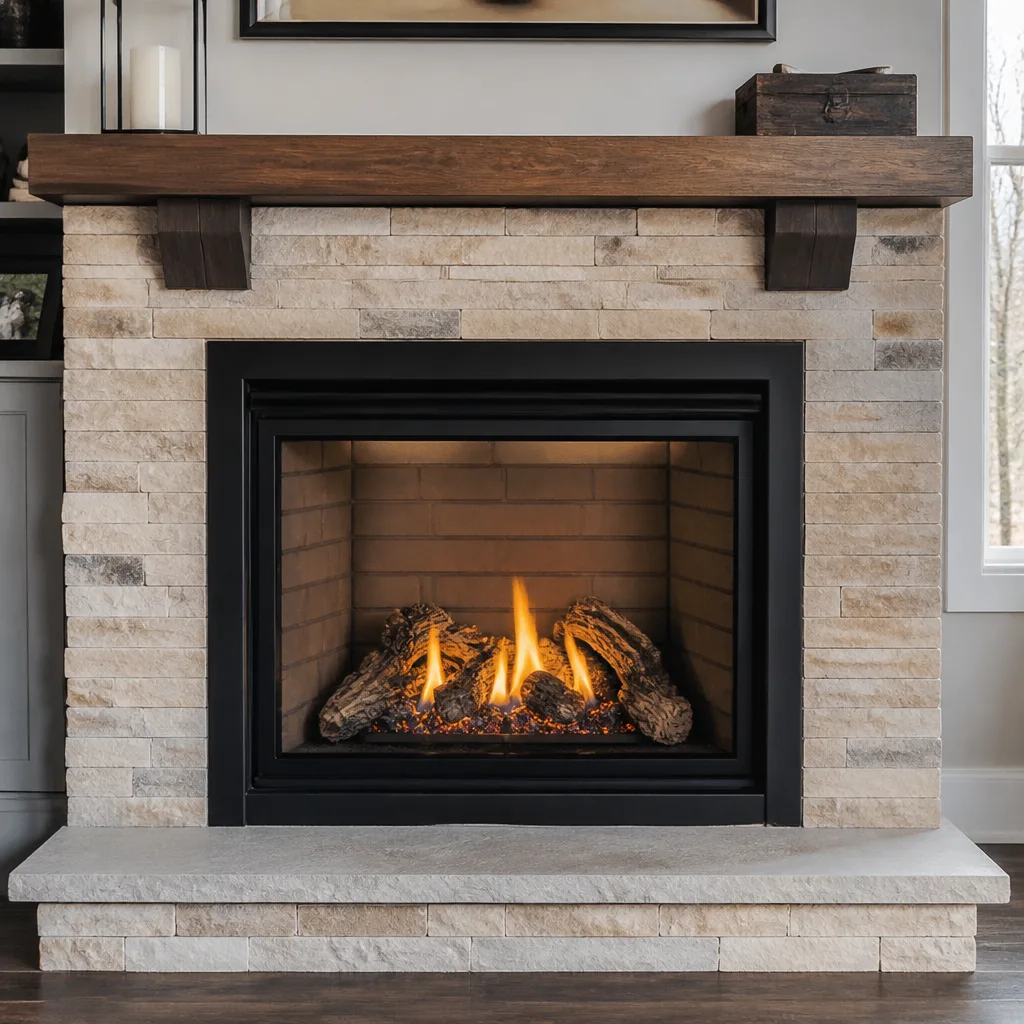 Gas fireplace service
Level 1 sweep and inspection to the NFPA 211 annual standard - flue, crown, cap, and flashing checked and photographed
Chimney sweep logs do not sweep chimneys. They loosen some creosote - which then falls where a brush and vacuum still have to collect it.
Chimney Cleaning Permits, Codes & Inspections in Englewood, CO: What You Need to Know
Most homeowners assume a chimney cleaning is the one home-service job that never touches a permit counter. Then the technician comes down off the roof, points a camera at the flue, and says the liner needs replacing or the smoke chamber needs resurfacing. That’s the moment the rules change in Englewood, and it’s the moment almost nobody explains clearly. Englewood has adopted the International Residential Code with Colorado amendments, which means a liner installation done without the right permit can surface as an open violation on a title search when you go to sell. This guide maps exactly where the cleaning-and-maintenance side ends and the permitted-repair side begins, what the city’s building division looks at versus the fire marshal, and what documentation to ask for before anyone touches your flue.
Quick Answer
Routine chimney sweeping in Englewood generally does not require a permit; it’s maintenance. Relining, smoke chamber repair, firebox rebuilding, and structural masonry or crown work usually do require a permit under Englewood’s adopted building codes, and the work must follow NFPA 211 standards whether or not a permit is pulled. A Level 2 inspection is required by code in specific circumstances: a property sale, a change of fuel type, after a chimney fire or other event, or whenever a liner is being replaced.
Styles & brands we work with
- Sweep & inspection
- Caps & crowns
- Flue relining
- Masonry repair
- Gas fireplace service
Table of Contents
- Where Does Cleaning End and Permitted Repair Begin in Englewood?
- How NFPA 211 Governs the Work Even Without a Permit
- What a Level 2 Inspection Actually Triggers
- Building Division vs. Fire Marshal: Who Enforces What
- Unpermitted Work, Resale, and Your Insurance
- What Documentation to Request From Your Contractor
- Why Englewood’s Climate and Housing Stock Matter
- How a Compliant Inspection and Sweep Actually Goes
Where Does Cleaning End and Permitted Repair Begin in Englewood?
Routine cleaning is a maintenance activity. Permitted repair is a construction activity. Drawing that line correctly is the whole game, and it’s where homeowners get into trouble without realizing it.
In our experience, the confusion starts because a sweep and a reline can happen in the same visit. A technician runs a brush and a vacuum through the flue, finds deteriorated clay tile or a cracked liner joint, and recommends a fix. Nothing wrong with that sequence. The problem is when the fix gets installed without the paperwork that Englewood requires for the work.
Work that typically falls under routine maintenance
- Brushing and vacuuming the flue to remove creosote and soot
- A Level 1 visual inspection of the readily accessible portions of the system
- Removing and re-seating an existing cap that has shifted out of position
- Cleaning the firebox and smoke shelf
- Clearing an obstruction such as a bird nest or leaf debris
Work that generally requires a permit in Englewood
- Installing a new flue liner or replacing an existing one, including flexible stainless relining
- Smoke chamber repair or resurfacing
- Firebox rebuilding or significant firebox repair
- Crown replacement and structural chimney masonry work
- Any change to the flue’s size, configuration, or venting path
One thing worth knowing: cap installation sits in a gray area. Swapping a damaged cap for a new one is often treated as a like-for-like maintenance item, but a cap that changes the venting characteristics of the system, or a crown rebuild that alters the chimney’s structure, is a different conversation. Ask the question before work starts, not after. Our Chimney Sweep Englewood page covers what the routine side of this looks like.
Straightforward answer: if the work changes the chimney’s structure, venting geometry, or flue lining, treat it as permitted work until the city tells you otherwise. Call the building division and ask. It’s a short conversation that saves months of headache.
How NFPA 211 Governs the Work Even Without a Permit
NFPA 211 is the Standard for Chimneys, Fireplaces, Vents, and Solid Fuel-Burning Appliances, and it applies to your chimney whether or not a permit was ever pulled. This is the part homeowners miss. A permit is a local administrative layer; NFPA 211 is the technical standard the trade works to regardless. So even a job that gets classified as routine maintenance still has to leave the system compliant with the standard, or the result is a chimney that a future inspector will flag.
What NFPA 211 covers that matters to you
- Required clearances between the chimney and combustible materials like framing and sheathing
- Flue sizing relative to the appliance connected to it
- Liner integrity and the requirement that flues be lined
- Chimney height above the roofline and the 3-2-10 rule for termination
- Requirements for chimney caps and spark arrestors
Here’s why this matters on a practical level: if a previous liner job used a product that wasn’t listed for the appliance it serves, or the clearances were reduced to make something fit, the system may function fine for years and then fail an inspection at resale. The fix is rarely cheap. We use DuraFlex flexible liner systems on relining work specifically because those systems are specified by certified chimney professionals and meet the listing requirements the standard depends on. Olympia Chimney components appear on our jobs for the same reason: they’re trade-supplied parts, not hardware-store substitutions.
In our experience, most chimney problems in Englewood that show up as “why did this pass before and fail now” trace back to work that ignored the standard. The permit is the paper trail. NFPA 211 is the substance.
What a Level 2 Inspection Actually Triggers
A Level 2 inspection is a more thorough evaluation than the Level 1 visual check that comes with a routine sweep. It includes inspection of accessible areas of the chimney’s interior, the attic and crawl space, and any accessible portions of the appliance connection, typically using a camera. The question is when code actually requires it versus when it’s just a good idea.
When a Level 2 inspection is required by code
- Upon sale or transfer of the property
- After a chimney fire or other event that may have caused damage
- When the appliance or fuel type is being changed
- When a flue liner is being replaced or a new one installed
- When an external event such as a seismic shift or a nearby fire has the potential to affect the chimney
When it’s recommended but not required
- You’ve moved into a home and don’t know the chimney’s history
- The chimney hasn’t been inspected in a long stretch and the appliance is heavily used
- You’re noticing performance issues: smoke rollback, weak draft, an odor you can’t place
- Signs of water intrusion around the crown or cap
The resale trigger catches people off guard. If you’re selling a home in Englewood with a wood-burning fireplace, a Level 2 inspection is part of the standard the buyer’s inspector and the code will expect, and the report is what backs it up. It’s also the moment when an unpermitted liner from years past tends to surface. Our chimney sweep service includes the camera work that produces that report, and we walk you through what the camera found rather than handing over a page of codes.
Building Division vs. Fire Marshal: Who Enforces What
Two different city bodies touch chimney work in Englewood, and they don’t do the same job. Understanding the split helps you know who to call and what to expect.
The Building Division
The city of Englewood’s Building Division handles permits and inspections for construction work on the structure. That includes the installation of a new liner, structural chimney repair, rebuilds, and anything that alters the chimney’s construction. They issue the permit, they inspect the work, and they close the file. If you’re unsure whether your job needs a permit, this is the office to call.
The Fire Marshal
The fire marshal’s office is focused on fire and life safety: clearances, the condition of the flue and venting system as it relates to fire risk, and code enforcement for unsafe conditions. They aren’t running liner permits, but they are the authority that can require corrective action when a chimney is a genuine hazard.
What this means for a homeowner
- Permit questions go to the Building Division
- Fire-safety and unsafe-condition questions go to the fire marshal
- Neither one is going to inspect your chimney for creosote or tell you when to sweep; that’s the trade’s job
- Both can create a record that affects a future sale if the work on file doesn’t match the work done
This is why we say a sweep is the first step and an inspection tells you what the sweep can’t. The city can confirm whether a permit was pulled. Only an inspection tells you whether the flue is actually sound.
Unpermitted Work, Resale, and Your Insurance
Here’s where the permit question stops being abstract. Unpermitted liner or firebox work can create a real problem at resale and can complicate an insurance claim if there’s ever a chimney-related loss. We’re not going to exaggerate that. The point is simpler: the paperwork matters, and it’s much easier to gather before a sale than during one.
What tends to happen at resale
A buyer’s inspector notes the chimney, a Level 2 inspection gets requested, and the camera reveals that the liner was replaced but no permit exists. That shows up in a title search or in the inspection report, and suddenly the seller is explaining work they may not have commissioned. The buyer’s lender or insurer may ask for documentation that doesn’t exist. The corrective path is usually a retroactive inspection and, in some cases, redoing the work to current standards.
What insurance companies tend to ask for
- Documentation that the work was done by a qualified professional
- Permit records where a permit was required
- Receipts or job documentation showing the materials used
- A recent inspection report confirming the system’s condition
None of that is unreasonable to ask for. The problem is not having it. Whenever you have work done on your chimney in Englewood, keep the documentation in the same folder as your other home records. If a contractor can’t tell you whether a permit is required for the job, that’s your signal to get a second opinion. When you need chimney repair, ask the question directly and expect a clear answer.
What Documentation to Request From Your Contractor
The simplest protection is knowing what to ask for before anyone starts work. Here’s a short list we’d give any homeowner, whether they hire us or not.
- Ask specifically whether the job requires a permit under Englewood’s adopted codes and get the answer in writing.
- Request the inspection report from the assessment, including camera footage or photos if a Level 2 inspection was done.
- Ask for the manufacturer and product name of any liner, cap, or resurfacing material being installed.
- Confirm that the contractor is licensed and insured as their state requires, and ask for proof if you need it for a lender.
- Keep the written estimate and final invoice together; the estimate should set the final price.
- If any repair work was done, ask for the permit number so you can look it up.
We use HeatShield ceramic flue resurfacing on qualifying liners, and that’s a good example of why the product question matters. HeatShield can restore a deteriorated flue without a full tear-out in the right circumstances, and most basic sweep services don’t offer it. Knowing which product went in helps the next inspector and helps you at resale. For cap and crown work, we install Famco and Copperfield caps and covers sourced from dedicated chimney supply lines. When we recommend fireplace repair, the same documentation standard applies.
Why Englewood’s Climate and Housing Stock Matter
Englewood’s weather does a specific kind of damage to chimneys, and it’s worth understanding because it affects both how often you should inspect and what an inspector is looking for.
Freeze-thaw cycles
The front range swings above and below freezing repeatedly through the winter. Water gets into hairline cracks in the crown or the masonry, freezes, expands, and widens the crack. Over a few seasons that turns a cosmetic issue into a crown failure. That’s why we look closely at the crown on every inspection and why cap and crown work sits in the same conversation as cleaning.
Dry, windy conditions and creosote
Wood fires burn hot and fast in this climate, and creosote accumulates in the flue regardless of how good your wood is. The buildup is what makes sweeping a recurring maintenance item rather than a one-time fix. It also means a closed, unused fireplace can still have debris and moisture problems from the top down.
Housing stock
Englewood has a wide range of housing ages, from older homes with original clay tile liners to newer construction with prefabricated systems. Older masonry chimneys are more likely to have deteriorated tile, missing mortar joints, or a crown that’s past its service life. Newer prefab systems have their own considerations around the factory liner. Neither is a crisis; both need to be looked at before you assume the chimney is fine. When you need cap and crown installation in Englewood, it’s usually because water has been finding a way in for a while.
How a Compliant Inspection and Sweep Actually Goes
This is what a job looks like when it’s done to standard. We’re describing the process generally, not a specific visit. Our technicians have up to 13 years of experience, and the sequence is consistent.
- The scope conversation. Before anything starts, we establish what the job involves and whether any part of it crosses into permitted work. You should get a flat-price sweep agreed before booking, so there’s no surprise later.
- Sweep and vacuum. The flue gets brushed and the debris is contained. This is the routine maintenance side.
- Camera inspection. A camera run through the flue shows the condition of the liner, the joints, and the smoke chamber. The photo report is included, and you should see it before anything is recommended.
- Assessment of the cap and crown. These get checked for cracks, gaps, and water intrusion. Caps and crowns are one of the most common sources of chimney problems, and they’re often the root cause behind issues that look like flue problems.
- Written findings. We tell you plainly what needs fixing now, what can safely wait, and what isn’t a problem at all. Nothing gets recommended without camera evidence you can see yourself.
- Permitted work, if any. If relining, smoke chamber resurfacing, or structural repair is needed, we identify whether a permit is required and handle the job to NFPA 211 with the documentation in hand.
Our full scope means there’s no handoff to a second contractor for the repair, cap, or crown side. Inspection, cleaning, repair, and cap work happen through one call. That matters for permits because the paperwork trail stays with one company instead of getting split between a sweep and a general contractor who each think the other pulled the permit.
Common Mistakes to Avoid
- Assuming a sweep requires no permit and a reline does, without asking. The line is usually where you think it is, but Englewood’s Building Division is the authority. A two-minute phone call settles it.
- Skipping a Level 2 inspection before listing a home. The resale trigger is written into the code, and buyers’ inspectors know it. Getting the inspection done on your schedule is far easier than getting it done during a transaction.
- Accepting a liner replacement without a camera report. If you never see the footage, you have no way to verify that the liner actually needed replacing. Anything recommended without evidence you can see is worth a second opinion.
- Not keeping product documentation. Knowing whether DuraFlex or HeatShield went in, and when, matters at resale and to your insurer. Keep the paperwork with your home records.
- Treating a cracked crown as cosmetic. In Englewood’s freeze-thaw swings, a hairline crack in the crown gets worse every winter. It’s one of the cheapest things to fix early and one of the more expensive to fix late.
- Assuming the fire marshal and the Building Division handle the same things. Permit questions go to the Building Division; fire-safety and unsafe-condition enforcement go to the fire marshal. Asking the wrong office wastes time.
- Letting a generalist treat the chimney as a side job. A handyman or furnace company may offer cleaning, but permitted repair work and the documentation around it require a chimney specialist who works with trade-grade materials and knows the standard.
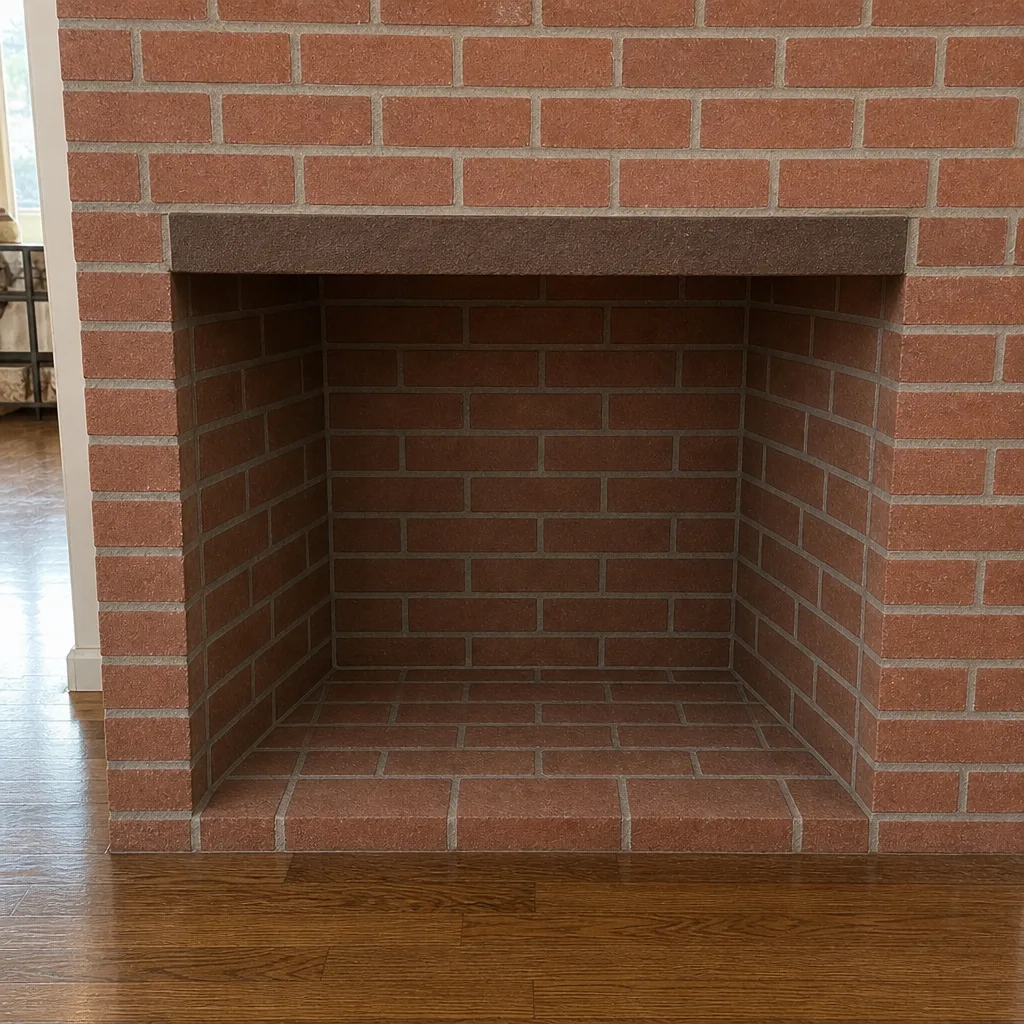
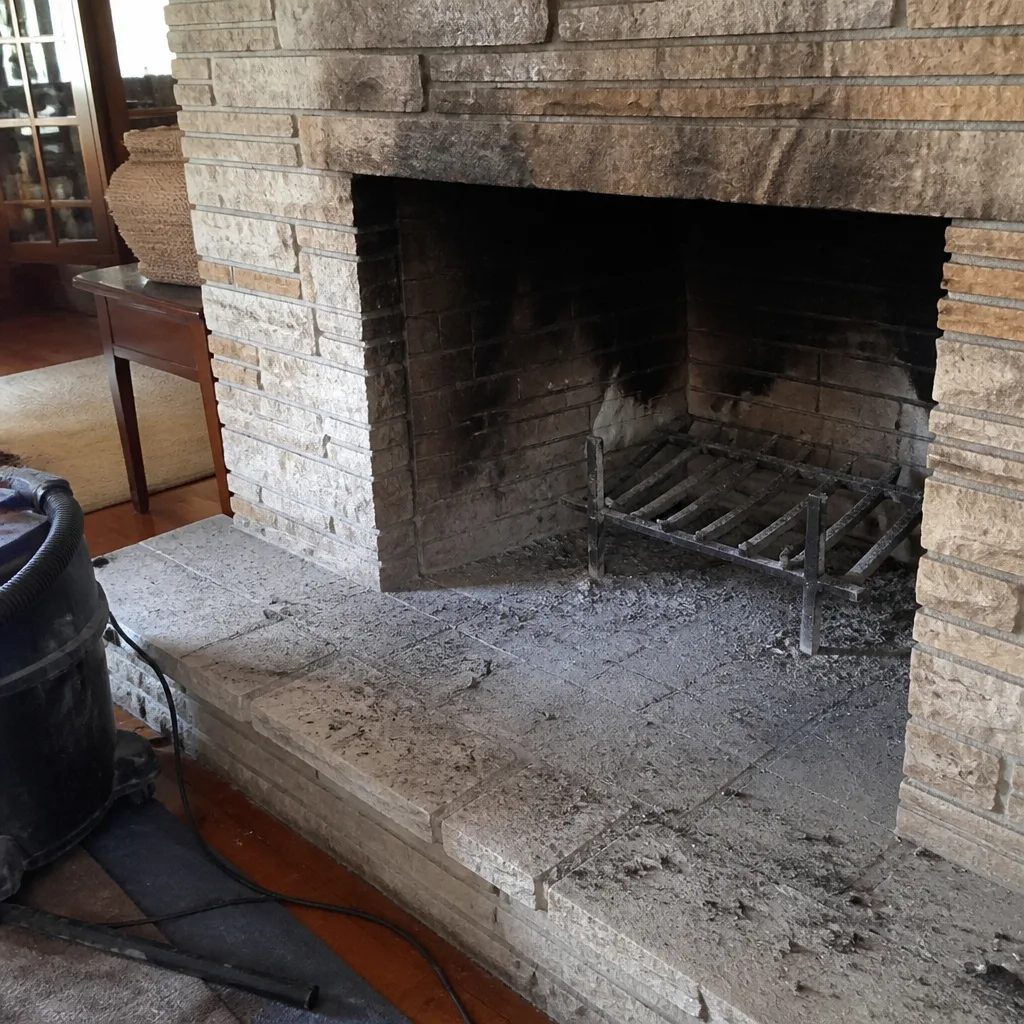
See the difference
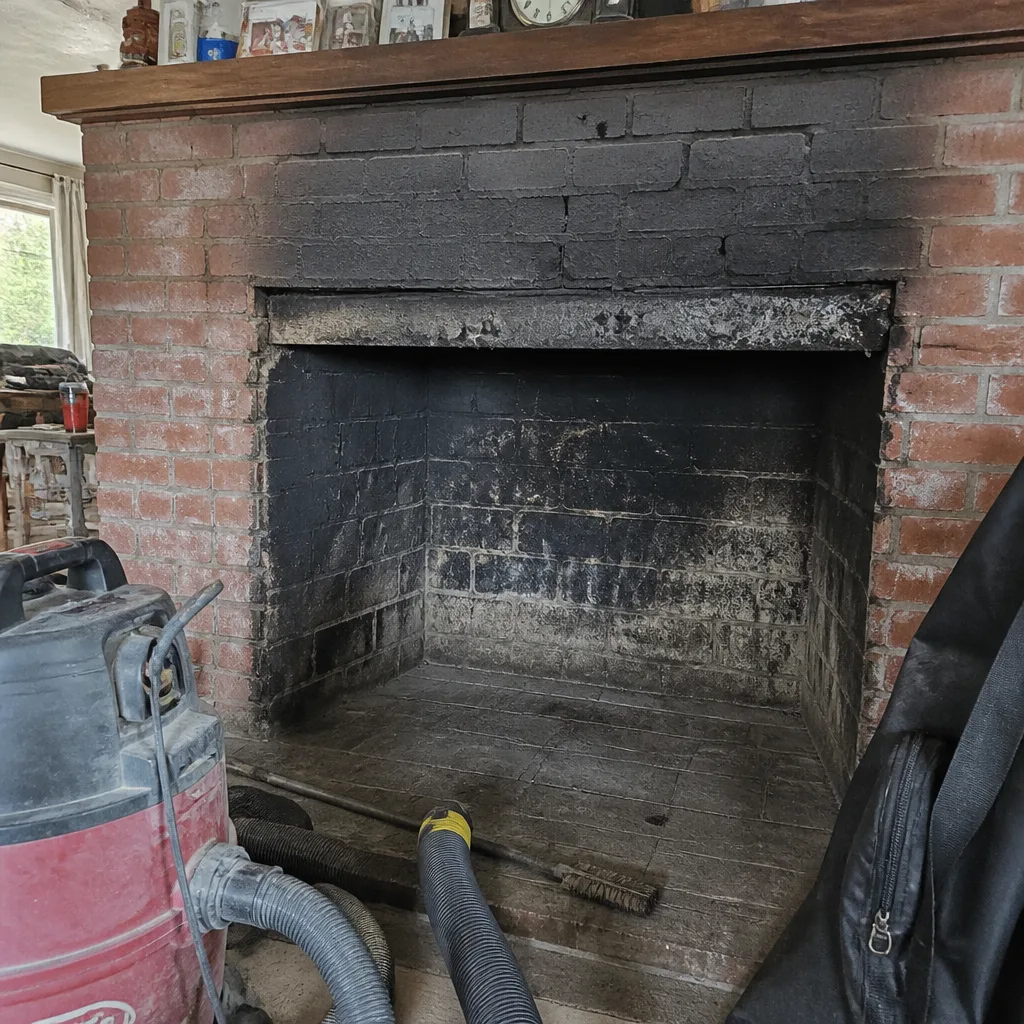 Before
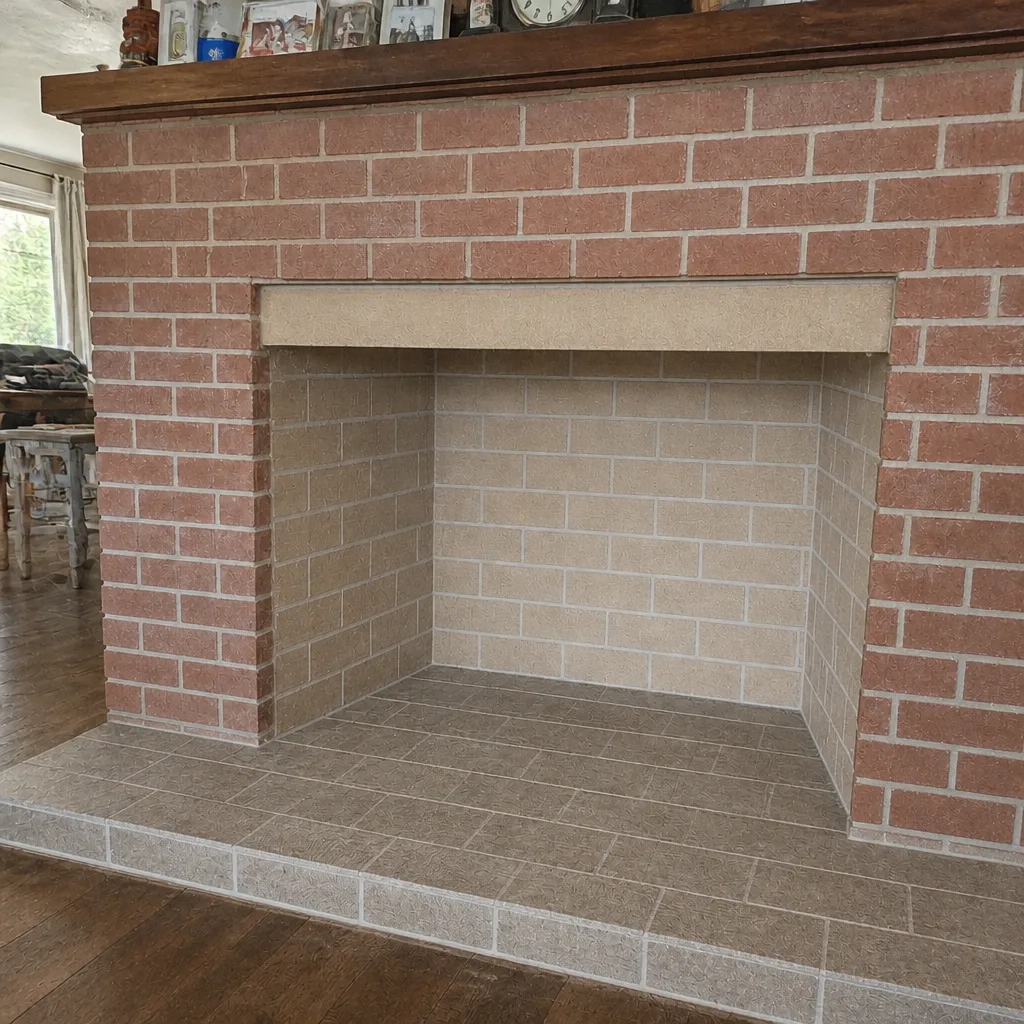 After
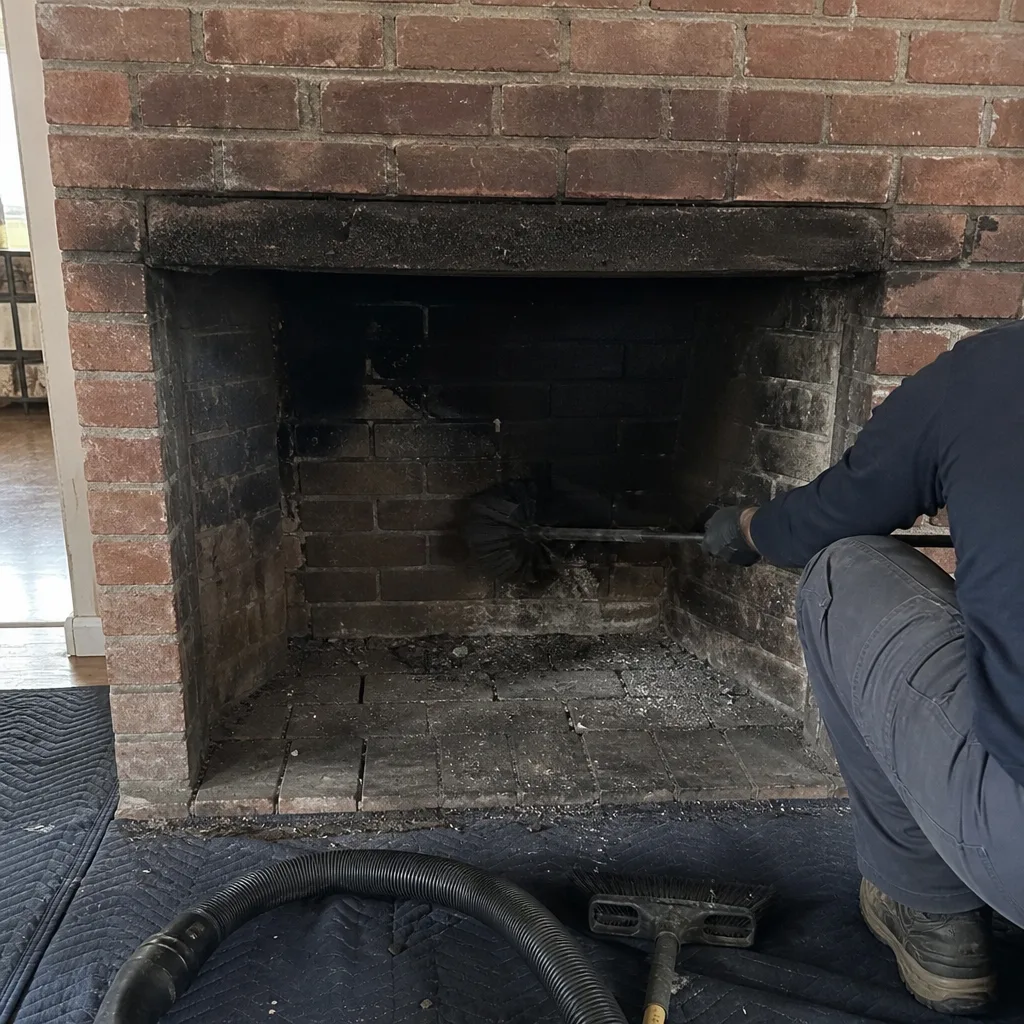 Before
 After
 Before
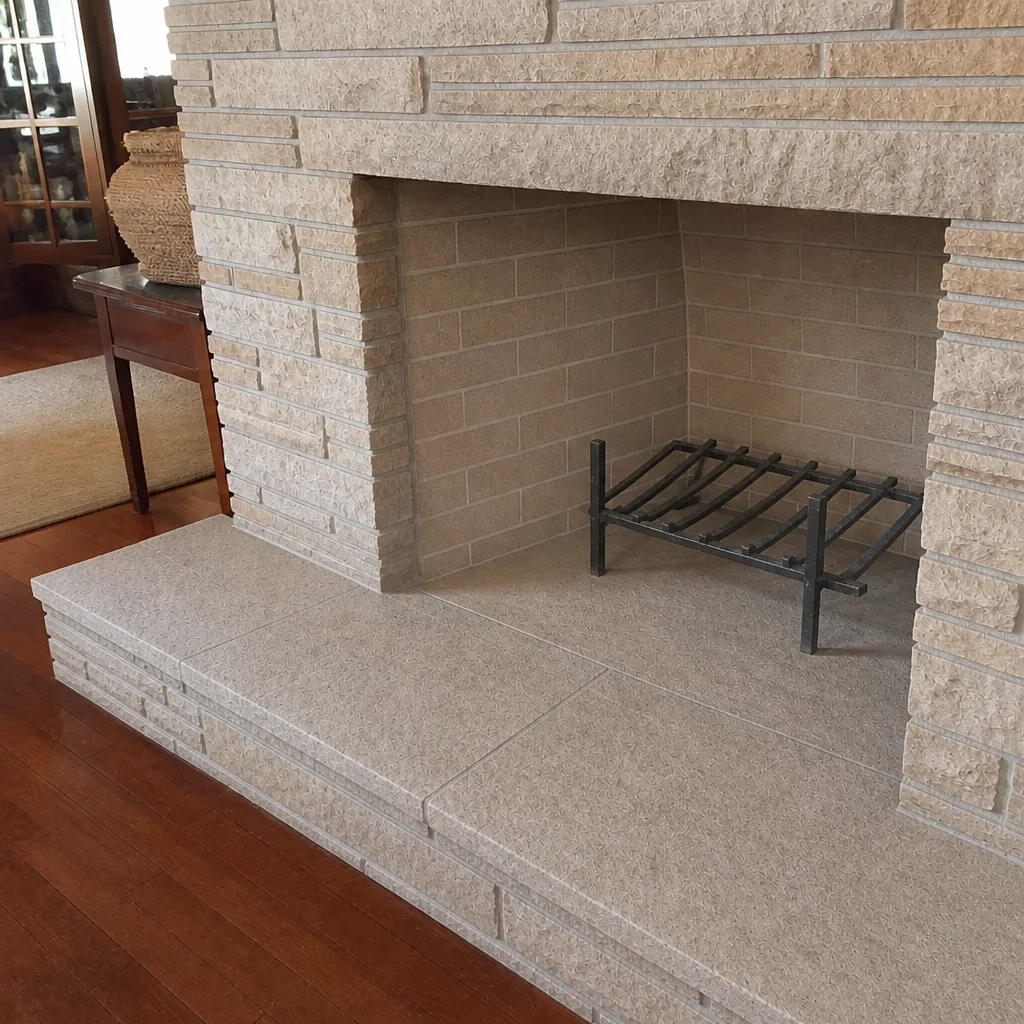 After
When to Call a Professional
Call when the work involves anything beyond a routine sweep: liner replacement, smoke chamber repair, firebox work, crown replacement, or structural repair. Call when you’re selling a home and need a Level 2 inspection report. Call when you’re noticing smoke rollback, weak draft, water stains near the chimney, or an odor you can’t identify. Call before you buy a home with a wood-burning fireplace and unknown chimney history. And call if a contractor has recommended thousands of dollars of liner or masonry work without showing you camera footage. That last one is the reason we include a camera inspection and photo report with a sweep: nothing gets recommended without evidence you can see. Chimney Sweep Englewood offers free estimates in Englewood. Call (866) 431-6293. We answer 24/7. Fast dispatch from 7am to 7pm, Sunday through Friday.
Frequently Asked Questions
No. Routine chimney cleaning is maintenance and doesn’t require a permit in Englewood. The permit question comes up when the work shifts into relining, smoke chamber repair, firebox rebuilding, or structural masonry and crown work. Call (866) 431-6293 for an exact quote on your situation; estimates are free.
You need a new liner when the existing flue lining is deteriorated, cracked, or not listed for the appliance it serves, and a liner installation generally requires a permit under Englewood’s adopted codes. Don’t take the recommendation on faith. Ask for the camera report and see the condition of the flue yourself before committing. When you’re ready to talk through options, call (866) 431-6293 for a free estimate.
The general standard is once a year for a chimney in regular use, and more often if you burn heavily or notice creosote buildup. Annual sweeping paired with an inspection catches small problems before they become permitted repair work. Call (866) 431-6293 to book a sweep and an inspection together.
A Level 2 inspection is required upon sale or transfer of a property, after a chimney fire or other event that may have caused damage, when the appliance or fuel type changes, and when a liner is being replaced. It’s also strongly recommended for any home with an unknown chimney history. Call (866) 431-6293 for a free estimate on a Level 2 inspection.
You can keep sweeping for years and still miss a cracked liner, a failed crown, or reduced clearances, because a sweep cleans the flue but doesn’t evaluate its structure. Those issues tend to surface at the worst moment: a resale inspection or an insurance claim. Call (866) 431-6293 to schedule a camera inspection with your sweep; estimates are free.
Call the city of Englewood’s Building Division for permit questions on liner installation, structural repair, or rebuilds. The fire marshal’s office handles fire-safety and unsafe-condition enforcement, not liner permits. If you’d rather have the scope nailed down first, call (866) 431-6293 and we’ll walk through what your job involves.
The Bottom Line
Cleaning is maintenance and rarely needs a permit. Relining, smoke chamber repair, firebox work, and structural crown and masonry repairs generally do, under Englewood’s adopted codes. NFPA 211 governs the technical standard whether or not a permit was pulled. A Level 2 inspection is required at resale, after a chimney event, on a fuel change, and when a liner is replaced. The Building Division handles permits; the fire marshal handles fire-safety enforcement. Keep your documentation, ask for the camera report, and get the permit question answered before work begins rather than during a title search. That’s the whole of it, and it’s a much easier path than fixing it later.
Call (866) 431-6293 to book an inspection or a sweep. We answer 24/7. Fast dispatch from 7am to 7pm, Sunday through Friday.
Written by the team at Chimney Sweep Englewood.